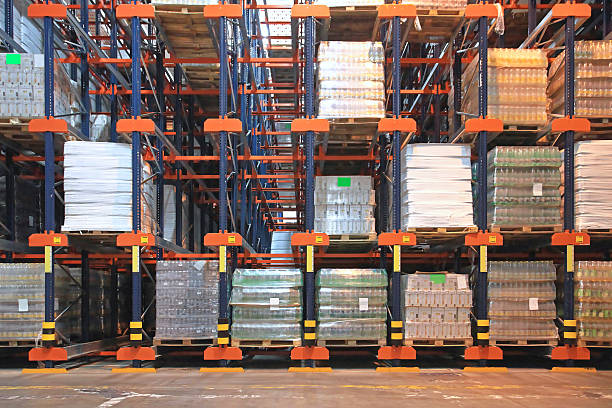
Along with the growth of e-commerce, today’s warehousing market faces a lot of challenges, including rising real estate costs, higher demand for storage efficiency, and supply chain complexity. As such, the industry relies heavily on pallet racking systems to maintain optimal inventory organization while streamlining warehouse operations.
However, buying your next set of pallet racks involves more than just placing an order with a manufacturer. The process requires a comprehensive analysis of several factors, including storage requirements, warehouse layout, forklift operations, and potential plans for warehouse and business expansion.
This article will help those in charge of asset sourcing understand different types of pallet racking systems and things to consider before making the purchase. We will also discuss how to choose reliable suppliers who you can rely on for top-notch pallet racks.
What Is a Pallet Racking System?
We begin the deep dive by looking at what a pallet racking system is, along with its intended function and basic structure.
Source: iStock
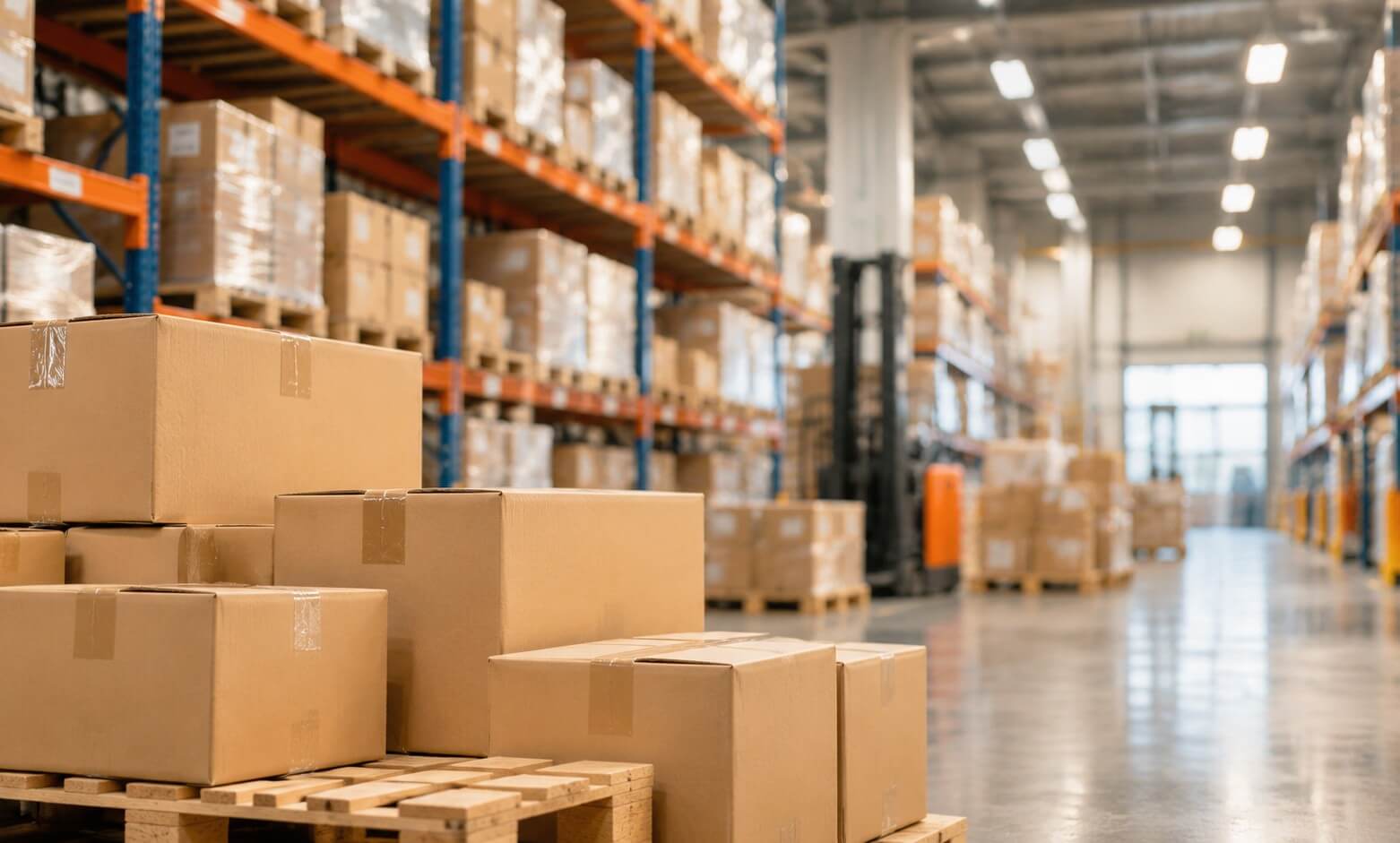
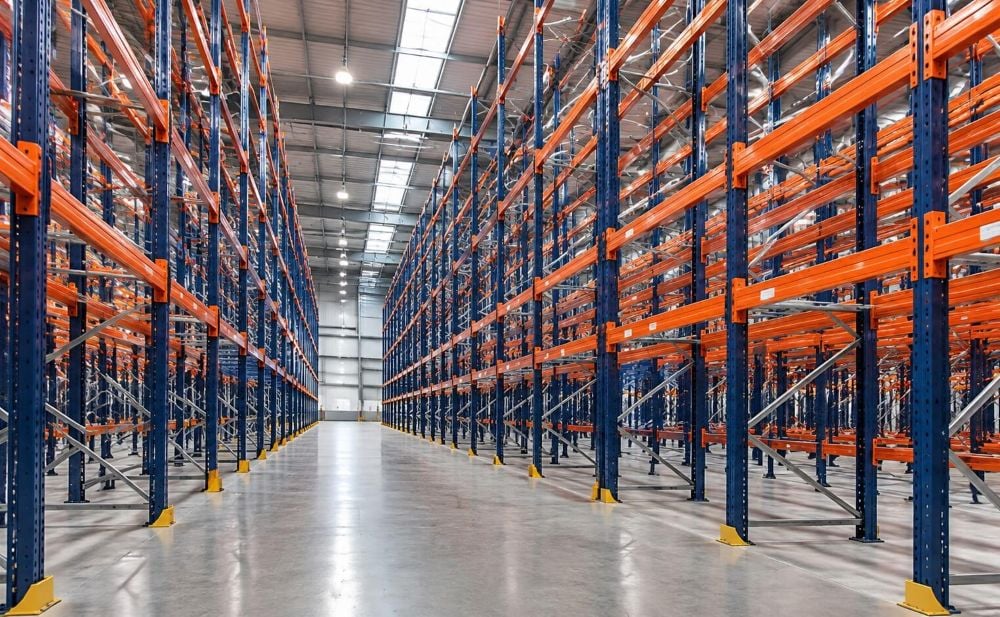
Pallet racking systems, also called pallet racks, are used to maximize the warehouse’s storage space by providing vertical and horizontal storage options. Every setup is made with a combination of upright steel frames, which provide structure to the pallet rack, and layers of horizontal beams where product can be placed.
How Does a Pallet Racking System Work?
While different setups may have unique features, most pallet racks share a standard operating process for storing goods within the facility. In a nutshell, pallet racking systems utilize the warehouse’s vertical space to increase storage capacity and streamline inventory flow.
The upright frames provide the rack’s vertical support, while pallets are stored on the horizontal beams. Each pallet rack usually has several horizontal beams, providing layers of storage space where product can be stored. These goods are then placed and retrieved from the pallet racks using forklifts that move through the aisles, facilitating the flow within the facility.
Main Components of a Pallet Racking System
Every pallet racking system features a basic set of components that determine the setup’s overall capabilities. The combination of these components influences not only the pallet rack’s total weight capacity but also improves its durability. Some components of pallet racking systems also act as safety features that keep the setup and pallets stable.
- Upright frames – vertical metal columns designed to carry the overall weight of the structure. They typically have several holes or slots where the beams are placed.
- Beams – also called load beams or cross beams, these horizontal beams are made from high-quality steel and placed in between two frames to form the shelves. Pallets are then loaded onto the beams, where two parallel beams form a single shelf level.
- Base plates – welded to the bottom of upright frames, these steel plates help distribute the weight evenly on the warehouse floor. Size may vary depending on several factors, including intended weight load and floor stability.
- Safety pins – also referred to as beam locks, these are pins or clips that lock the load beams into place. This prevents forklifts from dislodging the beams while loading or unloading pallets.
- Pallet supports – situated between the front and rear beams, these metal bars act as additional safety tools to hold the pallet in place without falling or sagging.
- Wire decking – made from welded panels of wire mesh, these are placed in between the beams to prevent pallets from falling through the gaps.
- Rack protectors – placed at the bottom of upright beams, these act as shields or guards that absorb the impact when forklifts collide with the pallet racks.
Different Types of Pallet Racking Systems
This section will focus on enumerating the various types of pallet racking systems that can be purchased for warehouses. Each offers a set of advantages and works best on specific applications, with features that set them apart from the rest.
Selective Pallet Racking
Considered the most common racking system seen in warehouses, the selective pallet racking setup has the basics of pallet racks in one package. Simple yet reliable, this type of pallet racking solution provides easy access to inventory and can be fully customized to match warehouse requirements.
Key advantages:
- 100% pallet selectivity – products are always within reach of forklifts and manual pickers, making the selection process fast and easy.
- Flexible configuration – the simple setup of this pallet racking system lends itself well to modification based on market or industry demands.
- Easy inventory management – pallets can be moved and arranged quickly, ensuring timely distribution and shipment of products.
Typical applications:
- Wide range of SKUs – the straightforward design of this pallet racking setup allows the storage and management of multiple SKUs at once.
- High accessibility requirements – this setup works best for facilities that handle quick order fulfillment and manage multiple product picking.
- General warehouses – since selective pallet racks are simple and easy to use, they are used as the standard storage solution for various warehouses.
Drive-In and Drive-Through Pallet Racking
When it comes to maximizing the warehouse’s storage capacity, drive-in and drive-through pallet racking systems excel above all else. By replacing traditional aisles for more storage space, these setups are ideal for facilities that manage large quantities of similar products.
Although these pallet rack setups share a lot of similarities, they mainly differ in how they allow forklifts access to the pallets. This difference determines the inventory method the system implements and which products they suit better for.
Drive-In: In this setup, forklifts only have one end to enter and exit the storage lane, placing the pallets against the wall. Thus, drive-in racking operates on a Last-In, First-Out or LIFO inventory method, where the last pallet placed is the first to leave the warehouse. This pallet racking system works best for facilities that handle large volumes of products with similar SKUs that have longer shelf life.
Drive-Through: This setup allows forklifts to load up from one side and unload pallets from the other end, with products placed on open floor areas. Having full access to the pallets makes drive-through racking more suitable for First-In, First-Out rotation, where the first pallet stored is also the first to be retrieved. As such, this meets the demand for facilities dealing with high-turnover inventory and time-sensitive products.
Double Deep Pallet Racking
Prioritizing storage density over pallet accessibility, double deep pallet racking systems increase the storage space in the warehouse by allowing pallets to be stacked in front of each other. The setup does this by placing two selective racks back-to-back, taking over some aisle space to add storage capacity.
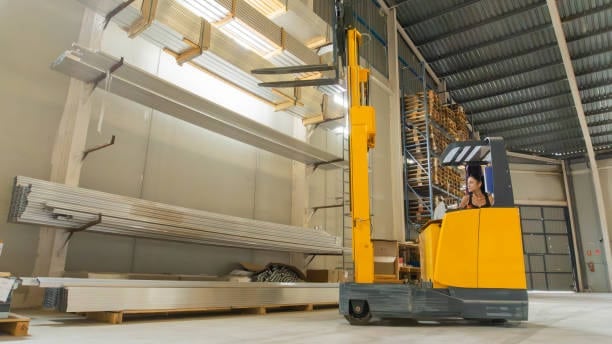
With the change in setup comes a significant shift in operation and accessibility of products within the pallet racks. One of which is that the racks now operate on a Last-In, First-Out (LIFO) stock rotation due to the placement of the pallets. Another is the equipment needed to store and retrieve pallets, with double-deep racks requiring telescopic forklifts to access the rear pallets.
Key Advantage:
- Higher storage density – compared to selective pallet racking, double deep racks increase the storage capacity of warehouses by at least 10%.
Typical Applications:
- Similar products – unlike selective pallet racking that is great for multiple SKUs, double deep setups excel in managing pallets with similar SKUs. Pallets with the same products can be stacked in front of each other, streamlining operational workflow.
- Medium selectivity requirements – Along with having the same SKUs, double deep racking systems work for warehouses that don’t need constant selectivity.
Pallet Shuttle System
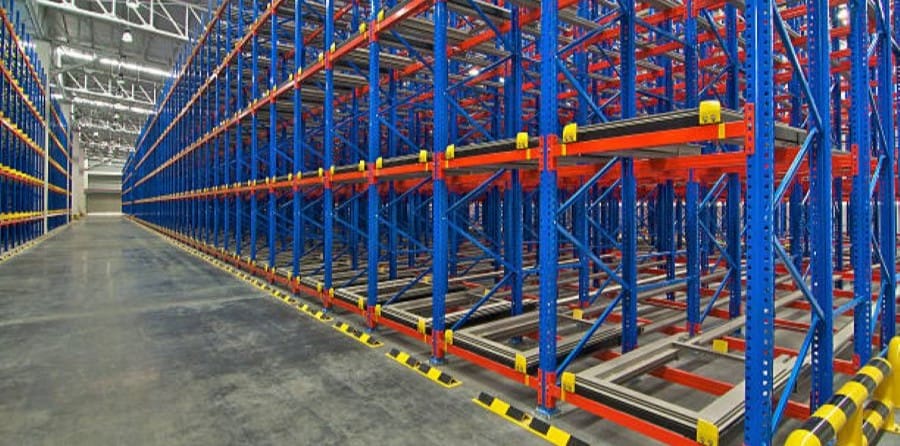
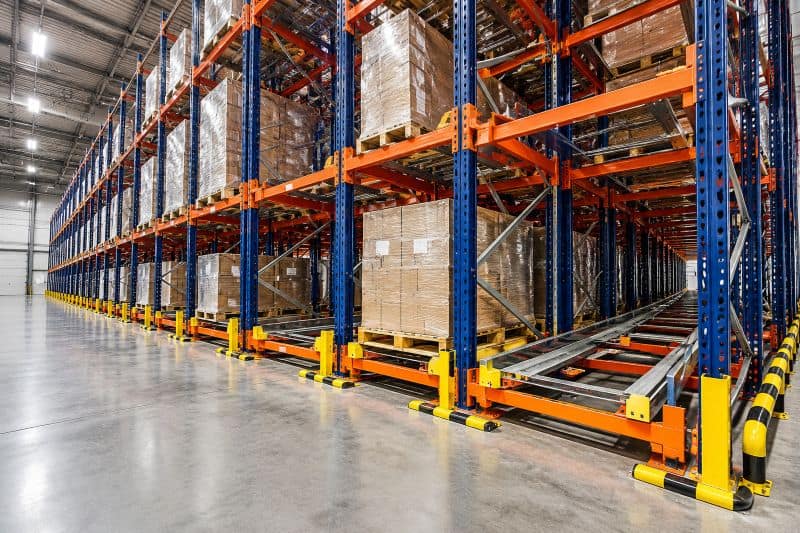
For a more semi-automated and high-density storage solution for warehouses, you can opt for pallet shuttle racking systems. Also referred to as radio shuttle racking, the setup utilizes battery-powered remote-controlled carts for moving and retrieving pallets along the rack’s lanes.
With the technological improvement of this setup comes several considerations when choosing shuttle pallet racking. Along with increased sourcing and installation costs, the shuttle carts and railing will require frequent maintenance for optimized operations.
Key Advantages:
- Reduced forklift movement – since the carts will move the pallets within the racks, forklifts will only be responsible for placing and getting pallets from the carts. This translates to faster and safer pallet movement while reducing operational expenses.
- Improved storage efficiency – the unique setup of shuttle pallet racking systems significantly increases the storage capacity of warehouses by utilizing the automated carts for moving pallets along.
Typical Applications:
- Cold storage – since the low temperature of cold storage units can be dangerous for operators to move along, shuttle racks make the process safer, faster, and more efficient.
- High-volume inventory – if the facility is handling a large volume of pallets, shuttle carts can make transporting them faster and more consistent.
- Limited warehouse space – along with increasing the warehouse’s storage capacity, shuttle pallet racks make the most of the space in smaller warehouses.
Cantilever Racking
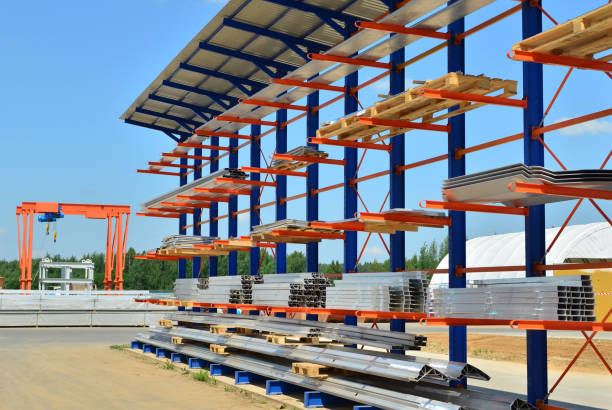
Cantilever racking systems may share design concepts with traditional selective pallet racks, except cantilever racks don’t have front vertical columns included. This unique design makes the setup ideal for storing pallets carrying long, bulky, or irregularly shaped products. Additionally, the cantilever arms can typically be modified to match the specific load requirements.
Key Advantage:
- Open front column – with the setup lacking the front columns, moving longer pallets is easier and more convenient.
- Flexible configuration – most cantilever racks are designed with adjustable arms that can be moved to accommodate the varying height of the pallets.
Typical Application:
- Storage of irregularly shaped goods – whether the facility is handling steel bars, timber, or PVC pipes, cantilever racking can handle them with ease.
How to Choose the Right Pallet Racking System for Your Warehouse
Now that we have the basic details about the various pallet racking systems, it’s time to look at how to purchase the right setup for your warehouse. Buying the racks goes beyond checking the price tag and involves several considerations that must be accounted for during the selection process. This section will focus on these factors, along with some tips to make the right purchase.
Analyze Your Storage Requirements
First, you’ll need to check the specifics of the pallets your warehouse is storing, as this will determine the type of pallet racking system to purchase. Here are some questions you may ask to narrow down your selection process:
- Product type – what products will your warehouse store? Do these products need specific storage requirements?
- Number of SKUs – how many product types are you intending to store? Some racks work better for multiple SKUs, like selective racking, while others like double-deep racks suit smaller SKU types more.
- Inventory turnover – how soon can the products leave your facility? Depending on the projected turnover timeline, certain pallet racks can facilitate specific delivery times.
- Pallet quantity – how many pallets are you storing per SKU? Double-deep and drive-in pallet racks can store multiple quantities of similar SKUs, while selective and cantilever racks typically handle single SKUs at a time.
- Storage duration – lastly, how long can you store the pallets in your facility? Time-sensitive pallets require racks that facilitate the FIFO inventory method, like selective racking and drive-through racks.
Consider Storage Density vs Accessibility
Next, determine if your facility wants to focus more on improving storage capacity, better pallet accessibility, or prefers to have a balance of both. Knowing what you want to prioritize matters because certain pallet racking systems excel at either storage density or easier pallet access.
For starters, let’s differentiate these two factors and why they’re important for proper warehouse operations.
- Storage capacity – refers to how many pallets your warehouse can store at any given time. Pallet racks can increase the initial storage limit by utilizing the facility’s vertical space to store more pallets.
- Accessibility – refers to how easily forklifts and manual pickers can access the pallets for selection or delivery. The pallet rack’s design and configuration mainly determine how accessible the pallets are once stored on the racks.
To achieve a balance between storage density and easy pallet access, it’s best to combine several types of pallet racking systems to maximize the strengths of each setup. Selective racking systems, for example, offer the highest accessibility rate among all pallet racks, as it places each pallet front and center. In contrast, drive-in and shuttle racks significantly elevate the storage density of warehouses, as they replace some aisles with storage space.
Evaluate Warehouse Layout and Available Space
After looking at the products and what your facility wants to prioritize, it’s time to check the actual warehouse layout and the available space it can offer. This includes the following:
- Warehouse dimensions – start by measuring the square footage of your warehouse, as it will be the main determinant of how many pallet racks can be purchased.
- Ceiling height – take note of how high the warehouse is, since this will give the manufacturer an idea of how tall the pallet racks can be. Remember to also factor in the lights and sprinklers on the warehouse height.
- Column positions – next, identify the location of all columns within the warehouse. This will be added in when computing how many racks will be placed on the facility, along with the proper space in between racks.
- Aisle requirements – then, determine how wide you want the aisles to be, since this will influence the total number of pallet rack columns you can place in the facility.
Match the Racking System with Forklift Operations
The synergy between racking systems and forklifts ensures the smooth flow of pallets within the warehouse. As such, the forklifts the facility is using must match the needs of the pallet racks, which can be determined by looking into these factors:
- Forklift type – what kind of forklift does your facility use? If you’re opting for double-deep pallet racks, make sure that the forklifts can reach the pallets.
- Turning radius – each aisle should have enough room for the forklift to move smoothly without bumping into the racks.
- Lifting height – another factor to look at is how high the forklifts can go. The forklift’s maximum lifting height must match the rack’s top level to maximize the storage capacity.
- Operating efficiency – additionally, it’s important to maintain an overall efficient movement of pallets throughout the warehouse. This can be achieved by making sure the forklifts complement the racking setups and vice versa.
Consider Future Growth and Scalability
Lastly, always factor potential warehouse expansion when choosing a pallet racking setup. Scalability is part of any business, and missing out on this may lead to additional costs and extended operational downtime when the time to expand comes.
- Inventory growth – if the warehouse frequently experiences a temporary uptick in inventory, then your pallet racks must be able to accommodate these changes quickly.
- Business expansion – your pallet racks must be ready to expand as your business does. It’s ideal to choose shelving that can be easily expanded to minimize downtime.
- Layout changes – prepare your pallet racks for any potential change in the warehouse layout, be it from expansion or inventory changes.
Key Design Factors for Pallet Racking Systems
Placing an order for pallet racking systems with a reliable manufacturer like iWarehousing gives you the option to modify the design according to storage needs. Here are some key points that can be customized on your shelving, along with some design factors to consider.
Source: iStock
Load Capacity Calculation
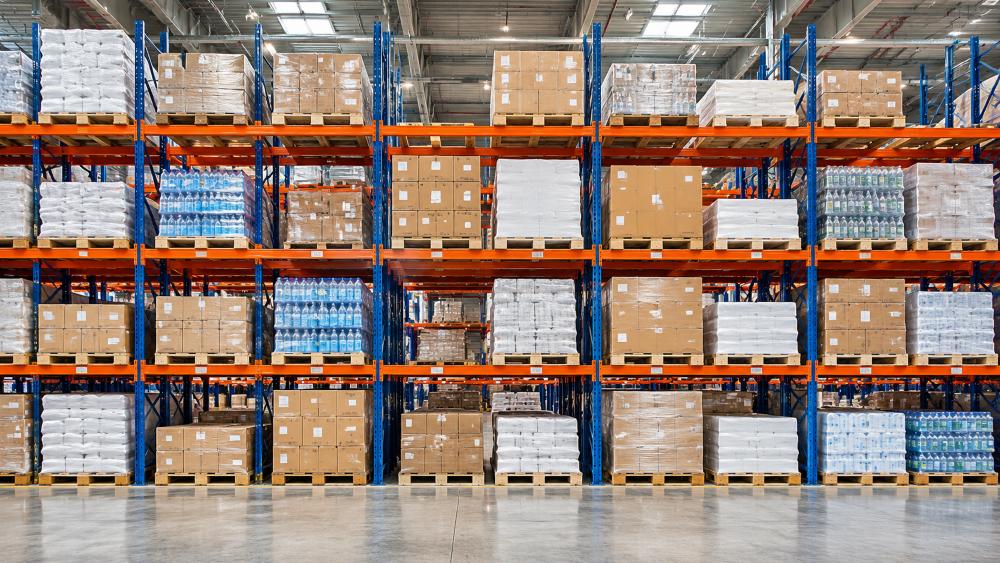
One of the most important details to secure is the overall load capacity of the shelving you’ll install in the warehouse. If the rack’s weight capacity is below the total pallet load, the setup may break, damaging the pallets and delaying production times.
To get the specific numbers for the rack’s load capacity, you’ll need to get the following:
- Pallet load – the total weight of each pallet, obtained by adding the product weight to the pallet weight.
- e.g., if the product weighs 500 kg and the pallet weighs 10 kg, the total pallet load is 510 kg.
- Beam capacity – refers to how much weight each set of beams can carry without stressing the material. This is usually defined by the material used to make the beams.
- Number of storage levels – this will be equal to the number of levels the pallet rack can have, which is obtained through the following formula:

ex: If you have the following measurements,
· Rack height: 5,000 mm
· Pallet height: 1,000 mm
· Clearance between pallets/beams: 100 mm
· Bottom clearance: 200 mm
The computation goes as follows:
Available height will be 5,000 mm – 200 mm = 4,800 mm
Space per pallet will be 1,000 mm + 100 mm = 1,100 mm
Dividing the numbers 4,800 mm ÷ 1,100 mm = 4.36mm
Thus, the pallet rack can accommodate 4 shelves.
- Safety factor – a standard safety factor must be added to every computation, which is usually 1.25.
By combining all four factors, we can then get the overall load capacity of the pallet racking system.
Rack Height and Vertical Space Utilization
The second set of details you’ll need for modifying the pallet racks to specifically suit your warehouse will be the vertical information. Particularly, the vertical measurements will determine how tall your shelving can be while staying compliant with regional regulations and keeping workflow optimized.
- Warehouse clear height – this refers to the total usable space from the warehouse floor to the lowest obstruction that could hinder operations, like the facility’s lighting. It should not be confused with the usable rack height, which indicates the allowable space the rack can be made without affecting performance.
- Sprinkler clearance – it’s an industry standard to leave enough space between the top pallet and the sprinkler system to ensure water flows unimpeded in cases of fires. This measurement is typically given by the local fire authorities, supported by the warehouse’s fire sprinkler layout.
- Forklift lifting capability – to maximize the pallet rack’s storage capability, the forklifts must be able to reach the rack’s highest storage level. Take time to check the maximum lifting power of your forklifts and design the racks to accommodate that limit.
Aisle Width and Traffic Flow
Unhindered forklift movement is vital to the successful operation of any warehouse, as it ensures timely transport of pallets to and from the pallet racks. As such, there should be enough space between the aisles for the forklifts to travel along while still maximizing the warehouse’s storage capacity.
- Storage density – indicates how many pallets the warehouse can store within the allotted space, which reflects how efficient the warehouse is in using the limited area. Typically, the higher the density is, the narrower the aisles would be, limiting the movement and number of forklifts that can move along the facility.
- Forklift operation – not all forklifts work the same, meaning some may require less space to operate than others. Whereas regular forklifts may need more room to access the storage racks, telescopic or very narrow forklifts can operate in limited spaces with ease. Thus, the equipment’s space requirements must be factored into measuring aisle widths.
- Worker safety – additionally, the welfare of the warehouse personnel must also be accounted for in dedicating traffic space within the facility. Workers need ample room to move without the risk of pallets falling or endangering their workspace.
Floor Conditions and Installation Requirements
Checking the condition of the warehouse floor is equally important to inspecting the quality of the shelving, as the floor will be responsible for keeping the racks stable. The floor’s strength and stability will dictate how the pallet rack installation would go, along with the additional materials needed for the installation process.
- Concrete floor strength – not all warehouse floors are made the same; some may have thicker concrete than others. Along with checking how thick the concrete is, take time to inspect the evenness and solidity of the warehouse floor.
- Anchor installation – next, check on how to best anchor the pallet racks on the concrete floor to guarantee its stability and proper load-bearing. Depending on how thick the concrete is, the base plates and anchors may be longer and thicker to handle the task.
- Warehouse environment – along with reviewing the warehouse’s concrete flooring, the overall condition of the facility must also be accounted for. For instance, cold storage facilities will need specific installation processes to prevent moisture buildup, while windy locations may need additional anchoring to keep the racks in place.
Safety Standards and Compliance Requirements
Lastly, prescribed safety requirements must be added to the custom pallet racks to guarantee that they meet local and international standards. These would include:
- Load labels – proper labels indicating the load capacity of every shelf should be clearly seen on the racks. Ideally, these labels are made using brightly colored materials and placed at the appropriate height, so forklift operators can see them easily.
- Rack protection – additionally, installing the right rack protection on the shelving’s frames will help extend its service life and keep pallets secure. These metal pieces absorb the impact when forklifts accidentally hit the frames, thus reducing any potential damage to the shelves.
- Regular inspections – along with meticulous installation and commissioning, the pallet racks must undergo frequent inspections and audits for constant operation. Any dent, damage, or concern must be quickly addressed to prevent downtime or damaged pallets.
- Local safety regulations – check what local laws apply for the installation and use of custom pallet racking systems in your warehouse. Let the manufacturer know if there are specific instructions they need to follow so they can implement them in your shelving.
Pallet Racking Cost Factors in 2026
Sourcing a pallet racking system for your warehouse is a significant, long-term investment. This section will focus on the main factors that affect the cost of each pallet rack. By detailing the production costs, it gives you a clearer picture of the expense in each part of the setup.
Source: iStock
Material and Steel Specifications
A large part of the manufacturing cost goes to sourcing the materials used in building the pallet racking systems. Price may also increase if the pallet rack maker has to procure specific material types or thickness for a custom build that they don’t usually have in inventory.
- Steel thickness – the thickness of the steel determines how durable the racks would be and the structure’s load capacity. Typically, the thicker the steel, the more expensive the material cost would be.
- Material quality – alongside the thickness, the steel for your pallet racking system should have the right properties to guarantee reliable and lasting operation. Skipping on this part may compromise the service life of the entire setup.
- Surface treatment – while not required for every rack, finishing the shelving with a proper surface treatment improves the durability, resistance, and overall performance of the setup. Surface treatment depends on the intended use, like hot-dip galvanizing for pallet racks that will be used in cold storage facilities.
Rack Configuration and Storage Capacity
Another factor that influences the overall cost of your custom pallet rack is its configuration and intended storage capacity. The higher the numbers are, the more expensive the total charge will be.
- Rack height – taller pallet racks will typically require additional support to keep the structure stable and strong. Aside from using more material for the upright frames, support beams must be strategically installed to increase their stability and improve storage capacity.
- Number of levels – each level comprises two steel beams; with every level added, this number increases. Alongside increasing the material cost, the structure must be modified to ensure it can carry the additional weight.
- Number of pallet positions – although the standard setup is two pallets per row, this can be increased according to project requirements. However, customizing the capacity will relatively increase the production costs.
Custom Design and Engineering Requirements
As mentioned in the previous points, any adjustment or customization made on the pallet rack’s design will increase the production costs relative to the changes. This covers both modifications to the shelf’s design and changes to the pallet rack’s engineering to suit the warehouse.
- Special dimensions – any modification to the pallet racking system’s initial design will change the manufacturing expense, especially for drastic changes that may overhaul the setup’s design.
- Higher load requirements – increasing the load capacity of the pallet rack will also impact the production cost, as it will require the addition of braces and other materials.
- Complex warehouse layouts – additionally, a charge for customization may be added if your warehouse has a unique layout and you want the racks to reflect this.
Installation and Transportation Costs
Along with material and design costs, there’s also a charge for shipping and installing the pallet racks in the warehouse.
- Shipping distance – shipping to longer distances from the manufacturer’s facility may increase the shipping cost for the buyer. This also covers the charges for customs clearances depending on the region they’re shipping to.
- Installation complexity – installers are typically charged depending on how the process would proceed, with more complex installations having a higher bill. However, installations typically include commissioning as well, making sure they’re ready for use.
- Project size – another point that can dictate the total bill is how large the project entails. If the project will require multiple teams to produce and install the shelving, the higher the cost will be.
Common Mistakes When Buying Pallet Racking Systems
Purchasing custom pallet racking setups can be intimidating, especially if this is your first time sourcing from overseas. We’ve gathered some common mistakes we’ve seen from our customers over the years, along with corresponding tips to avoid stumbling with the same concerns.
Choosing Based Only on Price
It’s easy to focus on the lower price for the pallet racks, thinking it will provide the best value for money. However, a low price tag doesn’t necessarily mean you’re getting the best storage solution. Instead, look into the following factors before deciding on a price point.
- Safety – low cost may also mean compromising on the materials used in making the pallet racks. Low-quality materials may be cheaper, but these may also have lower quality, leading to a shorter service lifespan.
- Durability – along with a compromise in materials, it may also reflect the manufacturer’s choice to skip some steps to reinforce the setup. Foregoing some steps, like placing support beams, may weaken the pallet racks.
- Long-term cost – Pallet racks are typically seen as a long-term investment for warehouses, meaning durable and stable shelving can be used for generations. Some low-cost racks may not last long and require constant replacements, increasing your expenses rather than lowering them.
Ignoring Professional Warehouse Planning
Ignoring the planning stage when sourcing a custom pallet rack may save you on time and money but may not be the wisest choice for warehouses.
Poor warehouse planning typically leads to:
- Poor space utilization – proper planning ensures every square inch of the warehouse can be utilized for storing and moving pallets within the facility. Without this, the shelving may not have the proper spacing, or racks could be too low, missing out on some extra storage space.
- Inefficient operations – along with not maximizing the warehouse’s space, poor planning may also affect the allotted aisle width for forklifts to move around and access the pallets. This will cause delays in warehouse operations, damaged pallets and racks, and potential loss of income.
Overlooking Future Storage Needs
Planning for potential expansion should always be part of one’s sourcing process, leaving enough room for additional racks when needed. Not considering this when talking to manufacturers may cause unnecessary expense or downtime when the time for expansion comes.
Remember to discuss with your pallet rack manufacturer any expansion plans when designing the shelves. This will help them make adjustments to the setup to either accommodate more shelving or make disassembly and reconfiguration easier.
Buying From Suppliers Without Manufacturing Capability
Sourcing your pallet racks from manufacturers is completely different from suppliers that only focus on selling pre-built setups. Not working with a manufacturer limits your purchasing capability, as you’re missing out on the following:
- Production ability – manufacturers can easily customize the pallet racks to match your specific shelving needs, something supplier-only companies can’t provide. Additionally, they have a better understanding of the product, making sure they capture your ideas perfectly.
- Quality control – along with their production prowess, manufacturers like iWarehousing have strict quality control standards that they implement throughout the process. You can rely on them to validate the quality, durability, and consistency of the pallet racks.
- Engineering support – another perk of working with a full-fledged manufacturer is the technical assistance they can provide after order fulfillment. These companies typically have a team of technical experts that can address your concerns and ensure your racks work as intended.
How to Choose a Reliable Pallet Racking Manufacturer
Knowing what type of pallet rack your warehouse needs is one thing; working with a manufacturer that knows the industry in and out is another. Finding the right pallet rack maker gives you the assurance that your shelving will properly fit your warehouse requirements. In this section, we’ll help you identify the qualities of a top-notch pallet racking manufacturer.
Source: iWarehousing
Manufacturing Experience and Production Capability
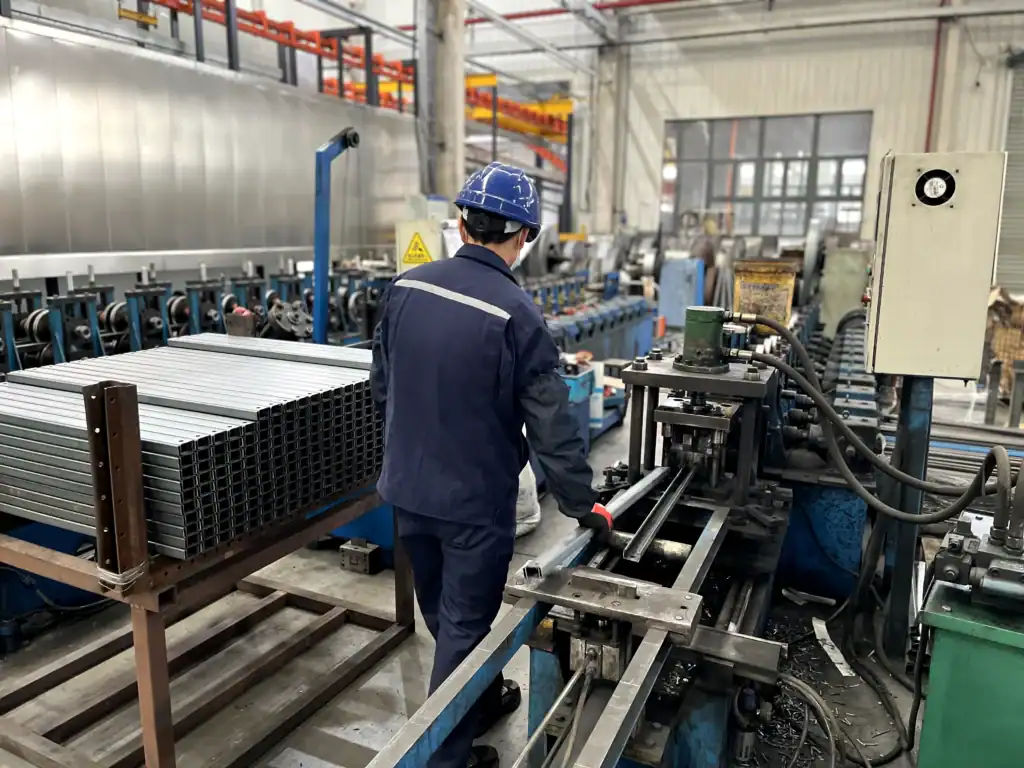
First, look for a manufacturer that has a proven track record in producing high-quality pallet racking systems. The longer the manufacturer has been in the market, the more they know what your market or warehouse will need. Plus, they typically have the right machinery or processes to create the pallet racks to your specifications.
iWarehousing, for instance, has been in the industry for more than 30 years, catering to the warehouse racking needs of numerous clients. Not only have we been making warehouse storage and inventory solutions, but we also understand the specific demands of various markets, from cold storage to outdoor warehouses.
Engineering Design and Custom Solutions
Next, it’s important that your pallet racking system maker has the capability to create custom designs and engineer shelving that properly handle the intended load. Additionally, they should be able to provide digital layouts of both the shelving design and how it will be distributed in the warehouse.
The seasoned engineers at iWarehousing have the know-how and technology to provide digital designs for your pallet racks, ensuring they address your needs before production. Not only that, but our team computes the load capacity and storage density of the warehouse, making sure the racks can maximize your facility’s available space.
Safety Standards and Quality Control
Another sign of a reliable pallet rack manufacturer is the implementation of strict quality control standards throughout the production process. They also adapt to the safety regulations in your region, ensuring your custom shelving meets these requirements perfectly.
Through constant product testing and consistent quality management, iWarehousing’s quality auditors validate the performance of every pallet racking system made in our facility. We also adhere to numerous international requirements for safety compliance, making sure our shelving solutions meet their demands.
Installation Support and After-Sales Service
What separates a good manufacturer from a reliable one is how they handle your concerns after order fulfillment. While many makers end the partnership once you receive the pallet racks, reliable manufacturers keep lines open to address any after-sales concerns.
This is where iWarehousing excels more than other pallet racking makers worldwide. Not only do we provide world-class installation support, but we also have a dedicated team of technical experts assigned to answer your questions. Moreover, we can also ship out spare parts upon request during the warranty period, so your pallet racks can continue serving your warehouse.
Frequently Asked Questions About Pallet Racking Systems
What Type of Pallet Racking System Is Best for a Warehouse?
While no one pallet racking system can address all warehouse needs, there’s a pallet rack that can meet facility needs. You will need to identify what your facility needs the most, and source a pallet racking setup that matches the requirement. For example,
- Selective racking – best for facilities handling multiple SKUS and high selectivity.
- Drive-In and Double deep racking – ideal for warehouses that want to focus on storage density
- Shuttle racking – great for specific warehouse setups, like cold storage facilities.
How Much Does a Pallet Racking System Cost?
Pallet racking systems typically cost between $50 and $500 per pallet position, depending on several factors. Selective pallet racks are the most affordable, starting at $50, while shuttle pallet racks begin at $185, making them the most expensive. However, other aspects can increase the pallet rack’s price, including:
- System type
- Storage capacity
- Material specifications
- Installation requirements
How Long Does a Pallet Racking System Last?
With proper installation and frequent maintenance, a pallet racking system’s service life usually ranges between 10 and 25 years. Although there’s no strict expiry date for this equipment, some factors that can influence its lifespan include the following:
- Product quality
- Loading conditions
- Maintenance frequency
- Operating environment
What Information Does a Supplier Need to Design a Pallet Rack System?
Your pallet racking system supplier will need specific details not only to identify the type that will match your warehouse needs but also to create custom racks if needed. Some of these are:
- Warehouse layout – how wide or narrow the warehouse is, along with the location of columns and usable height.
- Product dimensions – the size and weight of the products that will be stored on the racks.
- Pallet size – how large the pallets are, which will determine the length of each shelf.
- Load requirements – any additional allowances or specifications needed for proper operation.
- Forklift information – the type and capability of the forklifts your warehouse uses.
Can Pallet Racking Systems Be Customized?
Yes, pallet racking setups can be customized according to warehouse demands. To do this, you’ll need to provide the manufacturer certain details, including:
- Warehouse space
- Product requirements
- Storage goals
Knowing the Details to Streamline Your Pallet Rack Purchasing
Choosing the right pallet racking setup plays a crucial role in optimizing warehouse efficiency, product security, and long-term operational cost control. While there are several pallet rack types available, the ideal shelving solution must address storage requirements, operational demands, existing warehouse conditions, and potential expansion.
Moreover, working with a professional pallet racking system manufacturer is just as vital to the success of your operations. They understand your industry and business needs more than anyone, all while delivering reliable, lasting solutions that will fit your demands.
Ready to source your next pallet racking system? Talk to an iWarehousing consultant today and see how our expertise can fulfill your business requirements.