Not all cantilever racking systems are made the same, with some racks meant to address specific material or storage concerns. And when it comes to storing long, heavy materials, the heavy-duty cantilever racking setup handles the task perfectly. From its dedicated design to the improved storage capacity, this setup is built to do the heavy lifting for your warehouse.
In this article, we will uncover everything you need to know before adding heavy-duty cantilever racking systems in your warehouse. Along with the design, we will also look into situations where it works best and how it can elevate your facility’s workflow.
What Is Heavy-Duty Cantilever Racking?
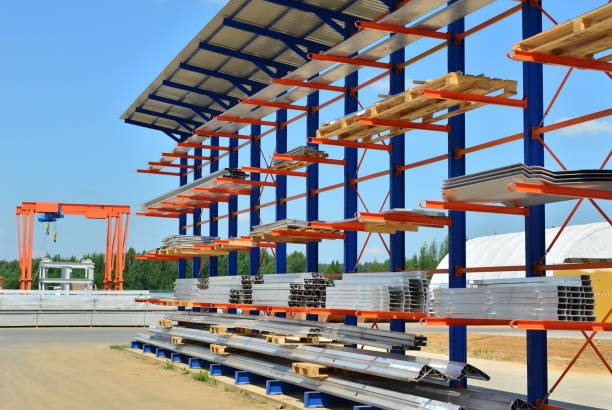
Specifically designed for carrying heavy, extra-long, and irregularly sized goods, heavy-duty cantilever racking addresses an industry need unlike any other racking solution. Compared to ordinary cantilever racking setups, the heavy-duty system offers higher load capacity and stronger structural design, ensuring better stability for heavy materials. Their unique configuration makes them ideal storage solutions for steel warehouses, material processing facilities, construction material storage, and manufacturing plants.
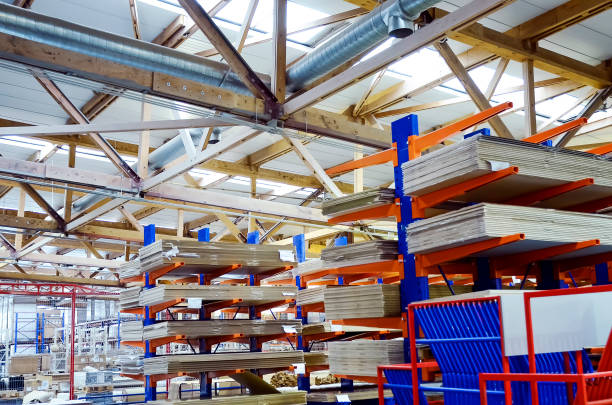
ALT: Heavy-Duty Cantilever Racking
Source: iStock
How Do Heavy-Duty Cantilever Racking Setups Work?
Before we look at how the system works, let’s go through the main structure of every heavy-duty cantilever rack. Compared to the regular cantilever racking setup, the heavy-duty system has improved load-bearing capacity and long-term stability through enhanced structural design.
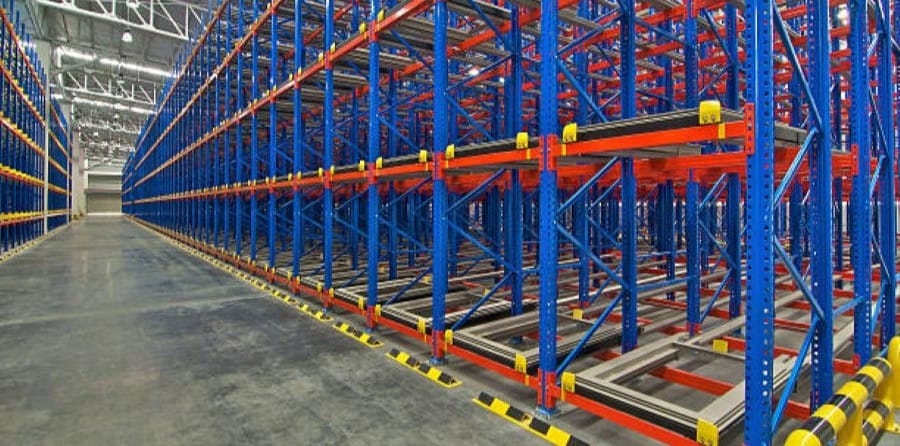
The racking design transfers the heavy load from the cantilever arms to the upright frames, ending at the bolted floor bases. As such, frames and arms are specifically manufactured using stronger and sturdier material, giving the racking the strength it needs to carry heavy material. These sections are then supported by reinforced base structures and strong bracing systems, ensuring the setup maintains stability and won’t break under pressure.
Heavy-Duty Cantilever Racking vs Standard Cantilever Racking
Earlier, we pointed out one key difference between standard cantilever racks and the heavy-duty version. Here, we’ll go deeper into how the heavy-duty cantilever racking performs significantly differently from the regular setup.
Heavy-Duty Cantilever Racking:
- Higher load capacity – a heavy-duty cantilever racking system can hold an approximate range of 1,500 to 6,600 pounds. Depending on the configuration, column capacities can go upwards of 30,000 pounds.
- Stronger components – to manage the additional load, heavy-duty cantilever racks are made from stronger and more durable components, including higher quality steels and support braces.
- Suitable for industrial materials – thanks to its higher capabilities, this racking setup works better for carrying industrial materials, which are heavier, longer, and oddly-shaped.
Standard Cantilever Racking:
- Lower load requirements – without the extra support and stronger materials, standard cantilever racking systems can manage between 500 and 1,100 pounds per arm.
- Suitable for lighter products – due to its load capacity, it’s the go-to cantilever racking for storing piping, steel bars, or furniture components.
- More flexible for general storage – in addition to the usual load it can store, standard cantilever racks can accommodate more types of products without spending too much on materials or installation.
What matters when choosing a cantilever racking setup for your warehouse? Three main considerations include:
- Product weight – one of the most important factors, the overall weight of the products the warehouse stores will dictate the type of cantilever rack you’ll need. For loads under 1,000 pounds, a standard cantilever rack may work; anything exceeding 1,000 pounds will require a heavy-duty racking setup.
- Storage requirements – another consideration is the equipment used to store and retrieve the products. Standard cantilever racks can work with hand-loading or light forklift picking, with cantilever arms extending up to 36 inches. Heavy-duty racks, on the other hand, require forklifts for loading and unloading, as each arm can be as long as 73 inches.
- Operating environment – lastly, consider where the racking system will be installed. Heavy-duty cantilever racks are best suited to outdoor locations, since it has better weather and corrosion resistance. Conversely, standard cantilever racks are ideal for indoor installations, especially since they are easy to install.
Main Components of Heavy-Duty Cantilever Racking Systems
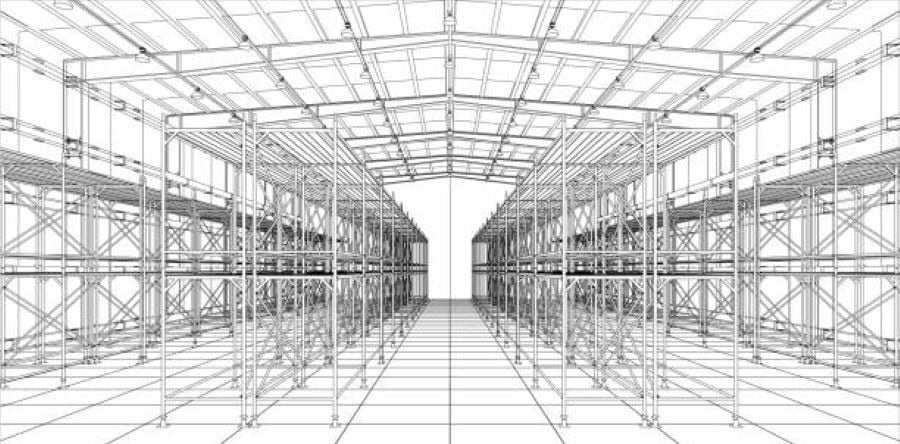
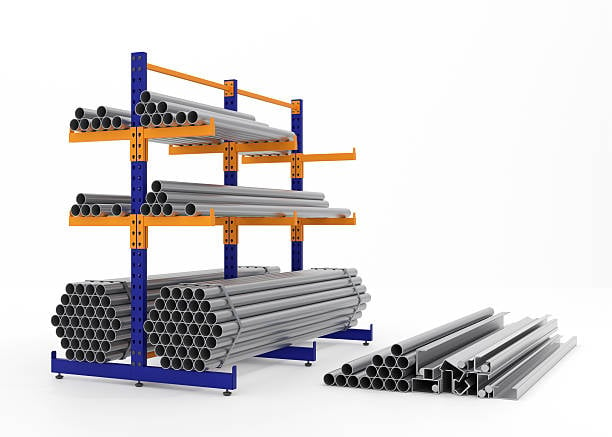
In the previous section, we’ve touched on the structural components that form every heavy-duty cantilever racking setup. Here, we’ll dive deeper into these parts to understand how they function and what they add to the racking system’s capabilities.
Source: iStock
Heavy-Duty Upright Columns
First on the list are the upright columns, which are the vertical beams made from high-grade solid steel responsible for bearing a large portion of the load. Due to the heavy-duty applications of this setup, it requires columns that can handle more weight and maintain stability than regular cantilever racks. As such, the beams are designed and manufactured based on the following parameters:
- Total load – with the increased load requirement, the upright columns must have the thickness and durability to handle the additional weight without bending or cracking. More columns may be added to evenly distribute load throughout the racking.
- Rack height – the taller the cantilever rack is, the sturdier the columns must be to stay upright and prevent collapsing. The rack’s height also influences the racking’s overall load capacity, so this should be properly calibrated.
- Storage levels – as the base of every cantilever racking, the upright columns dictate the number of storage levels it can accommodate. Taller racks give more room for storage levels, which could increase the load requirements.
Reinforced Base Structures
To properly handle the added weight heavy-duty cantilever racking systems carry, the base structure of each setup is also heavily reinforced. Made from the same high-quality solid steel as the frames, they form a singular piece that’s anchored to the floor for efficient weight transfer.
Additionally, the elongated base structures help balance he racking as it carries the weight of the load, preventing the setup from tipping while increasing system stability. The heavier the intended load is, the longer and more solid the base structure is designed.
High-Capacity Cantilever Arms
If the frames are responsible for providing structure, the high-capacity cantilever arms are designed to carry the cargo while keeping them stable. The design and configuration of these cantilever arms usually rely on the weight and size of the goods they will carry, which seamlessly connects to the frames.
Some considerations when designing the cantilever arms include:
- Arm length – typically matches the product load depth, preventing them from overhanging. Shorter cantilever arms concentrate load weight, while longer arms help spread the weight at the cost of aisle space.
- Arm thickness – depending on the weight capacity per level, the cantilever arms may be thicker for better load management. The arms’ thickness is also proportional on its length, where longer arms are thicker than shorter ones.
- Load distribution – refers to how even the load is distributed along the cantilever arms. If the load is uniformly distributed, the setup performs optimally. Improper load distribution, however, may cause extra stress on the arms, leading to damage or breakage.
Heavy-Duty Bracing Systems
Connecting the multiple columns together and keeping them in a stable and rigid condition are the heavy-duty bracing systems. Made from high-quality steel, these channels maintain the rack alignment, preventing the entire setup from twisting due to the heavy load. Moreover, when properly configured, the braces can increase the load capacity of these racking setups.
Safety Accessories for Heavy Applications
To improve the safety and performance of these racking systems, you can opt to include additional accessories built for heavy applications. While not required, they are designed and manufactured to extend the service life of your racks and encourage a smooth operational workflow within the warehouse.
- Arm stops – removable steel pins attached at the end of cantilever arms to prevent the goods from rolling off the rack.
- Column protectors – solid steel bars installed at the base of each upright frame to absorb impact from forklift collisions.
- Load labels – bright and easy-to-identify markings placed at the end of each rack that tell operators of important load information.
- Safety barriers – railings anchored in front of the racks that give ample space between the setup and forklifts, reducing risks of collisions while allowing personnel to move.
Benefits of Heavy-Duty Cantilever Racking
Installing heavy-duty cantilever racking systems in your warehouse can not only address storage concerns but can also improve overall warehouse functionality. Let’s look at how this racking solution takes your facility to another level in space efficiency and production workflow.
Store Heavy and Oversized Materials Efficiently
The open design of heavy-duty cantilever racking setups facilitates the storage of goods with different lengths and sizes. Additionally, the cantilever arms can be adjusted to accommodate larger materials without the need for purchasing additional equipment or installations. Heavy-duty racks work best for storing the following materials:
- Steel pipes
- Metal profiles
- Timber
- Structural components
- Construction materials
Higher Load Capacity and Durability
With heavy-duty cantilever racking installed, warehouses can increase their load-bearing capacity, expanding their service offerings. The stronger steel components, reinforced connections, and optimized structural design of these racks extend their service life and improve performance. This also guarantees that the investment placed on purchasing the equipment will gradually return and become profit later on.
Improved Accessibility for Long Materials
Another benefit of this racking system’s open architecture is the easier and faster access to the materials they handle. Not only does it allow forklifts to store and retrieve product, but the setup is also compatible with cranes, which makes expansion much more feasible for facilities. The racks can also accommodate side loading operations, significantly improving loading and unloading efficiency.
Better Warehouse Space Utilization
Thanks to the design and configuration of heavy-duty cantilever racking setups, the available space in the warehouse can be fully maximized. Strong and stable upright frames give access to the facility’s vertical space for storage, while adjustable arms can further expand storage capabilities. Moreover, the layout of heavy-duty cantilever racks can be fully customized to take advantage of the warehouse’s floor plan, utilizing every space available for storing materials.
Common Applications of Heavy-Duty Cantilever Racking
The flexibility of heavy-duty cantilever racking setups lends itself well to meeting the storage demands of various industries. We’ve listed several applications for heavy-duty cantilever racking systems to see how it fits into your warehouse storage needs.
Steel and Metal Storage
Most steel and metal materials are formed into long bars, making storage a challenge for most warehouses that use traditional storage racking. With heavy-duty cantilever racks installed, heavy and long metal products like steel pipes, aluminum profiles, metal bars, and sheet materials can be easily stored on every rack. Plus, the racks can be adjusted to accommodate wider and larger products.
Lumber and Timber Storage
When storing lumber, wooden boards, and timber products, it’s important to have racks with open access for easier storage and retrieval. Thankfully, heavy-duty cantilever racking systems are designed and manufactured to include open access, making the loading of long and heavy wood products easier and more efficient. Additionally, the thick, adjustable cantilever arms provide the timber a stable surface, ensuring the material’s form stays the same even after long periods of storage.
Construction Material Warehouses
Most materials used in the construction market are either long or are shaped in a way that makes traditional shelving difficult. From structural components like reinforcing bars to building materials like PVC pipes, giving them ample storage space guarantees their quality and stability.
Heavy-duty cantilever racks are designed specifically to give these materials a safe and stable storage space, no matter the weight or length. The solid steel configuration of these racking systems ensures the racks stay upright despite the heavy load.
Manufacturing Facilities
For manufacturing warehouses, providing ample and durable storage racks to place raw materials and heavy components is integral to smooth and consistent operations. Additionally, storage space must be available for supplies used in production lines.
The higher load capacity of heavy-duty cantilever racks makes them the ideal storage option for products used in manufacturing facilities. They can also be used to carry semi-finished and finished products as it waits for packaging and deliveries.
Outdoor Industrial Storage
Depending on the design and configuration, heavy-duty cantilever racking systems better suit the rigorous demands of outdoor environments. The thicker frame and additional support beams make the structure more resistant to heavy winds, while secondary processing and finishes ensure the racks withstand various weather conditions. Plus, you can choose a proper steel type and finish that can heavily resist corrosion, extending its service life.
Heavy-Duty Cantilever Racking Design Considerations
When creating a custom heavy-duty cantilever racking design, there are multiple points to consider in order to maximize the shelving configuration. In this section, we’ll focus on these factors and how they affect the racking’s functionality, cost, and aesthetics.
Load Capacity Calculation
The heavy-duty cantilever racking’s total load capacity can’t be determined by a single column or arm alone. Changing only a portion of the racking may cause stress on the other parts, leading to equipment failure and unnecessary downtime. If you want to modify the rack’s overall load-bearing limit, a holistic design is required to accommodate the weight.
Consider the following factors when adjusting the system’s load capacity to ensure the entire setup is balanced and can perform as intended:
- Material weight – refers to how heavy the materials will be per batch. The rack’s maximum load capacity should always be higher than the total material weight it would carry.
- Number of storage levels – cantilever racks typically have several storage levels where product is placed, where taller frames can have more levels.
- Arm capacity – each cantilever arm must have the proper length and thickness to carry the load.
- Load distribution – the total load must be evenly distributed throughout the racks to guarantee optimal performance. Any imbalance may cause the rack to tip or bend due to excessive weight.
Product Dimensions and Weight Distribution
Even distribution of the elongated material’s weight gravely affects the design of the heavy-duty cantilever rack’s arms and columns. As such, the dimensions of the products should be properly factored into the rack’s customization to ensure the weight is evenly disbursed throughout the rack. These should include:
- Product dimensions – this should not only indicate the length of the material but also the width and diameter to ensure the materials fit properly on the racks.
- Center of gravity – include in the customization process where the material’s center of gravity will be, so the materials will stay stable and evenly placed upon loading.
- Loading method – factoring in how the materials will be loaded on the heavy-duty cantilever racks keeps the setup stable during the loading process and prevents tipping.
Forklift and Handling Equipment Requirements
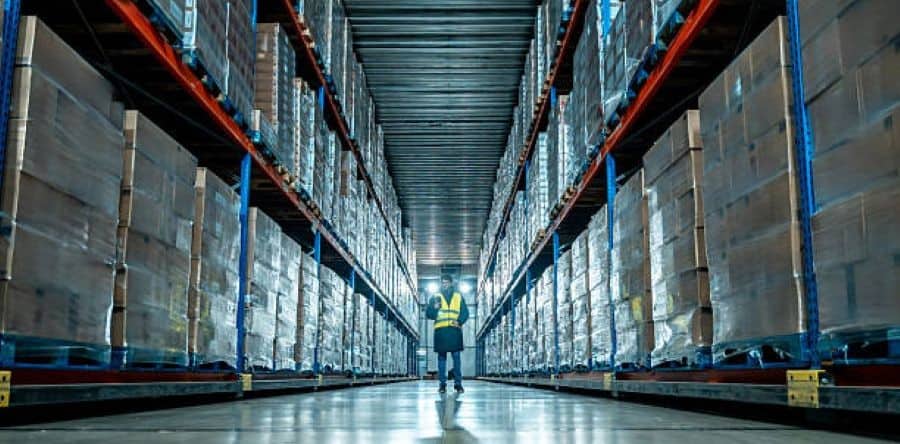
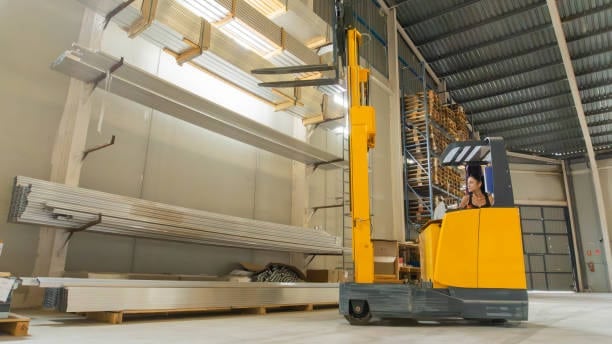
Depending on the delivery and handling method preferred by the warehouse, it’s best to modify the heavy-duty cantilever racks to best suit the loading process. Ideally, the racking system must complement existing warehouse operations to reduce downtime caused by installation and commissioning.
Source: iStock
- Forklift type – the type of forklift the warehouse uses greatly influences the dimensions of the heavy-duty racks, along with the preferred storage configuration. The layout of every rack, along with the height of each cantilever arm, is dependent on the forklift’s capabilities.
- Loading direction – additionally, include in the customization process the way the forklifts load the materials on the cantilever racks. Enough space should be given for unrestricted loading and retrieval of products, facilitating smooth product flow.
- Operating aisle width – longer cantilever arms can eat up the space intended for operating aisles, while shorter arms can limit the racking’s load capacity. Striving for a balance will maximize storage capacity and optimal flow of materials throughout the warehouse.
Floor Conditions and Installation Requirements
The warehouse floor provides the cantilever racks the long-term stability needed to manage heavy loads. It’s also responsible for keeping the heavy-duty racks standing within the warehouse, as anchor bolts are inserted on the floor to lock them in place.
As such, the floor strength must be considered when designing the heavy-duty cantilever racks, making sure they’re strong enough for the entire load. The installation process must also be properly calibrated, ensuring the bolts are sufficient to stabilize the cantilever racks.
Indoor and Outdoor Design Requirements
Although standard heavy-duty cantilever racks are designed for indoor installation with minimal adjustments, installing the racks outdoors requires additional preparation. Outdoor facilities are constantly exposed to strong winds and the elements, so the cantilever racks must be adequately configured to handle the additional stress.
For outdoor setups, start by choosing steel materials with high corrosion resistance, ensuring longer service life even during extreme weather changes. They should also be finished with protective coatings to improve their resistance to heat, UV rays, and moisture. For windy locations, add brackets and support beams to account for excessive winds.
How to Choose the Right Heavy-Duty Cantilever Racking Supplier
Not all storage rack makers are alike, with some offering more expertise and industry know-how than others. Working with a manufacturer that fully knows what your warehouse needs can make your sourcing journey easier and cost-effective. With a better understanding of how to create custom heavy-duty cantilever racking, it’s time to learn how to sort a proper manufacturing partner to bring your project to life.
Engineering and Custom Design Capability
One of the most crucial factors in determining if a cantilever racking manufacturer meets your requirements is the depth of their engineering and design prowess. Their experience in the industry should be your guide in making the ideal heavy-duty racks for your warehouse.
Along with assisting you in designing the storage layout, the manufacturer’s design team must be able to provide customized rack solutions based on your situation and budget. Additionally, they gather all the details and measurements needed to calculate the total load capacity for the racks, ensuring the completed setup can manage the load.
Partnering with a cantilever racking manufacturer like iWarehousing gives you the assurance that your needs are fully met. Rely on our engineering and design expertise to create the ideal heavy-duty racks that will elevate your warehouse performance.
Manufacturing Quality and Material Standards
The next thing you want to look for in a reliable racking manufacturer is how they maintain quality throughout the production process. Quality control is important in making heavy-duty cantilever racks, as it guarantees the long-term performance of the equipment.
Several factors to consider when it comes to quality include:
- Steel quality – since quality control begins at material selection, the right manufacturer meticulously picks the proper steel that can handle heavy loads.
- Manufacturing process – the entire cantilever racking production process must maintain consistent quality control in every step. They should have auditors inspecting the racks before proceeding to the next production step.
- Welding quality – the welding must be thick and clean enough for the structure to efficiently handle the weight of the load. Additionally, specific sections of the rack should be welded together to improve stability and weight management.
- Surface treatment – to give the racks added durability and improved performance, the metal surface must be treated with specific finishes according to where it will be installed. Outdoor installations, for example, need several coatings to prevent corrosion and UV damage.
Project Experience with Heavy Applications
Another important factor in the selection process is the potential partner manufacturer’s experience with making heavy-duty racking systems. Project experience plays a big role in this process, as this shows how adept they are in addressing your demands. It also reflects their capability in handling large-scale warehouse projects and professional installation capabilities.
With more than three decades in the industry, iWarehousing has manufactured multiple heavy-duty cantilever racking systems for warehouses worldwide. With our experience in producing reliable storage solutions for heavy applications, you’re sure to get the right equipment for the task.
After-Sales Support and Maintenance
Working with a custom racking manufacturer that provides after-sales assistance and maintenance support can make your sourcing process more efficient and hassle-free. These services ensure that the racking systems are not just properly installed on location but also receive the support needed for long-term use. Apart from reliable technical assistance, a reliable manufacturer can also ship out spare parts to replace damaged pieces that can affect the racking’s performance.
Common Mistakes When Choosing Heavy-Duty Cantilever Racking
Encountering some mistakes when sourcing your heavy-duty cantilever racks can not only delay the process but also significantly impact your budget. To save time, money, and unnecessary hassle, we’ve outlined some common pitfalls procurement managers encounter, along with some helpful tips.
Choosing Racking Based Only on Price
It can be tempting to focus on pricing when buying heavy-duty cantilever racks, especially since these can be a significant, long-term investment. While opting for a low-cost solution may save you some cash, you may be compromising for a cantilever rack made with lower quality standards. This can lead to reduced durability, insufficient load capacity, and higher maintenance risks, costing the business more in the long run.
As cantilever racking experts, we advise customers to focus more on quality and durability rather than the price tag. Typically, a higher cost means the material and manufacturing process are better than low-cost options, which usually performs better and longer.
Underestimating Future Storage Requirements
Another common mistake we hear from customers is sourcing storage racks without considering potential business growth. Not considering expansion potential when adding equipment to the warehouse may cause operational downtime when adjustments need to take place.
We always recommend factoring in additional inventory requirements and projected facility expansion while buying your next sets of cantilever racks. This helps guarantee that your racks can be modified to accommodate increased inventory and expansion, reducing potential downtime while keeping workflow at optimal levels.
Ignoring Professional Load Calculation
Purchasing a cantilever racking system right off the rack is not recommended, especially when intended for heavy applications. Racking setups are typically made to carry a certain weight level, and not considering the load limit may damage the effective warehouse operations.
Heavy-duty cantilever racks must be designed and manufactured based on actual data, including material weight. Providing comprehensive load and material weight information will guarantee that the completed racks can properly manage the incoming load.
Frequently Asked Questions About Heavy-Duty Cantilever Racking
What Is Heavy-Duty Cantilever Racking Used For?
Heavy-duty cantilever racking systems are typically installed in warehouses for storing long, heavy materials. Common materials that the racks carry include heavy steel products, timber, pipes, and long industrial materials.
How Much Weight Can Heavy-Duty Cantilever Racking Hold?
Heavy-duty cantilever racks can usually support from 1,000 pounds to 6,000 pounds per arm, though the amount can be customized based on project requirements. The load-bearing capacity of the racking setup mainly relies on the design of the upright frame, arm capacity, how the rack is configured, and weight distribution.
What Is the Difference Between Heavy-Duty and Standard Cantilever Racking?
Main differences between a standard cantilever rack and the heavy-duty version include the following:
- Load capacity – standard cantilever racks have an upward limit of up to 1,000 pounds per arm, whereas heavy-duty racks can go beyond 6,000 pounds per arm.
- Structural strength – heavy-duty cantilever arms are manufactured with thicker and heavier hot-rolled steels in order to accommodate the higher load capacity.
- Application scenarios – where standard cantilever racking is best suited in indoor warehouses and retail locations, heavy-duty cantilever racks fit outdoor yards and heavy industrial warehouses better.
Can Heavy-Duty Cantilever Racking Be Used Outdoors?
Yes, heavy-duty cantilever racking systems can be used in outdoor locations like yards and open facilities. However, to ensure long-term performance, the heavy-duty racks must be custom-built and surface treated for handling harsh wind, corrosion, and UV rays.
How Do I Select the Right Heavy-Duty Cantilever Racking System?
When selecting a heavy-duty cantilever rack for your warehouse, always include the following factors into consideration:
- Product weight
- Product dimensions
- Warehouse layout
- Handling equipment
Moreover, if you’re planning to procure custom cantilever racking, work with a professional supplier to ensure reliable performance and excellent durability.
Set Up Your Warehouse for Success with Heavy-Duty Cantilever Racking
Heavy-duty cantilever racking is a much-needed storage solution for warehouses that manage heavy, long, and irregularly shaped products. An ideal heavy-duty rack must be manufactured with certain requirements, including the proper load calculation and structural design, while also considering the facility’s handling equipment and professional installation. Additionally, choose to work with a seasoned warehouse storage maker to guarantee a safe, efficient, and reliable warehousing setup.
Ready to begin your heavy-duty cantilever racking system project? Let the experts at iWarehousing be your partner in bringing your concept to life, thanks to over three decades of experience and robust industry know-how. Contact our team today and schedule your free consultation.