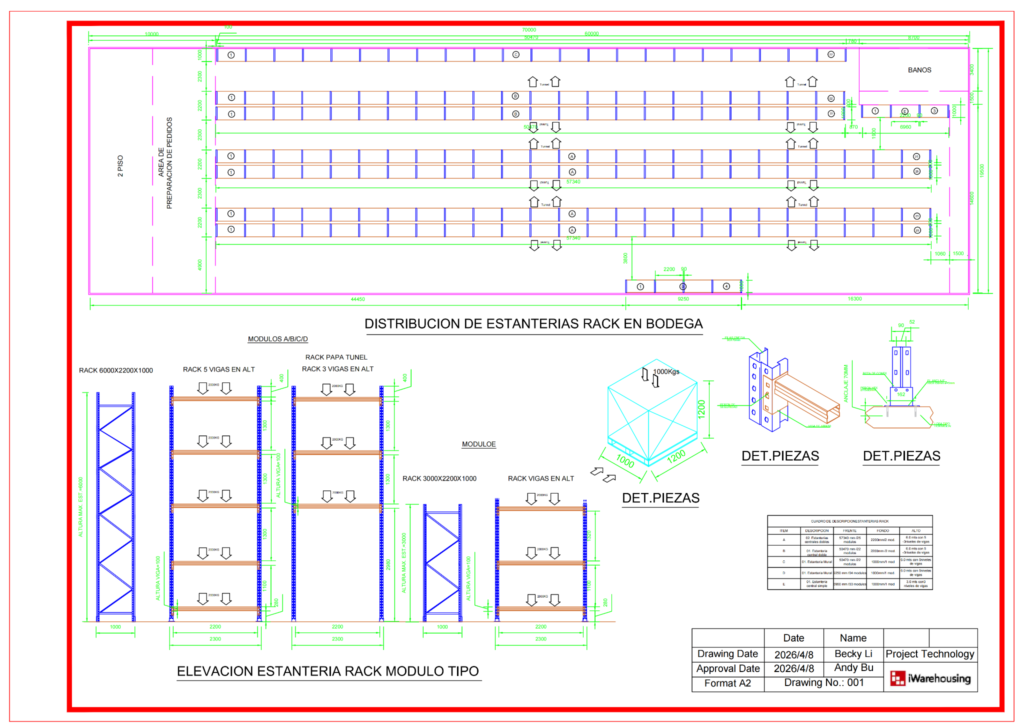
When it comes to designing the layout for a warehouse pallet rack system, it’s all about achieving the perfect balance between storage density and operational speed. Pallet racks must have ample room to store pallets of products on the shelves, while being accessible enough for forklifts to place and retrieve inventory when needed.
In this article, we will discuss key strategies to ensure the pallet racks you source are designed and manufactured with operation and speed efficiency in mind.
Warehouse Space Audit
We start the path of creating space-efficient pallet racking systems by properly assessing the warehouse where the setup will be installed. Expert warehouse management solution manufacturers do this to ensure that the pallet racks will be able to properly utilize the available space in the facility.

Source: iStock
This includes identifying potential obstacles in the warehouse that could hinder the pallet racks from using the entire area. Enough space for the pillars that keep the warehouse stable, sprinkler heads, lighting fixtures, and HVAC must be accounted for, ensuring the racks use the space properly without affecting operations.
Cubic Space or Square Meters?
While both cubic space and volume of the facility are important considerations when making pallet racking systems, the former takes precedence when designing for space efficiency. Keep in mind that aside from a few items, products placed on pallets are three-dimensional, thus occupying vertical and horizontal spaces.
Optimized pallet racking setups must be designed with a greater focus on cubic capacity. To do this, simply multiply the usable square footage of the facility by the clear height, resulting in the cubic space or volume available for the racks to use.
Aisle Width Optimization
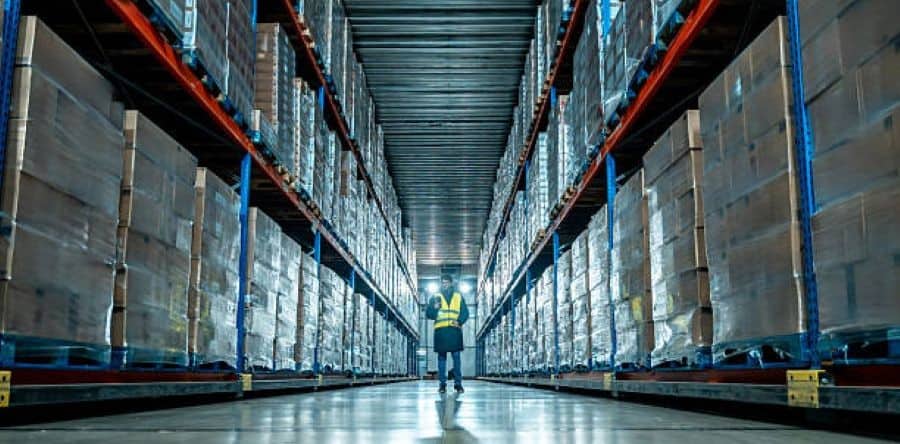
The next factor to consider when designing a pallet rack layout focusing on space efficiency is optimizing the aisle width given to the setup. When racks make the most out of the available space per aisle, it helps make product movement faster, thus improving overall warehouse operations.
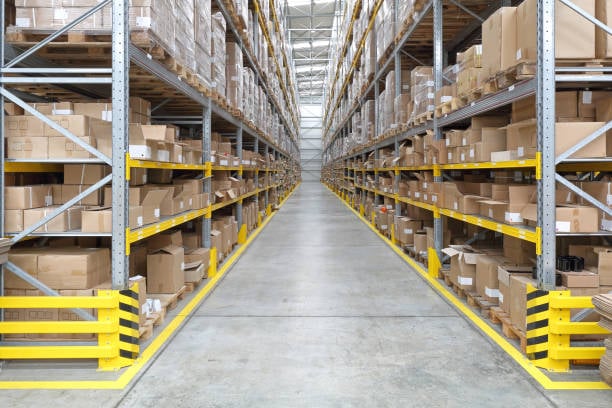
Alt: Warehouse Aisle Width
Source: iStock
Aisle Width Categories
Most warehouses adopt a specific aisle width based on the warehouse’s available space and forklifts used in daily operations. Some of the most common options include:
- Wide aisle: Measuring 11 to 13 feet or 3 to 4 meters, this option is suitable for ordinary counterbalance forklifts. It allows for high flexibility between aisles at the cost of low space utilization.
- Narrow Aisle (NA): Typically coming in at around 8 to 10 feet or 2.5 to 3 meters wide, the setup is best used alongside reach trucks for its deeper storage density. It increases capacity by up to 40% as opposed to wide aisle racks.
- Very Narrow Aisle (VNA): Due to its tighter measurement of 5 to 7 feet or 1.5 to 2.1 meters, it’s best used with specialized turret trucks and forklifts with articulating functions. While it has the highest storage density capabilities, the setup requires additional installations like guidance rails and highly level floors for optimized utilization.
Aisle Width Optimization Tips
- Aisles must be designed to accommodate the largest machine in the warehouse to ensure proper movement.
- To prevent potential bottlenecks, main passageways must be wide enough for safe two-way traffic.
- Choose wider aisles for warehouses dealing with high turnovers, while narrower aisles work best for facilities with slow-moving inventory.
- Adding 1 inch of width per 10 feet of additional height on the racks helps maintain stability for high-reach operations.
Choosing the Right Rack System
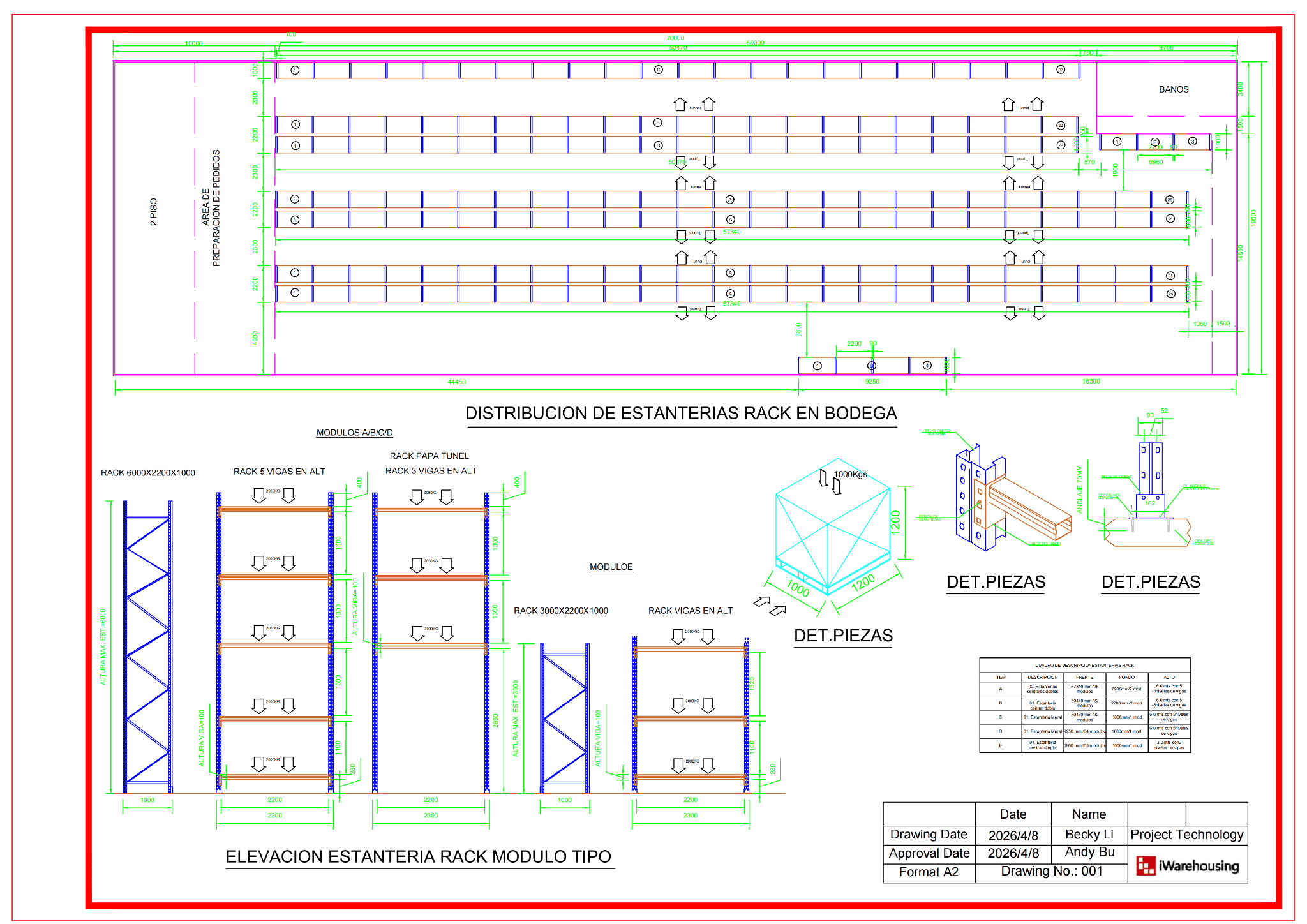
Alt: warehouse drawing
Source: iStock
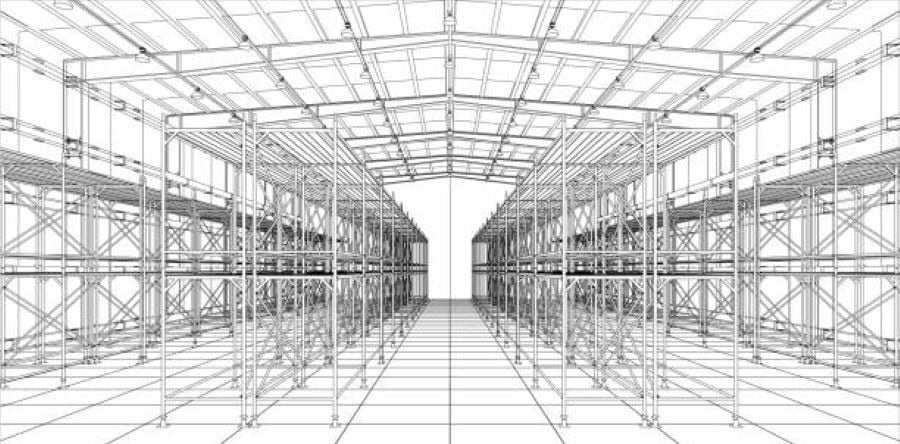
With the basic measurements and details out of the way, it’s time to pick out the ideal pallet racking system that fits the warehouse’s operational needs. Here are five of the widely-selected pallet racking setups and what makes them popular:
Selective Racking
Selective pallet racking systems are one of the most used solutions for cost-effective and highly accessible inventory management. Using a simple setup consisting of upright frames and horizontal beams, it allows forklift operators to quickly store and retrieve products from shelves. It also complements the “First-In, First-Out” or FIFO inventory flow perfectly, making it the best choice for warehouses dealing with diverse SKU quantities and high turnovers.
Double-Deep Racking
Double-deep pallet racking systems take the concept of selective racking setups up a notch, elevating their storage density at the cost of accessibility. Two selective pallet racks are placed back-to-back, resulting in deeper shelves to store more product by up to 30%, and are more compatible with the “Last-In, First-Out” inventory flow. However, it will require the use of specialized deep-reach forklifts to access the pallets.
Drive-In Racking
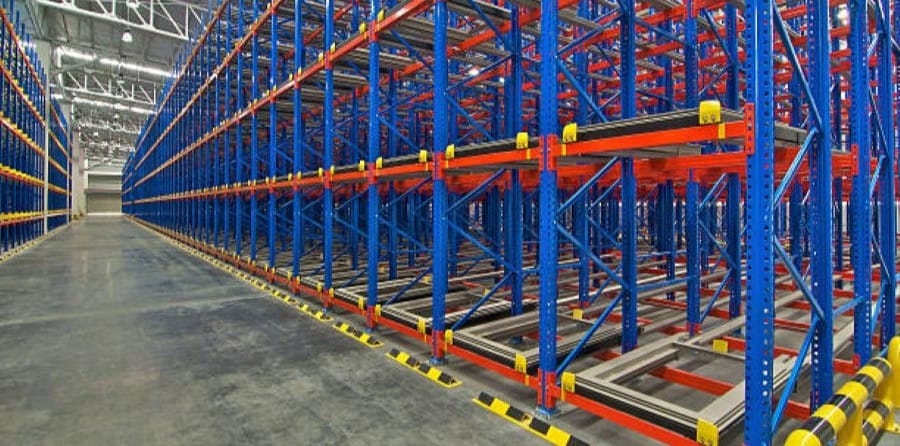
A more robust and well-integrated setup for storing pallets, drive-in racking replaces forklift aisles with storage rails, improving space utilization by nearly 90%. Forklifts enter and exit the structure to store and retrieve pellets, lending itself well to a “Last-In, First-Out” inventory management flow. The setup is ideal for warehouses that store a limited number of SKUs in high quantities.
Gravity Flow Racks
Also called Pallet Flow Systems, gravity flow racks combine gravity and roller tracks to store and move inventory, or flow, within their aisles. It’s fast and efficient processing greatly improves turnover rates of warehouses while reducing forklift traffic on aisles. Additionally, it integrates well with the “First-In, First-Out” flow method, making it ideal for facilities that handle perishable items or require quick product distribution speeds.
Radio Shuttle System
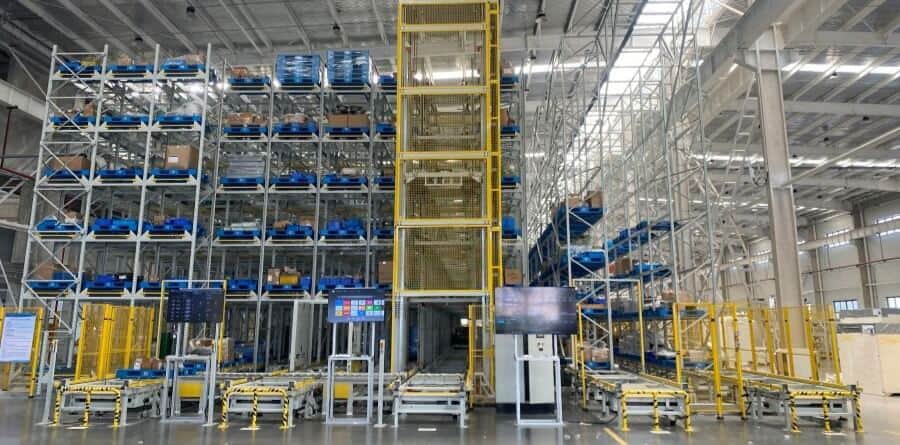
One of the more popular choices for automated deployment, this system maximizes deep storage in facilities while vastly improving production speeds. Instead of relying on forklifts, it uses battery-powered remote-control carts called shuttles to load and retrieve pallets from its deep aisles. Typical applications include food and beverage warehouses, as well as cold storage facilities.
Optimized Workflow & Slotting
Space efficiency doesn’t just rely on the design layout of a pallet racking system – it also needs a proper workflow to achieve desired results.
Application of “ABC” Classification
One of the best ways to develop an efficient workflow is to categorize products according to turnover frequency. Dubbed the “ABC Analysis” classification method, it recommends high-traffic pallets into more accessible areas.
- A Items (aka Fast Movers) – ideally placed in the so-called “Golden Zone,” where they are closer to the shipping and receiving areas for immediate access. Stored on the pallet rack’s floor or lower racks, typically between waist and shoulder height.
- B Items (aka Medium Movers) – placed on the middle section of the pallet racks, these products must still be accessible for fast transit, though they may require more time to move.
- C Items (aka Slow Movers) – usually stored at the back end or at the highest sections of the racking systems. These items take longer to move, and thus are situated in locations where they won’t impede product flow.
Strategic Traffic Flow
Designating the right traffic flow for a warehouse can drastically reduce congestion within the aisles, which can cause delays in moving the product. Depending on several factors, warehouses can implement either a one-way or two-way traffic for optimized workflow.
One-Way Traffic: ideal for facilities that focus more on storage density, this method is optimized for single vehicles moving on the aisles to access the pallets. It poses low safety risks at the expense of slower turnovers.
Two-Way Traffic: best suited for warehouses that deal with quick turnovers and large volumes of fast-moving products, the method allows for forklifts to freely move along the aisles. It makes access to pallets faster, although it will require extra room for clearance and fluidity to prevent congestion.
Dynamic Slotting
Another effective strategy is assigning specific goods to dedicated staging areas for deployment upon receipt. Also called Reserved Cross-Docking, it reduces the time pallets stay on the shelves while maximizing the racing space for products that need more time to move.
Digital Design Trends
There’s no denying that digital technology is used in most industries, including warehousing and inventory management. Adopting innovative trends in the field will help ensure that limited warehouse space is utilized optimally.
Data Twin Technology
Through cutting-edge AI technology, warehouse managers can create a virtual replica of the facility to simulate layouts for storage and picking efficiency. These can be configured according to certain slotting strategies, seasonal product flow, and other scenarios to detect potential issues and ways to address them. This helps reduce operational downtime, as it can plot effective pathways before moving the physical shelves.
Additionally, WMS data collected over time can be used to identify certain zones in the warehouse where there is high and low traffic. Managers can then reconfigure the warehouse setup to properly distribute traffic, creating a more optimized flow.
AMR Utilization
Autonomous Mobile Robots, or AMRs, are starting to see more use in modern warehouses, often as part of a pallet racking system to quickly sort and retrieve products. To maximize the use of these remote assistants, the warehouse must reserve space for the unit’s turning radius, preventing blocking or errors. Moreover, a section must also be assigned for the robot’s charging station, ideally placed on the rack’s ends to avoid movement obstruction.
Common Pitfalls and Tips to Prevent Them
As with many practices, there are certain obstacles to achieving the ideal space-efficient warehouse management setup. We’ve identified common challenges warehouse operators encounter while laying out the pallet racks and provided some steps to address them.
Ignoring Safety Clearances
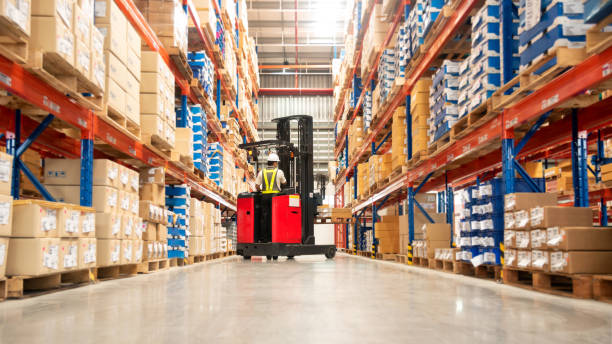
It can be tempting to use every inch of the warehouse’s floor area to maximize storage space and carry more product. However, sacrificing forklift operating pace can lead to frequent collisions, affecting product quality and turnover speed.
Source: iStock
To address this, it’s best to allot enough room for the forklifts to move around the warehouse and access the pallets. Leaving space for the machinery to do its work ensures product safety and faster order fulfillment.
Disregarding Floor Load-Bearing Capacity
Storing pallets on racking systems condenses their weight in a singular space instead of spreading it on the floor. When left unchecked, this could break the floor over time, leading to the product falling and potentially damaging them and the racks. This also applies to locations prone to seismic activity, where earthquakes can cause pallets to fall.
This can be avoided by adhering to legal compliance standards as stated in EN 16681. The standard outlines performance requirements for steel pallet racking systems, along with structural guidelines and recommended tests to guarantee their stability.
Lighting Blind Spots
Adjusting the lighting fixtures after making changes to the layout is another issue commonly neglected, resulting in picking errors or misplaced pallets.
The rule of thumb for warehouse lighting is to synchronize the lighting setup once the shelves are rearranged. Doing so ensures that labels are always within view and unobstructed, letting forklift operators know where to place the pallets.
Achieving Space Efficiency Through Strategic Pallet Rack Layout Design
Maximizing the limited space for better storage density and turnover efficiency is a goal shared by warehouses worldwide. Achieving this goal is a fully involved process, taking place from choosing the right pallet racking system to laying it out in the warehouse. But it doesn’t end there, as plotting a proper workflow and addressing common pitfalls will optimize how the space is used.
Need help with pallet rack layout design? Let the experts at iWarehousing be your partner for success! Our decades of experience in the industry will be your guide to selecting the right pallet rack according to your business needs. Get in touch today to start the process!