In an industry where innovative technology and complex setups exist, the simple and straightforward selective pallet racking system remains the most popular option in global logistics. Consisting of upright frames and a couple of beams, it provides warehouses with a flexible inventory management solution that allows unrestricted access to pallets while maximizing available space.
However, as with any product in the market, selective pallet racks also has its share of restrictions. This article will dive into the numerous advantages and disadvantages of selective pallet racking, providing you with key points to consider before making a purchase.
Advantages of Selective Pallet Racking
Selective pallet racking systems offer a wealth of advantages despite their simple and uncomplicated design. In this section, we will enumerate the setup’s main strengths, along with practical applications where it boosts warehouse operations.
High Accessibility and Selectivity
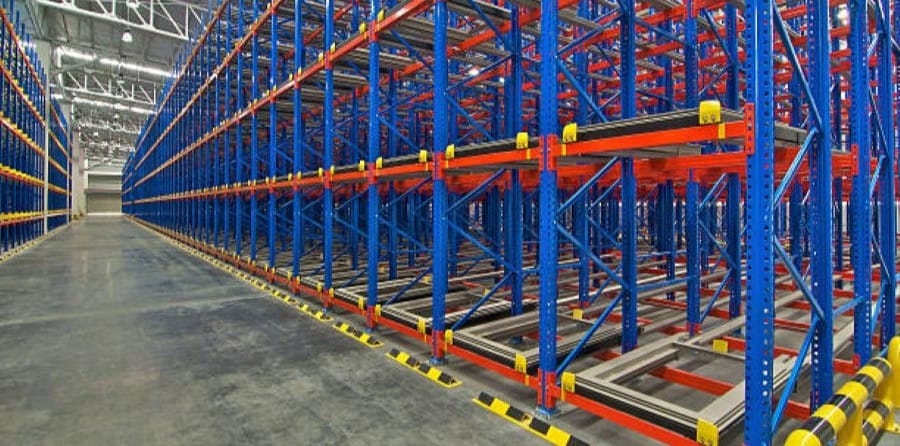
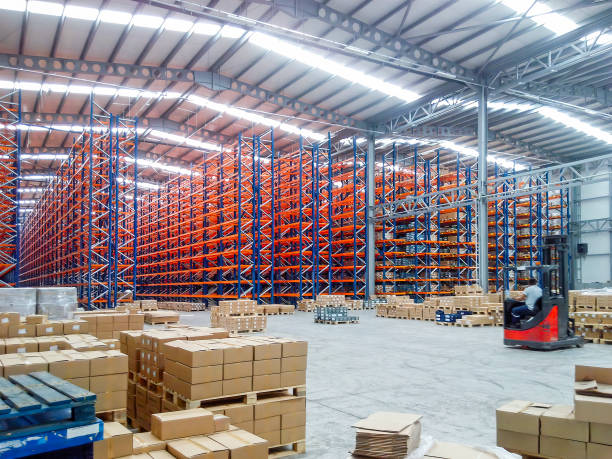
A key advantage of selective pallet racking systems is their single row setup, allowing forklift operators unrestricted access to the products. Every pallet can be stored and retrieved easily from the shelves without the need to move other pallets on the same row. Also, as pallets are arranged in a single row, no product is blocking the other, drastically reducing “honeycombing” or wasted space in between the rows, as high-density setups experience.
Source: iStock
Moreover, the setup that selective pallet racking uses lends itself well to warehouse operations that carry multiple SKUs at one time. SKUs can be stored independently on rows without interrupting product flow or arrangement, improving order fulfillment speeds.
Perfect Alignment with FIFO Inventory Flow
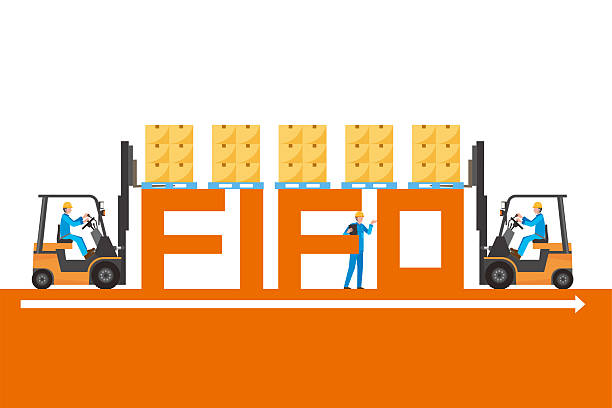
The First-In, First-Out or FIFO is an inventory flow method used in various warehouses, where the first product that enters the facility is also the first to ship out. The method helps minimize product obsolescence and spoilage while ensuring product quality, especially for sensitive products. It is typically seen in warehouses for food and beverages, pharmaceuticals, and cold storage facilities, where most products have expiry dates.
Source: iStock
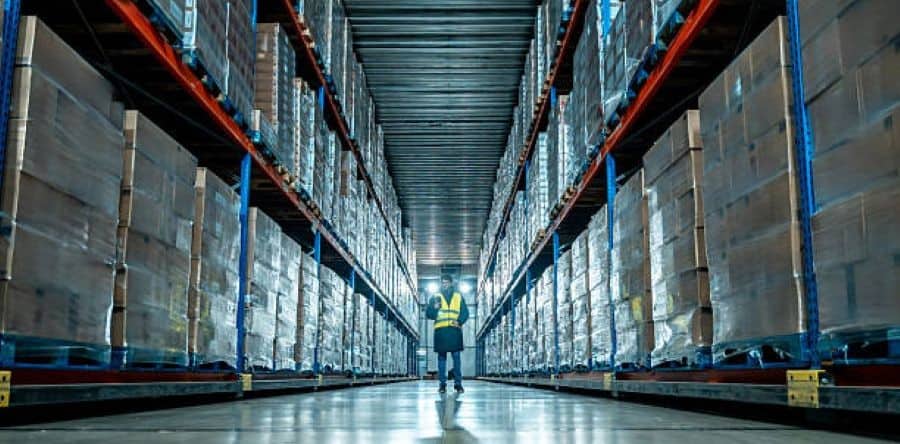
Selective pallet racking setups are the ideal infrastructure for the FIFO method, as it focuses on pallet accessibility and 100% selectivity. Unlike its high-density counterparts that store pallets in front of each other, thus trapping older pallets at the back, selective racks have pallets face an open aisle. This setup allows forklifts to immediately access each pallet with no hindrance, ensuring products move according to the time they were received.
Aside from easier access to the pallets, selective pallet racking also facilitates faster monitoring of product expiry dates and conditions. Helps maintain strict quality control of sensitive inventory that complements constant supply chain rotations.
Handling Multiple SKUs
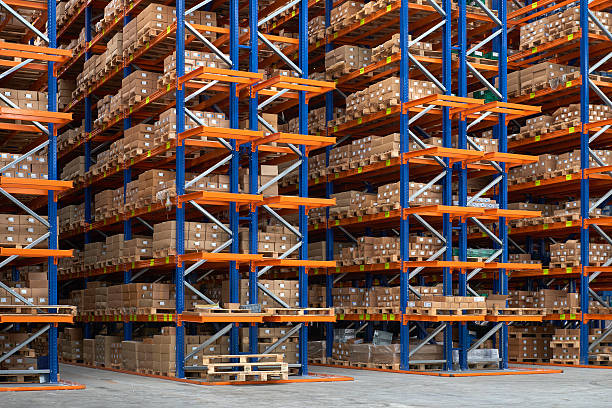
While some warehouses handle limited product types, other facilities are responsible for storing and managing hundreds of unique product types at any given point. Handling this amount of inventory requires not only stricter storage management but also quick and unrestricted access to the product.
Source: iStock
Selective pallet racking systems are the perfect inventory management solution for warehouses storing and moving multiple SKUs. Thanks to its single-row configuration, the setup allows operators to move inventory without disrupting other SKUs, making order selection fast and accurate. Some even reconfigure selective pallet racks to facilitate simultaneous order picking and completion, further enhancing warehouse efficiency.
Easy Reconfiguration
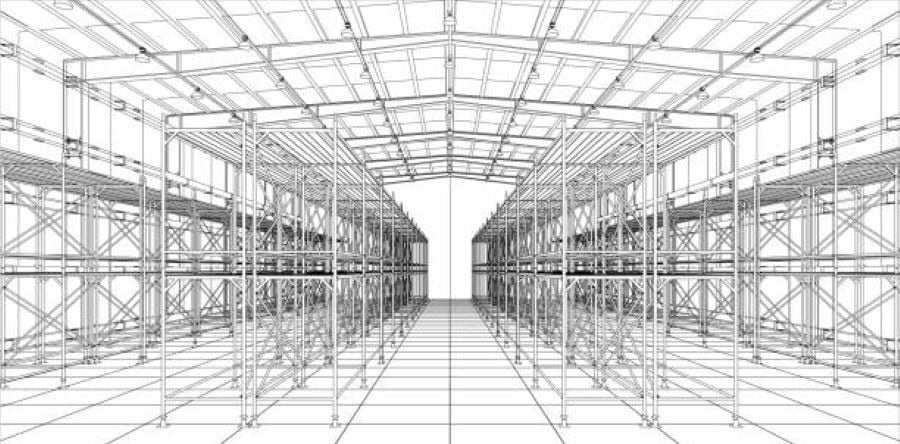
Speaking of reconfiguration, another strength of selective pallet racking setups is their vast flexibility and easy installation. As these pallet racks are typically formed with a combination of upright frames and horizontal beams, they can easily be configured with minimal installation downtime.
What’s more, the beams can be unclipped and moved to accommodate shifting business needs. Whether it’s to increase the pallet heights or to add more rows for SKUs, selective pallet racks can be reassembled to size without interrupting operations.
High Compatibility
Equipment compatibility is essential for warehouses to maximize their investment without spending more on securing specialized machinery. Selective pallet racking systems excel in this aspect, as they can be easily expanded and reconfigured as the business grows, making it an investment that can be used for a long time. The setup can also be disassembled and relocated to different areas of the warehouse, addressing demands for new product storage.
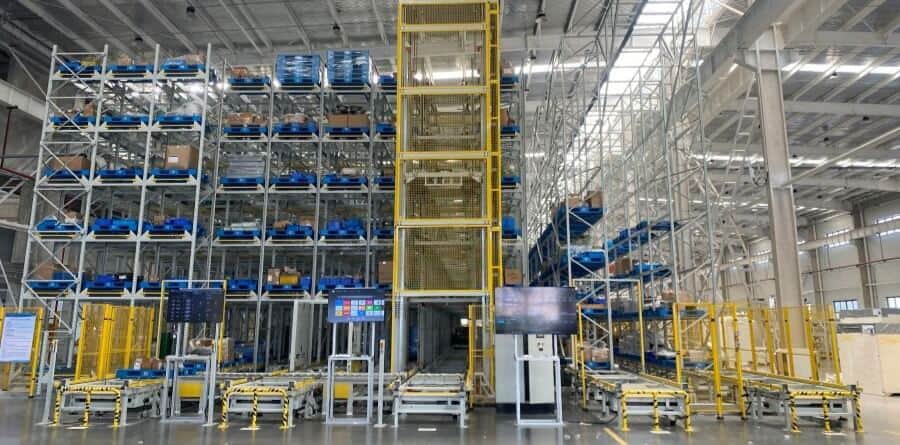
Additionally, selective pallet racks can work with existing machinery in the warehouse, eliminating the need to purchase specialized forklifts or other equipment. Plus, it can be integrated with other machines, like carton flow and conveyor belts, to create automated assembly lines for faster order fulfillment.
Enhanced Structural Safety
The open aisles of selective pallet racking systems provide operators with a better view of each pallet, significantly improving warehouse safety and product management. It also secures the pallets while holding them, preventing any damage to the equipment, the structure, and the goods.
And unlike drive-in systems, where the frames are at risk of collision due to constant contact with moving equipment, forklifts stay on the aisles as they retrieve the product. This reduces the chances of damaging the pallet rack’s structure, minimizing impact damage and extending its service life.
Disadvantages of Selective Pallet Racking
Despite the numerous advantages of selective pallet racking systems, there are also certain limitations to using the setup. Now that we’ve discussed its strengths, it’s time to focus more on some disadvantages of using this inventory management solution.
Low Storage Density
The first of several challenges selective pallet racking systems face is their inherent low storage density. Since the setup focuses on product accessibility and selectivity, each horizontal beam can only hold a single row of pallets at one time. This limits the amount it can hold per SKU to a single pallet, although similar SKUs can be placed on a single row.
Increased Real Estate Costs
Another challenge when utilizing selective pallet racking setups is the additional space needed for forklifts to move and access the pallets. As forklifts are used for inventory circulation, there should be enough horizontal and vertical room for the machines in between the racks. Not only does it prevent the maximization of the warehouse’s available space, but it also makes it unfit for smaller warehouses or those situated in expensive locations.
Limited Vertical Height Potential
While selective pallet racks can be expanded and customized to fit warehouse requirements, they can only go so far vertically. The pallet rack’s upright frames have a limited range that can’t match what drive-in racking setups allow. And if choosing to increase its height, additional configurations would be needed, costing extra time and money.
When to Choose Selective Pallet Racking Systems?
With the advantages and disadvantages of selective pallet racking systems fully identified, it’s time to ask the all-important question: “Should I get a selective pallet rack?” To make your choice easier, we’ve placed the key features in a comprehensive table of selective racking vs. double deep racking, selective racking vs. drive-in racking.
| Feature | Selective Racking | Double Deep Racking | Drive-In Racking |
| Accessibility and Selectivity | 100% selectivity, with full access to pallets | Limited selectivity, pallets need to be moved for access | Low selectivity, pallets are arranged in columns that limit accessibility |
| Inventory Flow | Compatible with the FIFO method | Ideal with the Last-In, First-Out (LIFO) method | Works best with the Last-In, First-Out (LIFO) inventory flow |
| Storage Density | Low, only one row of pallets per level | Medium; offers 2 rows to store pallets | High; allows for multiple pallets to be stored per column |
| SKU Volume | Extremely high, capable of managing hundreds of SKUs | Medium, ideally 2 pallets per SKU | Low; can only handle high volumes of similar SKUs |
| Reconfiguration | Easy to assemble and reconfigure | Combines 2 selective racks | Low; requires a complete overhaul to reconfigure the setup |
| Совместимость | Fully compatible with standard forklifts and other warehouse machinery | Works best with forklifts with telescopic or scissor features | The setup is compatible with several types of forklifts and machinery |
| Structural Safety | Keeps frames at a good distance away from the machinery | Good distance between forklifts and frames keeps it safe from damage | Frames are at risk of damage due to constant contact with forklifts |
| Investment Costs | Low initial costs and offers great ROI | Higher cost as it requires double the amount of selective racks | High initial investment, as it needs a specialized setup |
Selective Pallet Racking: Striving for the Balance Between Efficiency and Accessibility
It’s always good to look at the advantages and challenges of a storage management solution before purchasing, as it gives a good understanding of whether it fits your warehousing needs. While selective pallet racking systems offer several advantages that make them beneficial for any warehouse, it also has limitations that need consideration. If your warehouse focuses on high SKU density and fast turnovers, then it would help optimize your operations.
Whenever you’re sourcing your first selective pallet racking system or planning to expand your setup, trust the expertise of iWarehousing to meet your needs. We’re industry leaders in designing and manufacturing custom selective pallet racks at competitive prices. Talk to our team today and grab a free quote!