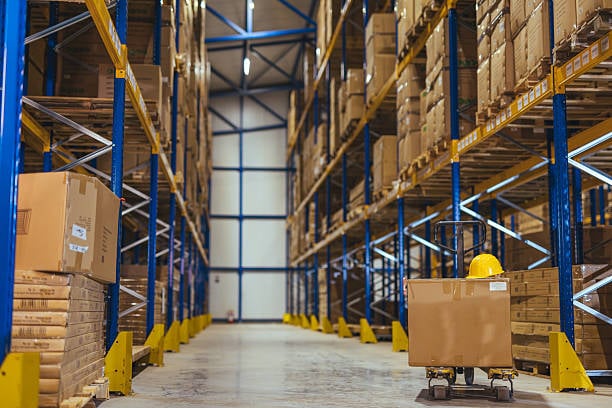
Many warehouse managers have the idea that pallet racking systems are static pieces of equipment, thus ignoring maintenance needs like those of structural buildings. Warehouse accidents can cost businesses a significant amount, from losing investments on damaged or destroyed products to legal and medical costs for injured personnel. In the US alone, work-related injuries in warehouses exceeded $176.5 billion in 2025, with employers paying $1 billion weekly in 2023.
As your dedicated partner in warehouse racking system solutions, we’ve prepared an article to improve security in warehouses worldwide. From manufacturing and installation to routine checks and daily operation, these reminders aim to reduce expenses while improving worker safety and return on investment.
What are the Global Standards for Pallet Racking Safety
The global warehousing market utilizing pallet racks adheres to a wide set of standards for safety and legal liability. These benchmarks help ensure operational safety and efficient pallet racking, no matter the region where users are located. Below are some key requirements followed worldwide:
| Focus | Legal requirements and recommendations |
| Load-bearing markings | Shelves must have clear and legible labels indicating the maximum allowable load per rack. |
| Inspection frequency | Regular inspections are required to maintain optimal conditions, ideally conducted by competent personnel with results kept for reference. |
| Column protection | Physical protective accessories must be installed, especially in areas often exposed to forklifts, like upright beams. |
| Verticality | Tilt angles on pallet rack shelves must be within 1/240 per RMI requirements. |
Although the core logic regarding pallet racking safety remains largely the same across the globe, some countries apply specific provisions on how they manage pallet racking. Here are some major authoritative regulations and guidelines recognized globally:
American Standard: RMI (Rack Manufacturers Institute)
The ANSI MH16.1 is the main American National Standard for designing, testing, and installing storage management systems, particularly pallet racks, flow racks, and automated systems. Recently updated in 2023, this details the ideal load-bearing calculations and structural requirements businesses should follow for various pallet racks. For cantilever racks, the market follows the safety standards as detailed in ANSI MH16.3.
European Union Standard: EN 15512
The European Union adheres to the EN15512 for structural design and maintenance of adjustable pallet racking setups. Recently updated in 2020, it provides specific procedures for weekly and annual inspections. It also defines the criteria for various damage levels, broken down as red, yellow, and green.
British Standard: SEMA
Great Britain follows strict standards drafted and implemented by SEMA, or the Storage Equipment Manufacturers’ Association. Enjoying a strong international reputation for their quality control, their guidelines for rack installation safety and inspector certification are followed by the region.
Warehouse Racking Safety Starts from Design & Manufacturing
A truth about warehouse racking systems is that they’re only as good as how they’re designed and manufactured. No matter how much you plan or spend on the pallet racks, if they’re not properly built, they won’t handle the task properly. Moreover, they can pose serious risks to your products and the warehouse personnel.
Global pallet racking system manufacturers like iWarehousing follow a strict set of guidelines when designing and crafting the pallet racks. Let’s look at four key points in this regard.
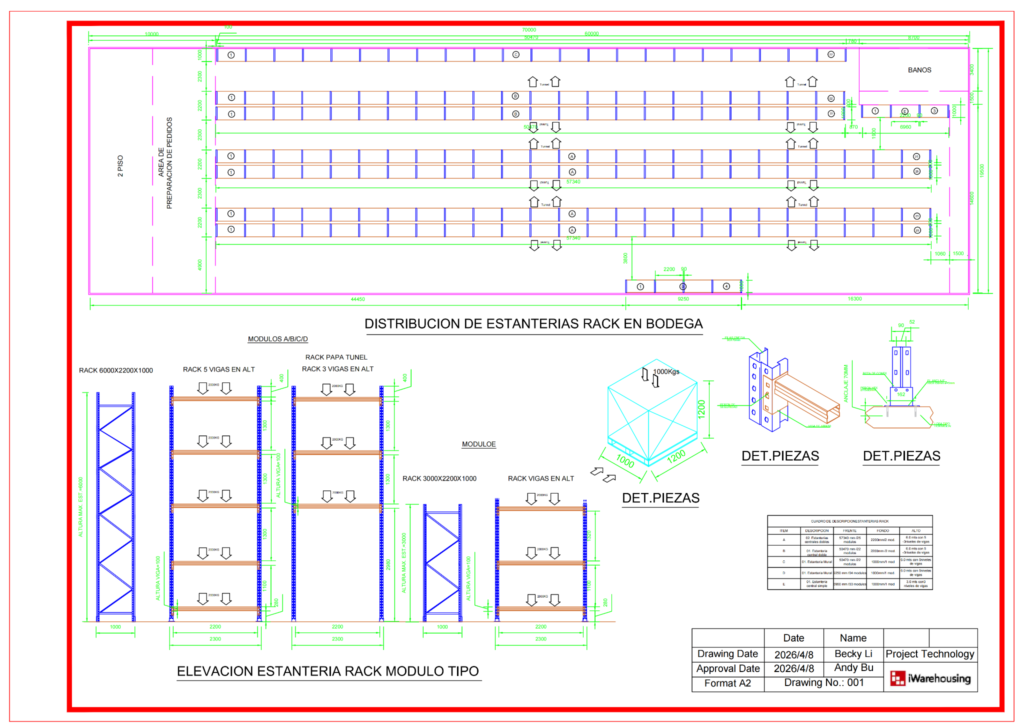
Compliance Design
First off, designs for warehouse pallet racks should be handled by professional engineers based on expected loads, warehouse dimensions, and ground-bearing capacities. Location must also be accounted for in the design process, factoring in seismic requirements for areas prone to constant earthquakes.
High-Quality Raw Materials
Next, it’s important to use the best raw materials when manufacturing stable and durable warehouse pallet racking systems. While they may cost more than alternatives with lower quality, opting for the better option will ensure the pallet racks can properly sustain the pallets without breaking. Plus, better materials can help the structure to prevent damage, especially for large-sized racking and racking systems that are in constant contact with forklifts.
Qualified Production Process
Following a standardized production and assembly process is equally crucial to the stability and performance of the pallet racks as the design phase. The production process should abide by approved industry standards, as it guarantees that the completed pallet racking system can be used across multiple regions.
Strict Quality Control System
Once the warehouse pallet racking system is fully assembled, it undergoes a series of inspections and tests to validate its structural integrity and stability. Not only is this a vital part of the manufacturing process, but doing these inspections will give end-users the confidence that their investment will result in better performance within their warehouses.
Pallet Racking System Installation for Safety
It’s one thing to follow manufacturing standards when making the pallet racking system; it’s another thing to install them in warehouses according to global benchmarks. Proper installation of every pallet racking setup guarantees the utmost stability and reliable performance once the pallets are loaded on it. Some details professional installers look into during the process include:
Key Installation Considerations
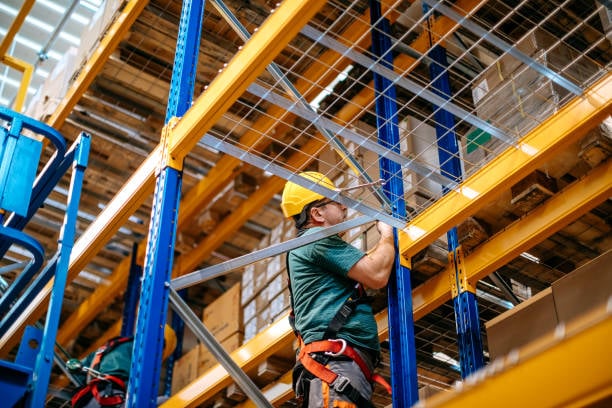
Posts must be securely anchored to the ground using the right anchor clips, giving the pallet rack a stable footing. If installing the racks in a seismic-prone area, it’s recommended to set the right base with thicker concrete slabs and anchors.
Source: iStock
Crossbeams should be tightly secured on the frames with several safety pins on all sides, making sure they won’t move accidentally. This helps prevent the crossbeams from falling due to any upward impact caused by the forklift.
Each level must have load signs clearly displayed on the front, indicating the maximum load limit. Having this label in clear view will remind forklift operators when loading the pallets on the pallet racks.
Strict Alteration Guidelines
Altering any part of the warehouse pallet rack without proper authorization is strictly prohibited, as any change to the setup can cause instability to the structure. Every upright frame, beam, anchor clip, and other pieces used in the installation are carefully calibrated, and simply moving the beam height will severely affect its stability. If alterations are needed, make sure to secure the right permissions.
Operational Safety Best Practices
Once the warehouse pallet racking system is securely installed, it’s best to follow proper safety protocols when using the setup. No matter the region or pallet racking type used, there are set standards that operators should adhere to for safety and pallet movement efficiency.
For Pallet Management
Ideal stacking height must always be observed when loading pallets on the racks, making sure the weight is equally distributed on the beams. This keeps pallets stable during storage, preventing them from tipping or falling on the aisles. Additionally, pallets must be in good condition for use; damaged, rotten, or non-standard pallets should be disposed of immediately.
For Warehouse Environment
Warehouse aisles must be kept clean and unobstructed, giving ample room for forklifts to move around and access the pallets. There should also be adequate lighting during operational hours, so pallets and other obstructions are clearly seen by operators. Moreover, safety signs must not be obscured and must be visible at all times.
For Forklift Drivers
Forklift operators are recommended to maintain a low driving speed and maintain a proper turning radius when moving around the warehouse. Operators are also advised to follow a “level in, level out” process when loading pallets on the racks, where pallets are placed horizontally and aligned with the center.
Pallet Racking Protection & Guarding
Part of the pallet racking management is keeping the racks and pallets properly secured, which not only prevents structural damage but also reduces potential injury to personnel. These measures also ensure maximum profit for businesses, as it extends the equipment’s service life while minimizing inventory loss due to forklift collisions. Some practical ways to implement security and protection protocols include the following:
Post Protectors
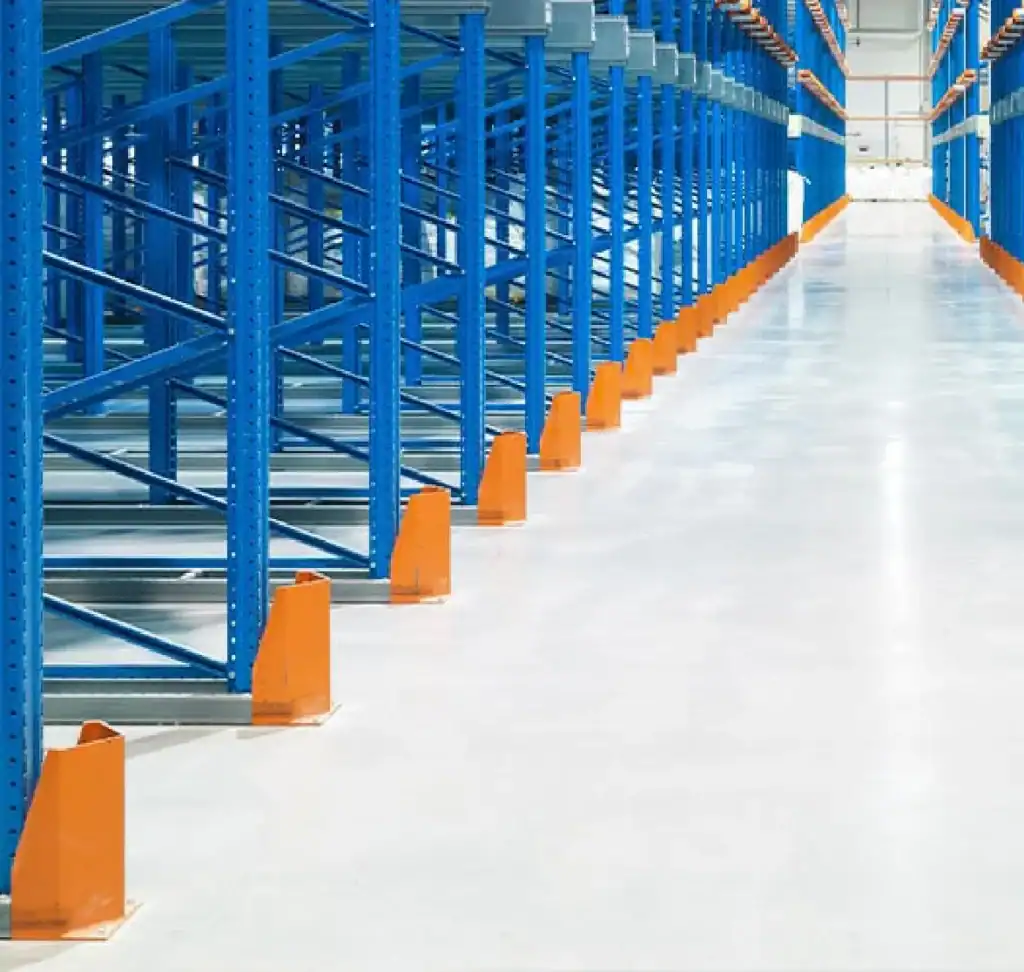
Install anti-collision devices like upright protectors made from steel or high-density plastic on columns frequently exposed to high-traffic areas, such as ends of passageways. These attachments absorb the impact from incoming forklifts as they turn to the aisle, reducing structural damage that can lead to the rack collapsing.
Row Protection
When loading pallets on racking systems, there’s a possibility that they could slip and fall, causing damage to the inventory. Adding tie rods and fall protection nets on the back of each rack helps prevent goods from falling over, especially for single-row racks.
Wire Decking
The inclusion of wire decking accessories on each pallet row greatly improves the safety and efficiency of cargo support equipment. These accessories also give enough breathing room that certain types of products may need, along with facilitating the operation of fire sprinkler systems in the event of a fire.
Periodical Inspection & Maintenance
Maintaining the optimal condition of warehouse inventory management systems requires constant inspection and proper maintenance from qualified personnel. Global and regional safety guidelines have indicated steps on how to handle the inspection and incident reporting process; following these steps will ensure the equipment will be within acceptable benchmarks.
Inspection Process and Frequency
As pallet racks see regular use, their stability, structural integrity, and condition should be looked after as often as possible. Inspections for pallet racking systems come in two parts: a weekly review and an annual audit.
- Regular visual inspections – done weekly by the warehouse supervisor, checking for any visual damage on the structure.
- Annual professional audit – ideally conducted by professional inspectors with certifications from SEMA or similar bodies. They review the entire pallet rack, noting any areas that need repairs or replacements.
Incident Reporting
Employees should immediately report any collisions to management, detailing what happened and if the racks or inventory sustained any damage. Reports should also be properly documented and filed for future reference. To encourage reporting, safety protocols recommend not punishing any employee who reports the incidents.
Damage Severity Assessment
Any damage the pallet racks sustain should be documented and addressed quickly to prevent further issues. Most security protocols follow a color-coded system based on internationally accepted standards.
- Green: minor damage to the structure, ideally recorded and monitored by security personnel.
- Amber/Yellow: significant structural damage that would need maintenance to address, though not grave enough to warrant dismantling. Typically has a 4-week monitoring window.
- Red: severe structural damage to the pallet rack; pallets must be removed immediately, and the area must be sealed off to minimize operational downtimes.
Being Vigilant on Common Warehouse Hazards
Whether due to long-term use or exposure to the elements, warehouse pallet racking systems tend to deteriorate over time. Leaving crucial indicators of damage could lead to larger damage, resulting in potential dangers to the products stored on them or the personnel within the facility.
Global security and safety guidelines outline some critical hazards that warehouse personnel should pay attention to when monitoring the pallet racks. Once any of these are identified, the issue should be quickly addressed, either through repair, parts replacement, or removing the entire unit from the warehouse.
Some potential hazards for pallet racks include:
- Metal corrosion due to humid environments or chemical spills
- Bended beams beyond the allowable proportion when carrying loads, like 1/180, for example
- Twisted or dented beams caused by impacts from forklifts
- Loose bolts or broken welds within the structure
Maintaining Pallet Rack Safety for Operational Consistency
Warehouse inventory management solutions are a significant investment that helps facilities store and manage their products. As such, keeping them in ideal working condition will ensure that the investment is not only well spent but also improves warehouse operations.
To guarantee operational safety and prevent any harm to personnel, pallet rack manufacturers and end-users should follow international and regional guidelines. From designing and making the pallet racking systems to installation and operation, these regulations must be adhered to at all times.
Trust the expertise of iWarehousing to create your inventory management solutions in accordance with international guidelines. We strictly follow regional regulations, along with providing you with best practices for safe, long-term use. Get in touch with our team today to learn more about our safety and quality practices.