
Turn to iWarehousing for rivet shelving solutions that address the storage management needs of your target market. Made with high-quality Q235B steel and surface-coated for improved durability and resistance, our rivet shelving systems can provide reliable and long-term storage solutions for any industry. Moreover, our rivet shelving is easy to install and requires minimal maintenance, perfect for small-scale warehouses.
Trust our expertise to meet your diverse demands with reliable and consistent results. We take pride in our professionalism and transparency, keeping you in the loop from start to end.
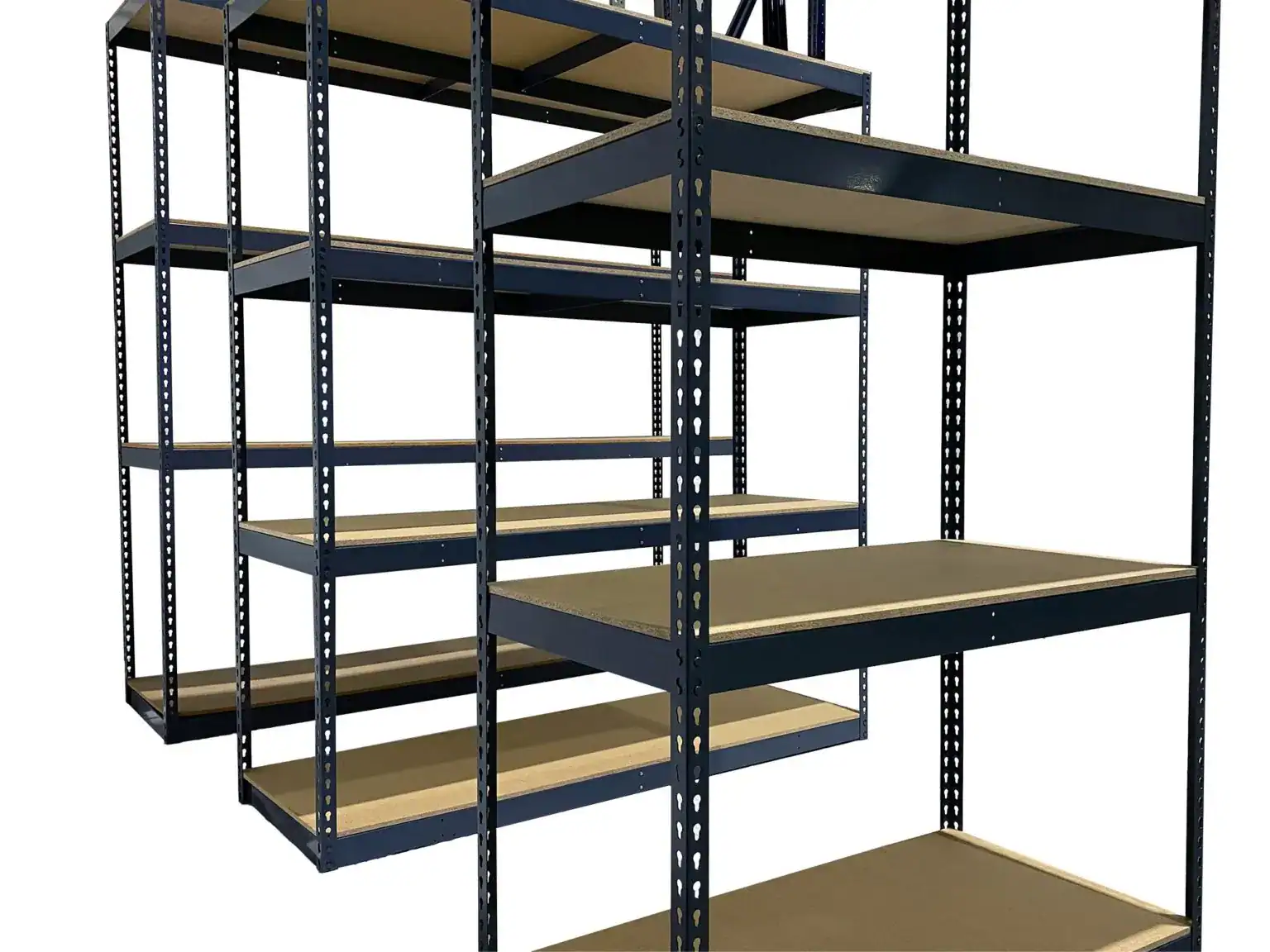
Ideal for storing tools, boxed parts, and other small to medium-sized goods, making it perfect for organizing lightweight inventory efficiently.
Supports approximately 100 kg per shelf, suitable for light-duty storage needs, ensuring stability without overloading.
Suitable for use in homes, offices, and factories, offering flexibility for various environments requiring accessible storage solutions.
Features a simple assembly process with rivet connections, allowing quick installation without specialized tools, ideal for frequent reconfiguration.
Optimized for regular human handling or use with hand trucks, facilitating convenient and efficient retrieval of stored items.
Built with sturdy materials to withstand repeated use, providing a cost-effective storage option for light-duty applications.
Rivet shelving is ideal for storing lightweight items (up to 100 kg per shelf) that require frequent manual access or movement with hand trucks. It is particularly useful during peak inventory management periods or when new storage spaces need to be set up quickly. Ideal for:
| Beam Length (mm) | Frame Heights (mm) | Frame Depth (mm) |
|---|---|---|
| 1372 | 2438 | 838 |
| 2591 | 3048 | 914 |
| 2743 | 3658 | 1067 |
| 3048 | 4267 | 1219 |
Whatever your market is looking for in rivet shelving systems, iWarehousing can deliver. We offer a selection of customization options that allow for full modification of rivet shelves according to specific requirements, including custom design, hole patterns, and surface coating. Simply let our expert designers know your demands, and we can provide detailed design drafts within three days for approval.

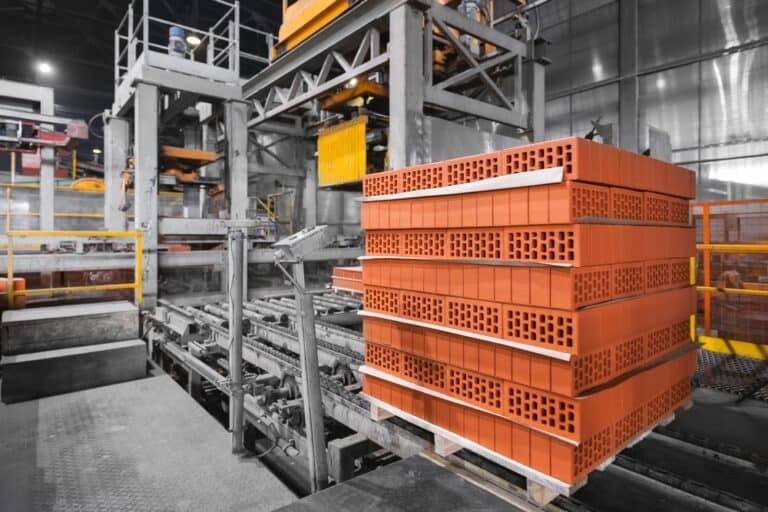








iWarehousing handles the entire production process in-house, ensuring consistent quality every step of the way.
We use the latest laser cutters, steel rollers, automated punchers, and other machinery for fast and efficient production.
Keeping production costs low helps maximize your budget and increase profitability without compromising quality.
From routine quality inspections to rigorous product testing, we make sure our shelves exceed industry standards.
Seasoned designers and engineers leverage 10+ years of experience to meet your requirements with exceptional results.
From initial contact to packaging and shipping, our team will be with you for a seamless sourcing experience.
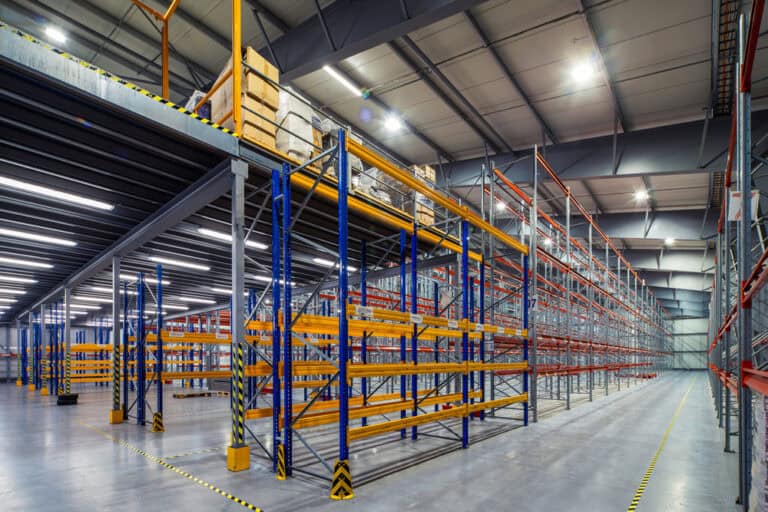
Rivet shelving is a robust and widely-used type of boltless storage system. Its defining feature is the use of beams with permanently riveted connectors that securely lock into keyhole-shaped slots on the upright columns. This design creates a rigid, rattle-free connection known for its strength and rapid, tool-free assembly.
The system operates on a simple, secure mechanism: Steel uprights are punched with a series of keyhole slots. Shelving beams have welded end plates with riveted, upward-angled tabs. To assemble, the beam’s tabs are inserted into the wider part of the keyhole and then dropped down into the narrow, locked position. Disassembly reverses this process. No tools, nuts, or bolts are required.
It delivers a proven balance of strength, value, and ease of use:
1) High Strength & Stability: The riveted connection provides excellent load-bearing capacity and rigidity, reducing sway.
2) Cost-Effectiveness: Offers a very favorable initial investment cost per storage position while delivering durable performance.
3) Tool-Free Assembly & Adjustability: Shelves can be reconfigured quickly by hand to adapt to changing inventory needs.
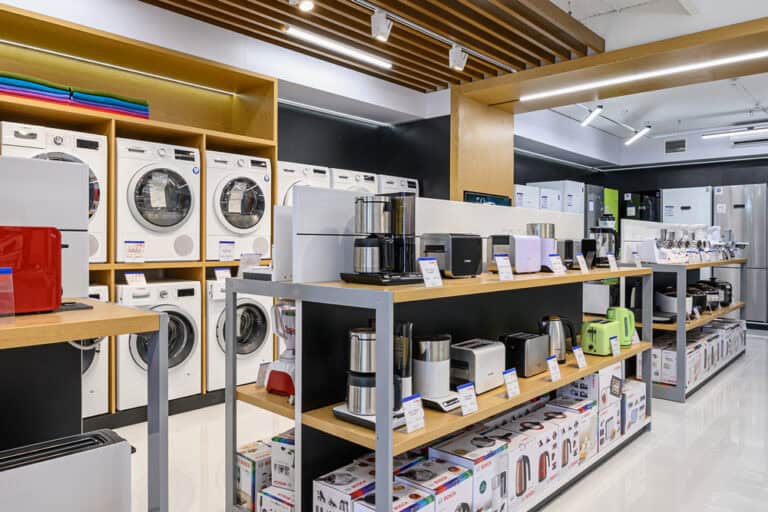
Its versatility makes it suitable for a vast array of medium-duty storage applications, including: General warehousing for boxed goods, industrial workshop parts storage, retail stockrooms, archive and filing systems, e-commerce fulfillment centers for picking operations, and garage or facility maintenance storage.
Rivet shelving supports various decking options to suit different needs:
Particle Board: Standard choice for general box storage.
Wire Mesh Decking: Allows light/air flow and visibility; ideal for cleanliness or drainage.
Steel Sheet Decking: Provides maximum durability and load capacity for heavy parts or tools.
Yes, it is a primary subtype of boltless shelving, but with distinct mechanical differences. While both are tool-free, rivet shelving uses a positive mechanical lock (tab-in-keyhole) and is often perceived as slightly more rigid for very heavy, uniform loads. Clip-style (pin-style) shelving uses spring-loaded clips and is renowned for ultimate speed and ease of adjustment. Rivet shelving remains a classic, cost-conscious choice for a wide range of static storage needs.
Yes, mobility can be added for space optimization. Standard rivet shelving units can be equipped with heavy-duty caster kits (for full mobility) or mounted on track systems (for carriage-based, high-density mobile aisle systems). This transforms static storage into flexible layouts, ideal for environments where floor space is at an absolute premium and access frequency to specific aisles is lower.
Follow this practical planning process:
Assess Storage Needs: Define the size, weight, and type of items to be stored. This determines the required beam capacity, shelf depth, and decking material.
Plan the Layout: Measure your space and sketch a layout. Consider aisle width for personnel or cart access. Group similar items together. Anchor freestanding rows together for enhanced stability, especially for taller units.
Select Components: Choose the appropriate upright height, beam length, and shelf decks. For heavy, dense loads, opt for shorter beam spans and steel decking.
Implement with Efficiency: While assembly is tool-free, ensure the first upright is perfectly plumb, as others will align to it. Follow the simple insert-and-drop sequence for all beams. For mobile applications, ensure the floor is level to prevent unwanted movement.
Maintain & Optimize: Periodically check that all beams are fully seated in the locked position. Reconfigure shelf heights as inventory changes to continuously maximize space utilization.