
Warehouses with limited floor space typically struggle with storage space. But with iWarehousing’s multi-level shelving solutions, that’s no longer a concern.
Made with high-grade Q235B steel, this shelving system takes advantage of a warehouse’s vertical space to exponentially multiply storage space. It is also highly scalable, providing more storage options that can be manually accessed for improved inventory management and faster order fulfillment.
Additionally, iWarehousing offers a one-stop sourcing experience via a range of client-centric services. From robust customization to flexible payment options, we’re here to help your business grow.
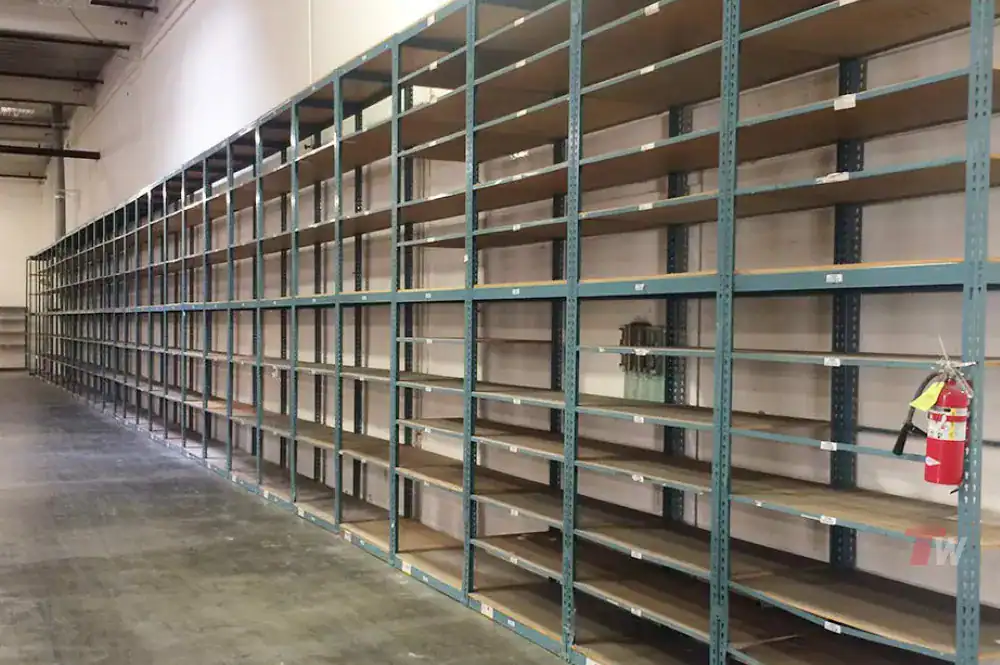
It enables the efficient use of vertical space with its multiple levels and is ideal for storing a wide range of items, from lightweight goods to heavy goods.
It supports significantly higher weights per level depending on the design and is suitable for bulk storage needs.
It offers adjustable shelf heights and configurations, allowing it to adapt to specific inventory sizes and future expansions.
Built with robust steel or reinforced materials to ensure long-term durability under heavy use in demanding environments.
Compatible with ladders, forklifts, and mechanized systems to facilitate manual and automated access to upper levels.
Maximizes floor space utilization, making it ideal for storing large quantities of goods in small spaces.
It is best used during inventory expansion, warehouse setup, or seasonal stock increases, especially when vertical space is underutilized. It’s ideal for scenarios requiring organized storage, such as new product launches or transitioning to larger-scale operations.
| Beam Length (mm) | Frame Heights (mm) | Frame Depth (mm) |
|---|---|---|
| 1372 | 2438 | 838 |
| 2591 | 3048 | 914 |
| 2743 | 3658 | 1067 |
| 3048 | 4267 | 1219 |
While standard multi-level shelving can work for some industries, others may require bespoke shelving solutions. iWarehousing caters to this with a selection of customization options that allow you to create unique warehouse storage systems. With our expert designers, you can modify various aspects of the multi-level shelves, including the design, layout, hole pattern, and surface coating, among others. We can even provide professional recommendations for better performance.

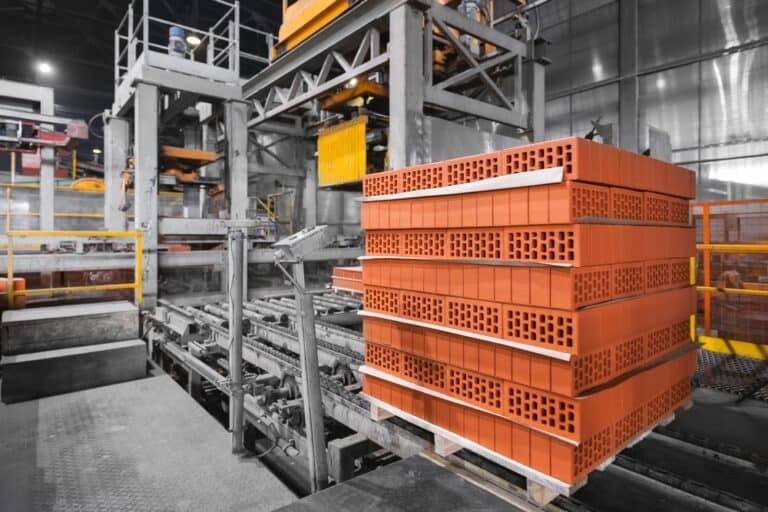



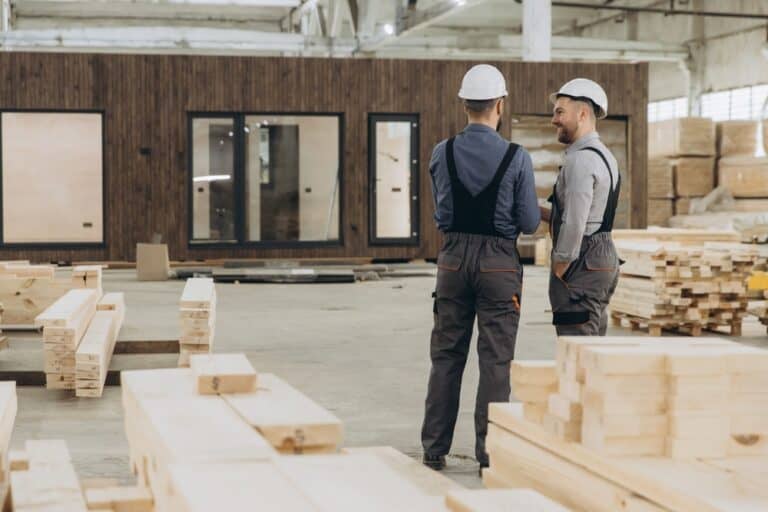

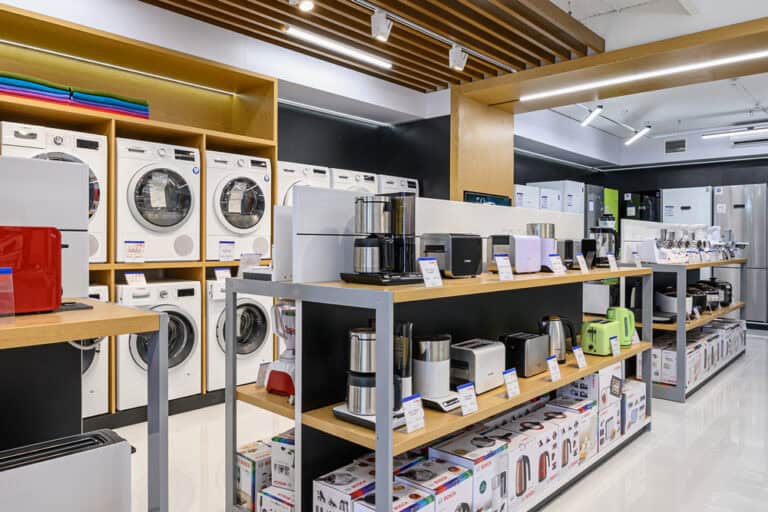



Custom design requests are completed within three days and sent to you for approval.
Streamlined and optimized production process guarantees order completion as fast as 20 days.
All products meet ANSI MH16.1-2012(R2019) and BS EN 15512:2020+A102022 standards for wider market reach.
We maintain low production costs through smart material sourcing and efficient in-house manufacturing.
Incoming material batches include an inspection report ensuring they meet our manufacturing requirements.
Our facility has various workshops that maintain the quality and consistency of our multi-level shelves.
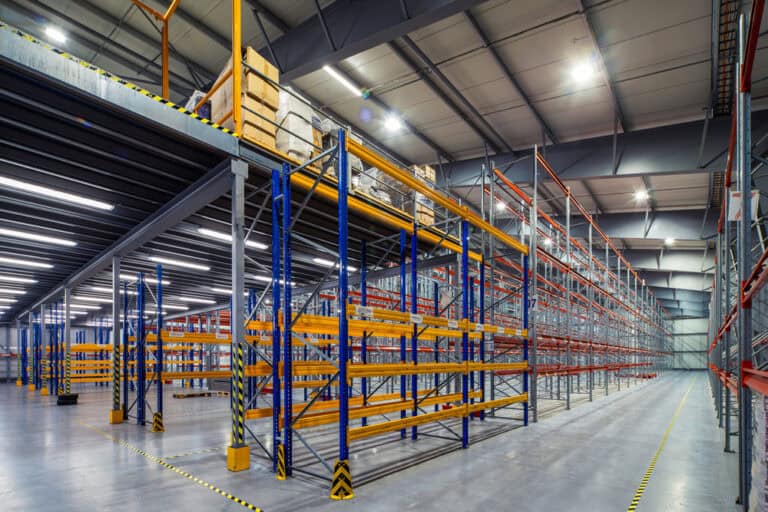
Multi-level shelving, also known as storage mezzanines or tiered shelving systems, is an engineered, freestanding structure that creates two or more elevated working levels within a warehouse. It is not merely taller shelving; it is a strategic vertical expansion that constructs new “floors” dedicated to storage or operations, effectively multiplying usable space within the existing building footprint.
Its core mission is the strategic utilization of vertical space as a productive asset: To maximize the cubic volume of a facility without expanding its physical footprint. By adding intermediate levels, it transforms underutilized vertical air space into productive square footage, addressing spatial constraints in a cost-effective manner compared to building relocation or new construction.
It delivers transformative operational and financial benefits:
1) Dramatic Space Multiplication: Can double or triple available storage/picking area within the same footprint.
2) Enhanced Process Flow: Enables logical separation of functions (e.g., bulk storage above, picking below).
3) High Return on Investment (ROI): Offers a significantly lower cost per added square meter compared to new building construction.
Yes, but capacity is a critical design parameter. Each level is engineered for a specific uniformly distributed live load (e.g., 300 kg/m² to 1,000+ kg/m²). The system’s overall capacity depends on column design, beam structure, and decking material. Heavy industrial applications require a fully engineered solution from the outset.
Safety and access are integral to the design:
1) Full Perimeter Guardrails & Toe Boards: On all open sides of elevated levels.
2) Certified Staircases or Gates: For safe personnel access.
3) Material Handling Integration: May include pallet lifts, conveyors, or expanded metal decking for forklift access to upper levels.
4) Adequate Lighting & Signage: On all levels.
It represents a fundamentally different approach to vertical space. Very tall shelving (e.g., over 4m) primarily increases storage density but remains a single-level operation with significant challenges in safe manual access. Multi-level shelving creates multiple, fully accessible working planes, each with ergonomic access height. It’s about adding operational floors, not just storage height.
1) Authentic gochujang iPhone cliche pitchfork;
2) Shaman yr flexitarian occupy.
Absolutely, this is non-negotiable. As a permanent structural addition, it always requires building permits and fire safety approvals. The process mandates stamped engineering drawings that verify compliance with local codes for load, seismic, wind, egress, and sprinkler coverage. Working with a supplier who handles this entire process is crucial.
System height is constrained by:
1) Building Clear Height: Available space above for clearance and sprinklers.
2) Safety & Accessibility: Typically, 2 to 4 levels are practical, reaching up to 12-15 meters in high-bay facilities. The optimal height balances added space mit cost, structural requirements, and ease of material flow to the top level.
This is a capital project requiring phased planning:
Feasibility & Needs Analysis: Conduct a detailed space audit of your building (height, columns, sprinklers). Define the primary use for each level (storage, picking, office) and its required load capacity.
Conceptual Design & Budgeting: Partner with a specialist to develop layout options and preliminary cost-benefit analysis (ROI calculation). This stage should include initial consultation with building officials.
Detailed Engineering & Procurement: Finalize design and proceed with full engineering drawings for permitting. Select all components (structure, decking, stairs, lifts).
Professional Installation & Inspection: Installation must be performed by experienced crews. Schedule final inspections by both the supplier and local authorities before use.
Operational Training & Safety Protocols: Establish clear rules for load limits, safe material transfer between levels, and routine structural inspections.