
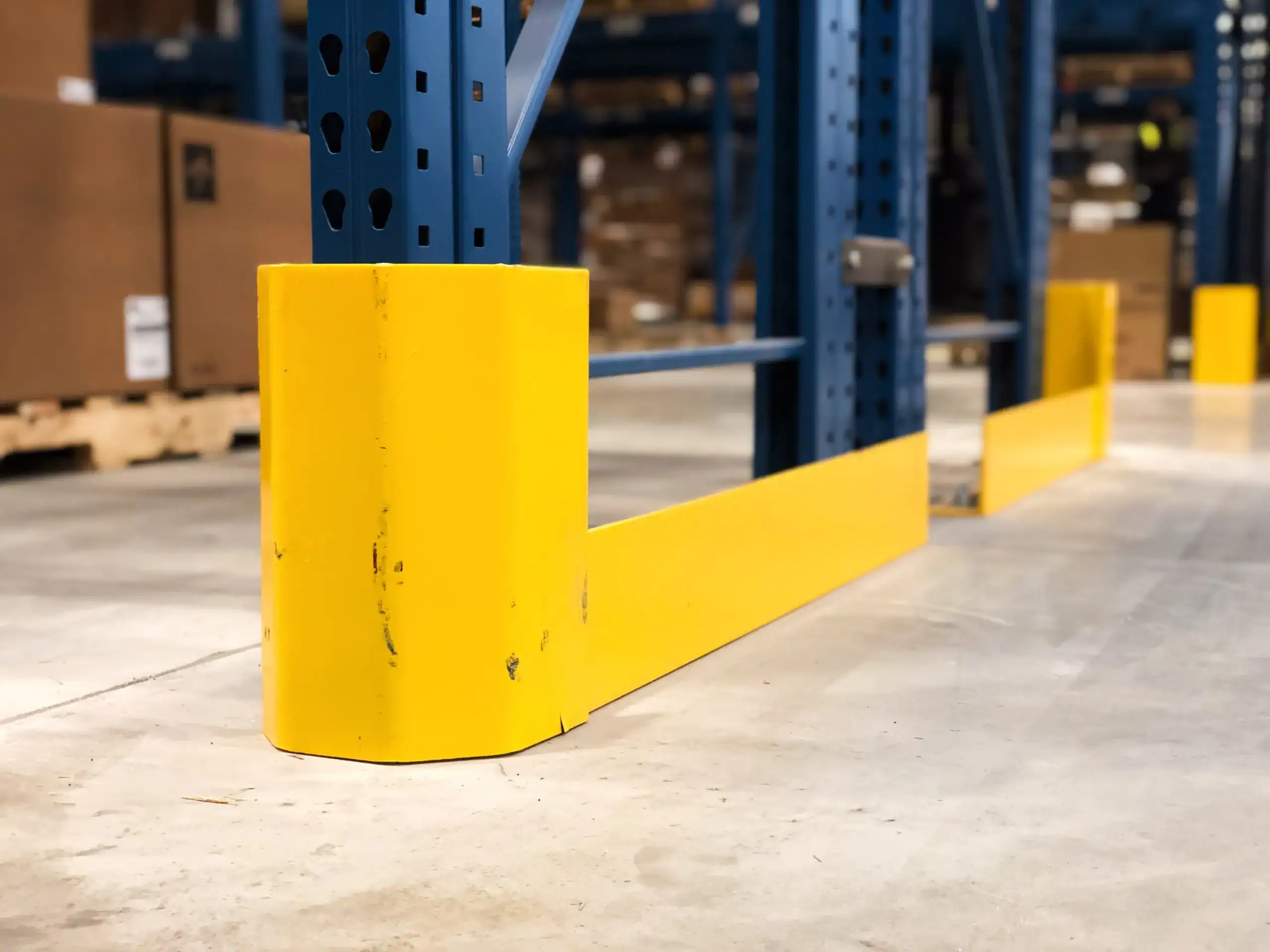
Elevate the performance and security of your warehouse racking systems with iWarehousing’s specifically designed collection of safety products. Made with high-quality Q235B steel and given the same attention to detail as our warehouse storage systems, these products are intended to enhance the functionality of racks and shelves. Our safety products are also open for customization, making them more compatible with various industry demands.
What better way to elevate your warehouse storage safety products than by modifying them to match various industry requirements? Your partners at iWarehousing can implement various customization options based on your demands and even provide recommendations in line with industry trends. Simply tell us how you want to modify the safety products, and we’ll leverage our expertise to get them done.

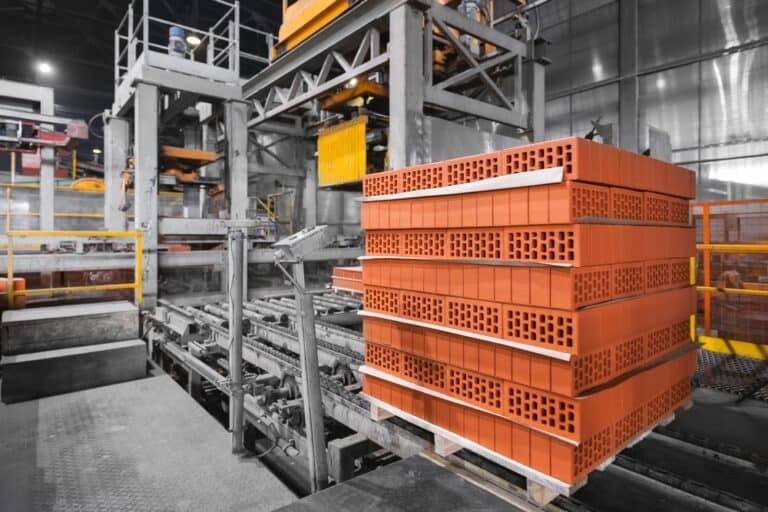
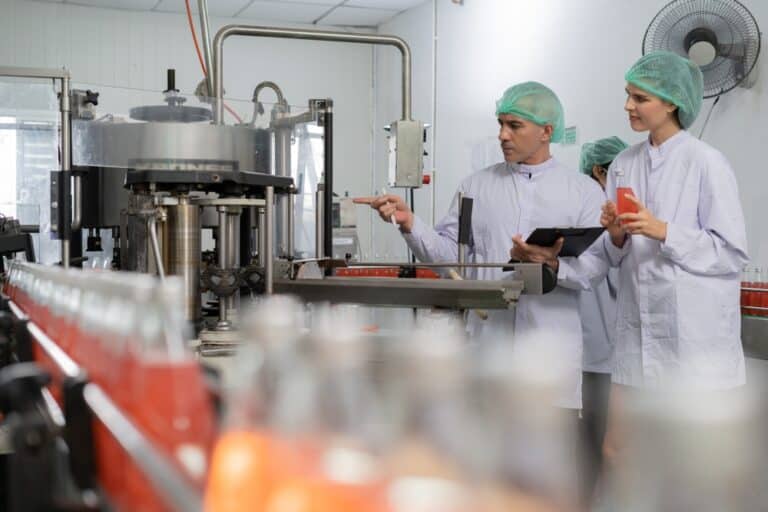



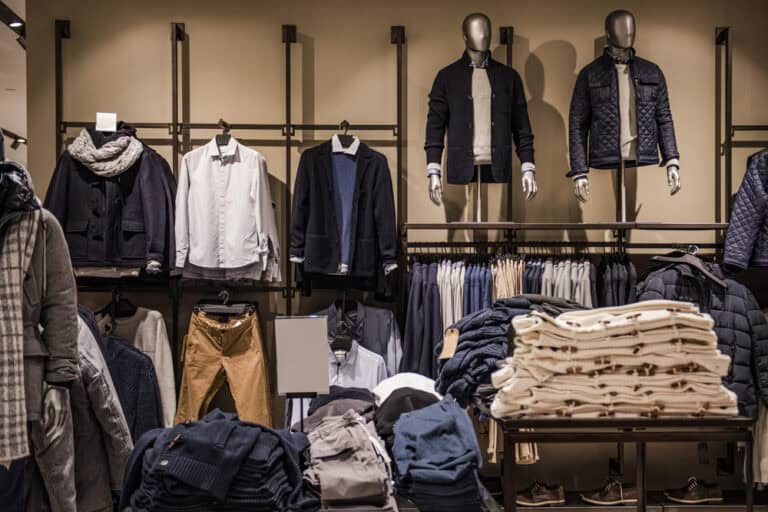


Trust our three decades of expertise to meet your needs with excellence and precision.
Product modification requests are completed and sent for approval within three days.
We adhere to transparency and honesty in our materials.
Production costs are kept at a minimum to stay within budget while increasing potential profit.
Get a comprehensive response for all inquiries and concerns within a 24-hour window from receipt.
Our facility is fully equipped with the latest machines for fast and accurate manufacturing.
Warehouse safety products encompass a comprehensive range of engineered equipment, barriers, and signage designed to proactively mitigate risks in the industrial environment. They form the physical and visual infrastructure that separates hazards from personnel, guides safe traffic flow, and protects critical assets—from racking and building columns to employees and inventory.
Their core function is to engineer a safer working environment, thereby preventing accidents before they occur. They serve as passive protection systems that reduce human error, manage vehicle interactions, and ensure clear communication of hazards, directly contributing to operational continuity and compliance.
Their importance extends beyond basic protection, impacting three key areas:
1) Human Safety & Compliance: They are fundamental for meeting OSHA, local regulations, and insurance requirements, directly preventing injuries and fatalities.
2) Asset Protection: They safeguard expensive infrastructure (racking, buildings, machinery) from costly impact damage.
3) Operational Efficiency: By preventing accidents, they avoid downtime, productivity losses, and potential litigation, protecting the bottom line.
Yes, effective safety solutions are inherently adaptable. Customization is crucial for:
1) Fit-for-Purpose Protection: Products can be dimensioned, rated, and configured for specific threats (e.g., forklift impact force).
2) Visual Communication & Workflow: Color-coding (e.g., yellow for aisles, red for fire equipment) and facility-specific signage enhance clarity.
3) Brand Integration: Some products can be customized to align with corporate safety branding initiatives.
They are not standalone items but integral components of the overall facility ecosystem. They work in synergy with:
1) Storage Systems: Protectors and guards preserve rack integrity.
2) MHE Traffic Management: Bollards and rails create safe paths for forklifts.
3) Building Management: Markings and signs define egress and hazard zones. A holistic safety plan considers all these interactions from the initial design phase.
In virtually all regulated jurisdictions, a foundational level of safety protection is legally required. Regulations (like OSHA 1910) mandate guarding for hazards, clear aisle marking, protection of fire equipment, and safeguarding structural members. Implementing these products is not optional but a fundamental legal and ethical duty of care. Beyond legality, they are often required by insurance providers to mitigate risk and maintain coverage.
Follow this systematic risk-based approach:
Conduct a Comprehensive Risk Assessment: Walk the facility to identify impact zones (near columns, rack ends), traffic conflicts (intersections, blind corners), trip hazards, and areas requiring clear visual communication.
Prioritize & Plan Solutions: Address the highest-risk areas first. Develop a phased plan and budget. Common starter products include column protectors, rack end guards, aisle marking tape, and safety mirrors.
Select & Specify Products: Choose products with appropriate impact ratings for your equipment. Ensure visibility (high-contrast colors, reflective strips). For traffic management, plan a logical color-coded floor marking scheme.
Professional Installation & Training: Ensure products are securely anchored (e.g., bollards bolted to concrete). Train all staff on the meaning of new signs and markings and the purpose of installed barriers.
Schedule Regular Inspection & Maintenance: Integrate safety product checks into routine facility inspections. Immediately repair or replace any damaged, faded, or missing components. Update signage as processes change.