
Optimize storage space in warehouses while improving workplace safety with pallet shuttle racking solutions from iWarehousing. This system has an automated drive-in feature that moves the pallets within the racks, increasing loading speed and accuracy. And whether a facility is adhering to FIFO or LIFO, our pallet shuttle racking systems can seamlessly integrate into their setup with immediate results.
For reliable pallet shuttle racking solutions, trust no other but iWarehousing. With over three decades of manufacturing expertise, we’re experts in designing, producing, and building shuttle racking systems for various industries. Plus, we have a team of experts guiding you throughout the sourcing process.
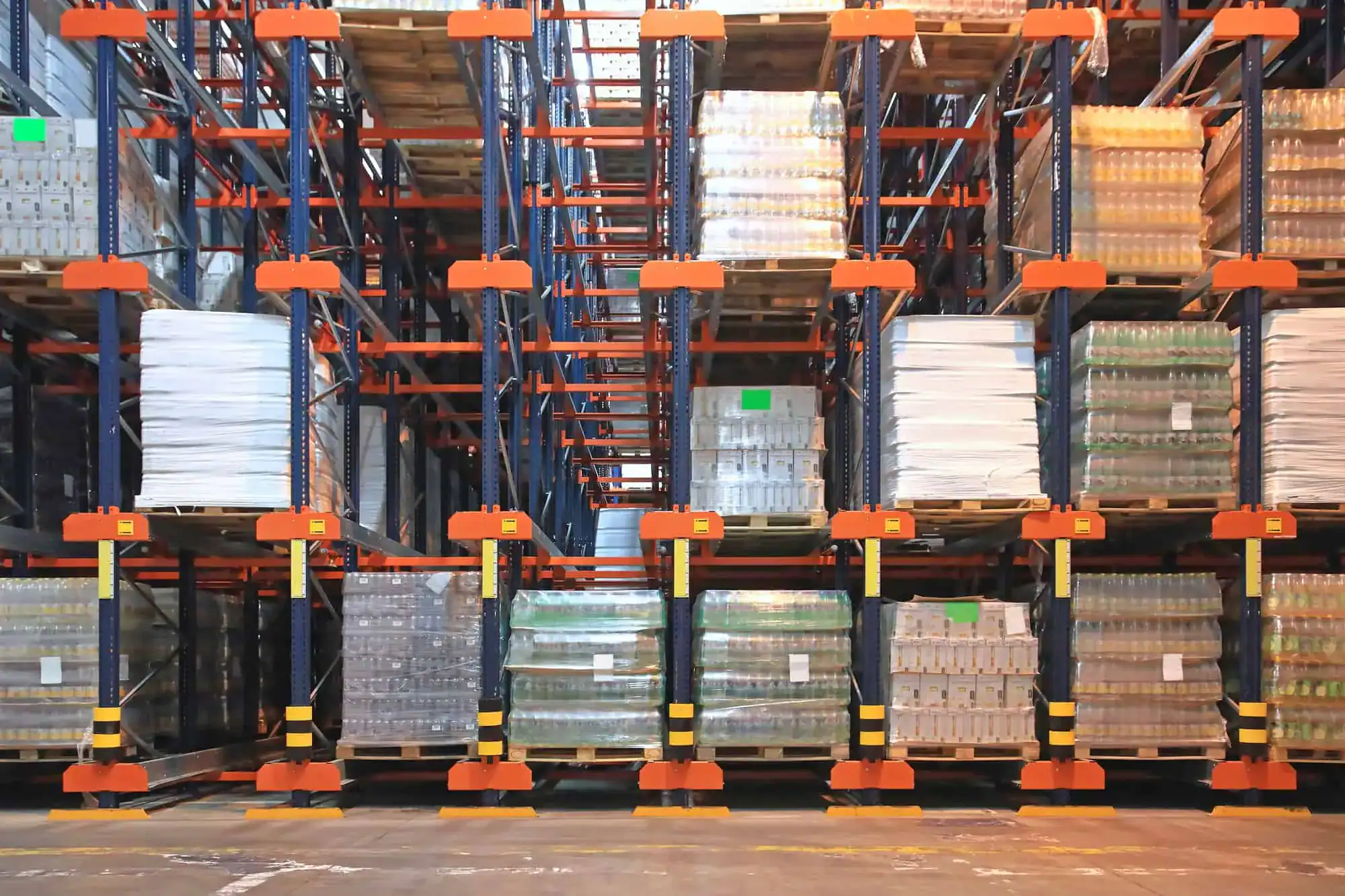
Self-powered shuttles handle pallets within the lanes, eliminating the need for forklifts to enter while maximizing storage depth.
Radio-controlled shuttles work with standard forklifts at lane entries, reducing labor intensity and training costs.
Battery-operated shuttles run continuously in freezers, maintaining stable temperatures by minimizing door openings.
Shuttles reliably access pallets at extreme heights, converting unused vertical space into active storage.
Load and unload pallets continuously—shuttles operate inside lanes while forklifts perform other tasks.
Add shuttles to each lane as demand increases to avoid replacing the entire system.
Transform high-volume, homogeneous storage systems with automated lane management that increases density and safety. Shuttle racking systems are ideal for:
| Beam Length (mm) | Frame Heights (mm) | Frame Depth (mm) |
|---|---|---|
| 1372 | 2438 | 838 |
| 2591 | 3048 | 914 |
| 2743 | 3658 | 1067 |
| 3048 | 4267 | 1219 |
Rely on the expertise of iWarehousing’s design team to capture your ideas for custom shuttle pallet racking systems and translate them into fully functional setups. Whether you want to modify the overall design, layout, dimensions, or surface coating, we have the right skills and machinery to bring them to fruition. By offering tailor-made shuttle pallet racking solutions, you’re bound to set your brand apart from the crowd and be the go-to choice.

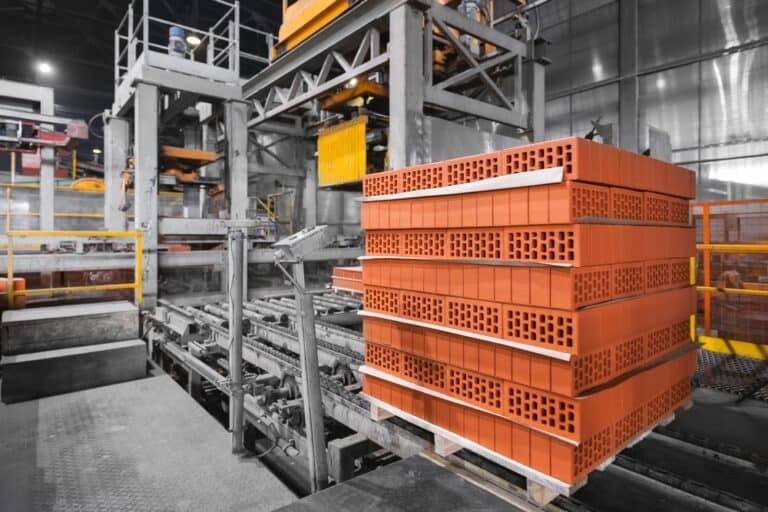
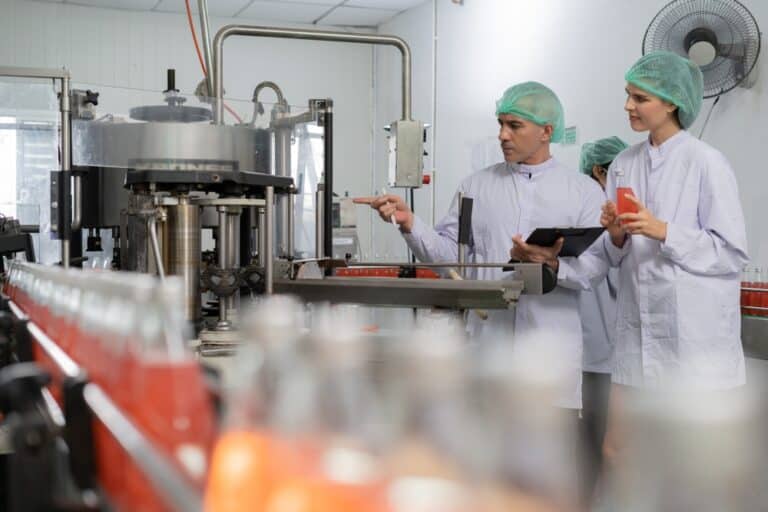



All our storage rack solutions pass certifications per ANSI MH16.1-2012(R2019) and BS EN 15512:2020+A102022 standards.
We complete each project in as fast as 20 days, from order confirmation to packaging and shipping.
Incoming material reports that come with each batch prove the quality and consistency of our materials.
Our workshops are equipped with the latest laser cutters, steel rollers, and other machinery to ensure top quality.
Each manufacturing step ends with routine inspections, while meticulous testing at the end guarantees superior performance.
Seasoned customer service team responds to all concerns and inquiries within a 24-hour window with comprehensive answers.
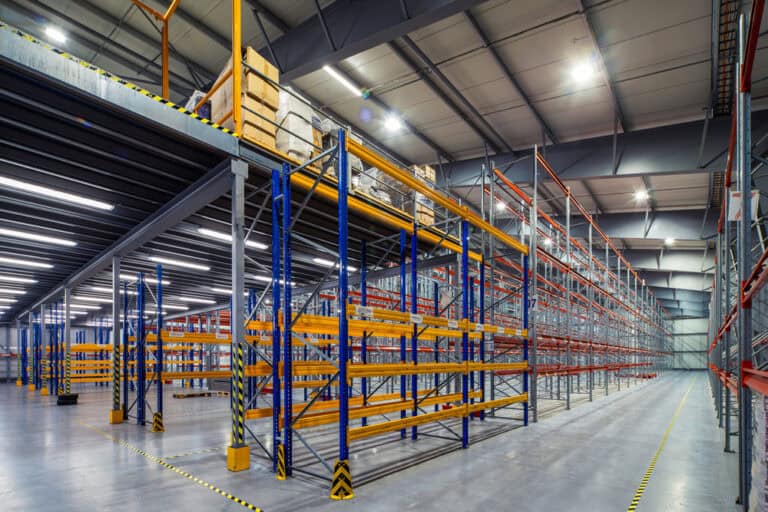
Pallet shuttle racking is a semi-automated, high-density storage system. It utilizes a battery-powered, remotely controlled shuttle car that travels inside deep storage lanes to transport pallets, minimizing the need for forklifts to enter the lanes. This represents a significant step towards warehouse automation while maintaining operational flexibility.
The workflow is highly efficient:
1) A forklift places a pallet at the entry point of a designated lane.
2) The operator uses a remote control to dispatch the pallet shuttle, which lifts, carries, and precisely deposits the pallet deep within the lane.
3) For retrieval, the process is reversed. The shuttle acts as an automated internal transporter, with the forklift handling only the interface at the lane entrance.
Its advantages are transformative:
1) Ultra-High Density: Enables very deep lanes (10+ pallets) with minimal aisle space.
2) Enhanced Safety & Speed: Forklifts and operators remain outside lanes, reducing accidents and significantly increasing throughput.
3) Operational Flexibility: Easily adapts to changing SKU profiles by reassigning shuttles to different lanes.
4) Reduced Equipment Wear: Drastically cuts forklift travel and in-rack maneuvering.
Yes, it offers superior flexibility. The system can be configured for pure FIFO (by designating separate input/output lanes), pure LIFO (using the same lane for both), or a hybrid approach. This makes it suitable for a wide range of products, from perishables (FIFO) to seasonal goods (LIFO).
Absolutely, and this is a key strength. Specifically engineered cold-chain shuttles with lubricants, batteries, and electronics rated for sub-zero temperatures (as low as -30°C) are available. This automation dramatically improves productivity and worker safety in harsh freezer environments.
Yes, but it is streamlined. Operators require training primarily on the intuitive wireless remote control and standard safety protocols for interacting with the automated system. The learning curve is significantly shorter than training for complex in-rack forklift maneuvering.
It occupies the critical “mid-automation” niche. It provides far higher density and throughput than manual drive-in systems, and offers greater flexibility and lower entry cost than fully automated AS/RS (miniload or unit-load cranes). It is the ideal upgrade path for businesses seeking to automate material handling, improve density, and boost throughput without committing to a fully fixed, capital-intensive automated solution.
Shuttles are battery-powered, with easy-swap or dock-charging options. Determining the number of shuttles is a core design decision:
1) Shared Shuttle Model: Cost-effective for lower throughput; one shuttle services multiple lanes.
2) Dedicated Shuttle Model: Maximizes throughput for high-volume lanes; one shuttle per lane or tier. The optimal strategy depends on your SKU velocity, lane depth, and shift patterns.
It is a cap-ex investment with a clear operational ROI. While the initial cost (racks, shuttles, software) exceeds manual systems, it delivers rapid payback through:
1) Labor Savings: Reduced forklift hours and operators.
2) Space Savings: Up to 60%+ more storage in the same footprint.
3) Accuracy & Speed: Zero mis-picks and faster cycles. 4) 24/7 Readiness: Shuttles can operate in lights-out conditions.
Conduct a strategic assessment:
Business Case: Do you need to dramatically increase storage density and throughput within existing walls? Are labor costs, safety, or cold-chain operations key challenges?
Inventory Profile: Do you have multiple pallets of the same SKU (high lane depth) to justify the system? Is your inventory mix stable enough for lane dedication?
Technical Readiness: Are you prepared to manage battery cycles, basic software interfaces, and scheduled shuttle maintenance?
Financial Analysis: Can you model a 2-4 year ROI based on savings and productivity gains?
The definitive next step is a throughput simulation and layout design conducted by a systems integrator, who can model your exact data to validate feasibility and projected performance.