
Warehouses worldwide are key to maintaining optimal supply chains for various industries. As such, they require systems to make the most of their available floor space in accommodating as many products as possible.
iWarehousing helps unlock the full potential of warehouses through our range of pallet racking solutions. Easy to install and highly customizable, our warehouse racking systems offer an assortment of features that make storage, management, and distribution of products smooth and seamless. Moreover, we have a team of experts ready to assist in every step of your sourcing process.
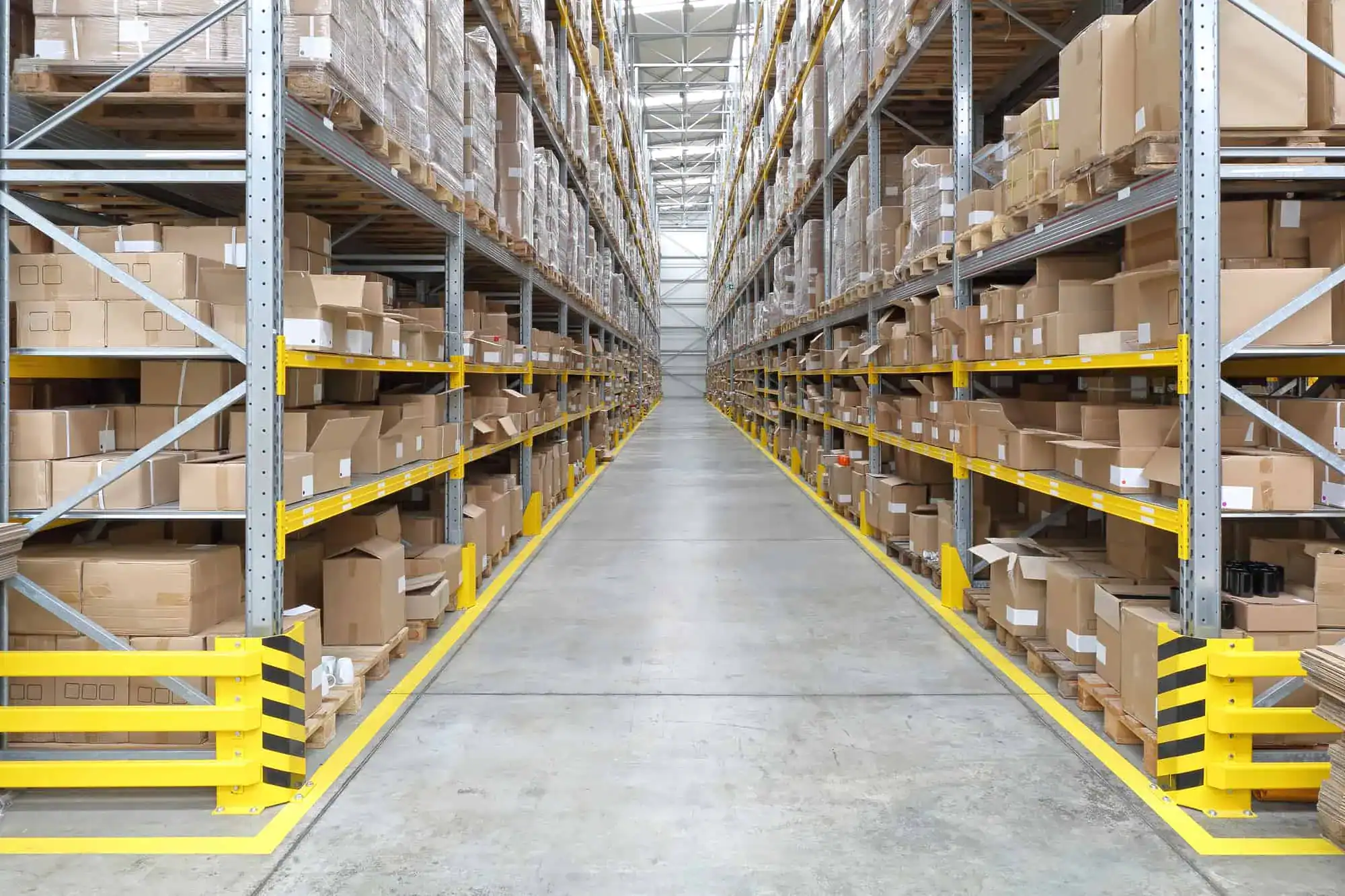
Not all warehouses are made the same, and each warehouse may require specific storage considerations based on its products and industry. iWarehousing caters to this demand with several customization options to create tailor-fit warehouse storage solutions. From dictating the design and layout to choosing the hole pattern and color, we’re dedicated to bringing your ideas to fruition.
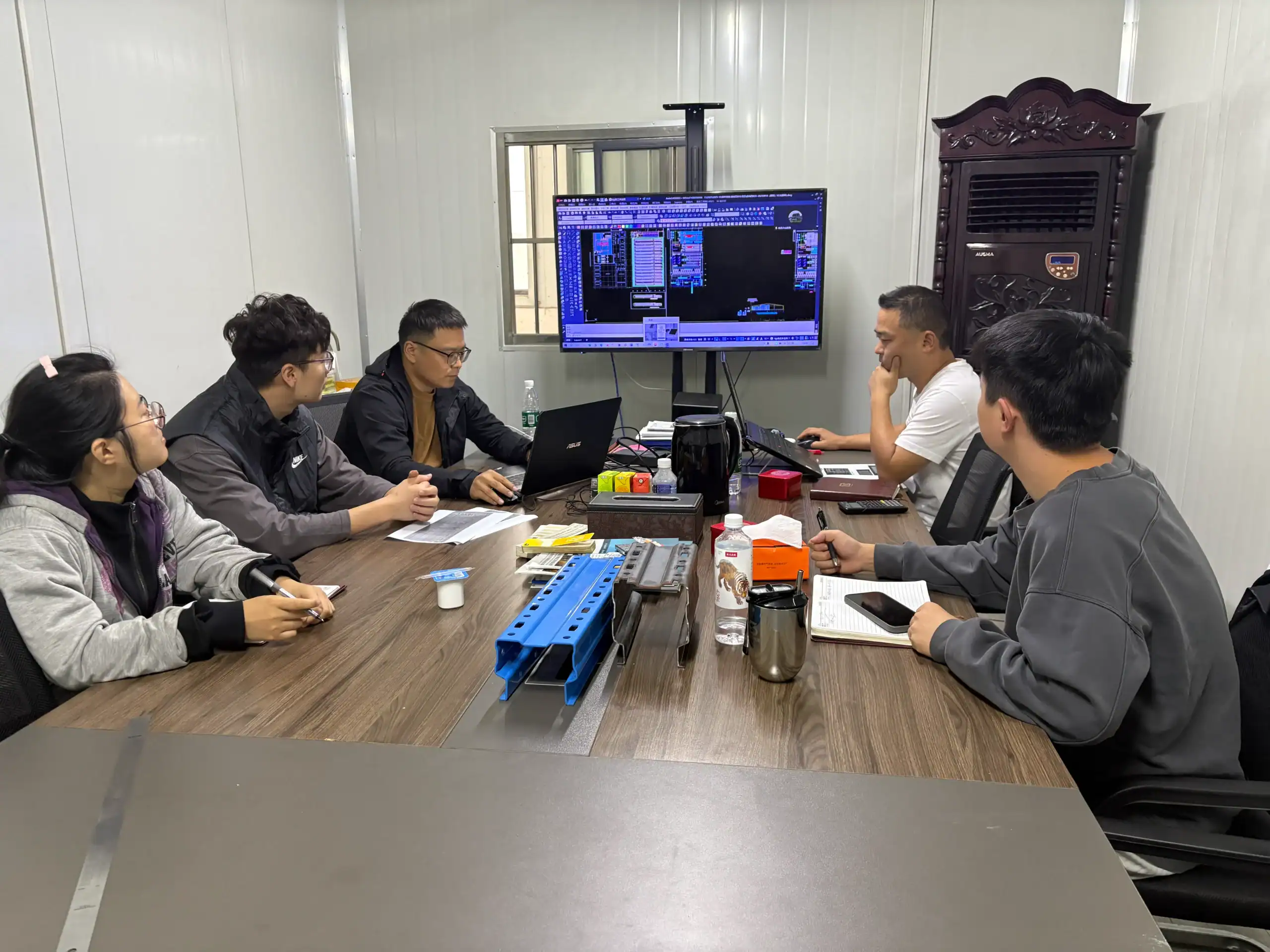
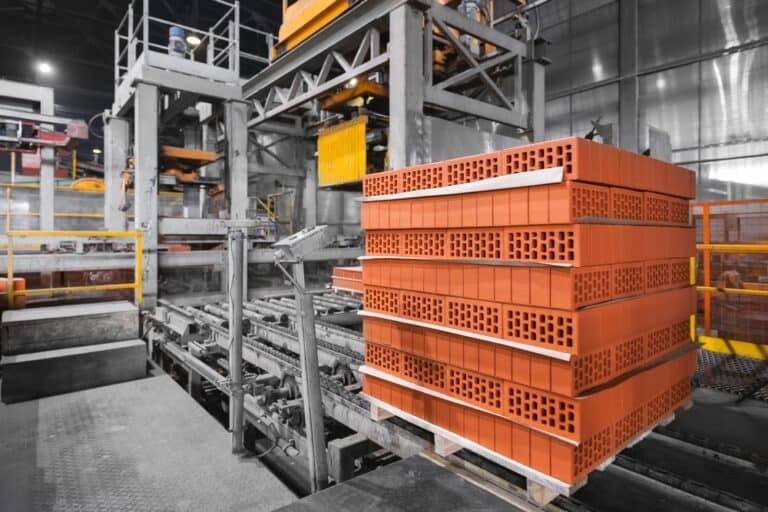





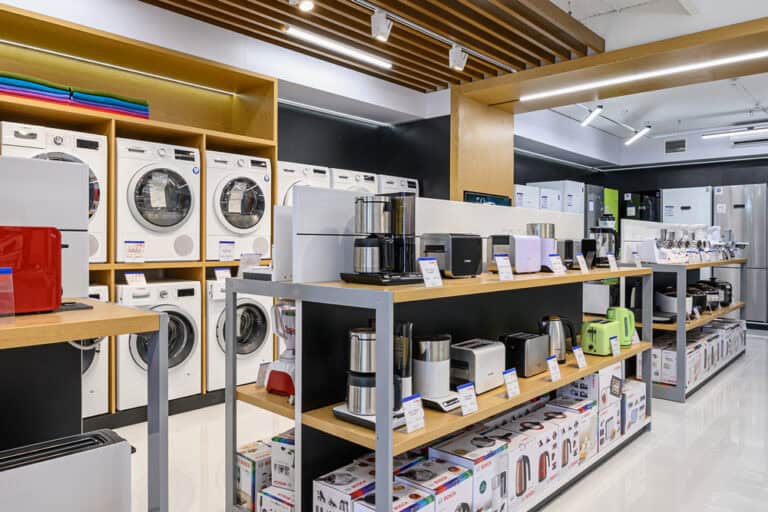



We’ve been leading the market in delivering exceptional storage rack solutions for more than 30 years
Our full-scale manufacturing facility has multiple workshops and the latest equipment for fast and precise order completion.
All storage racks comply with US ANSI MH16.1-2012(R2019) and EU BS EN 15512:2020+A102022 standards for quality and performance.
We take care of the entire sourcing process so you can focus on marketing and growing the business.
We get a material inspection report for each incoming batch of Q235B Steel, ensuring they match our strict requirements.
Understanding your business needs, we offer payment plans to help you scale without the worries of budget constraints.
A pallet racking system is a type of warehouse storage solution designed to hold palletized goods in horizontal rows with multiple levels. It helps maximize vertical space and improve operational efficiency.
The key components include upright frames, horizontal beams, base plates, safety pins, and optional accessories like wire mesh decks and pallet supports.
They improve space utilization, streamline inventory management, and enhance workflow efficiency. With proper design, they also ensure worker safety.
Absolutely. Customization of beam lengths, frame heights, weight capacity, and accessories is a key factor in optimizing storage density and handling efficiency for your specific inventory.
Regular inspection and maintenance are crucial. This includes checking for damage (rust, bent beams), ensuring bolts are tight, and preventing overloading. Proactive maintenance extends the system’s lifespan and is vital for operational safety.
In many locations, yes—especially for systems exceeding a certain height. Adhering to local building codes and fire safety regulations by obtaining necessary permits and engineering approvals is a non-negotiable factor for legal and safe operation.
Safety in seismic zones is a critical improvement factor. Systems must be specifically designed with seismic considerations and installed by professionals to meet stringent safety codes.
Yes. Choosing a modular system that allows for future disassembly, relocation, or expansion is a key factor in ensuring your storage solution can adapt to changing business needs and warehouse layouts.
Yes, there are several types designed for different storage strategies. The most common include:
Follow a structured decision process:
Analyze Your Inventory & Operations: Define your SKU count, pallet specifications, inventory turnover (FIFO or LIFO?), and the type of forklifts used.
Evaluate Your Space: Precisely measure available floor space and clear ceiling height to understand your volumetric capacity.
Match Needs to Type: Based on step 1 & 2, shortlist suitable racking types (e.g., need high density? Consider drive-in or push-back. Need strict FIFO? Consider pallet flow).
Consider Future & Compliance: Plan for business growth (modularity) and ensure your plan meets all local safety and building permit requirements.
Consult a Specialist: Engage with a professional racking designer or supplier. They can provide expert analysis, accurate CAD layouts, and ensure your final choice balances cost, efficiency, and safety optimally.