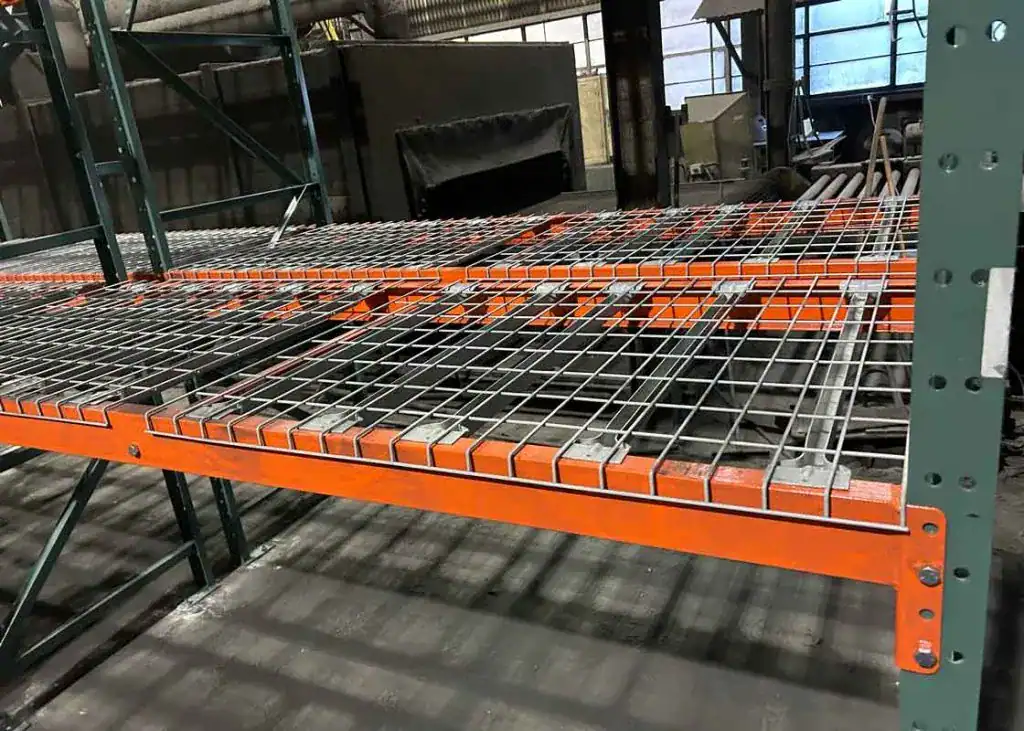
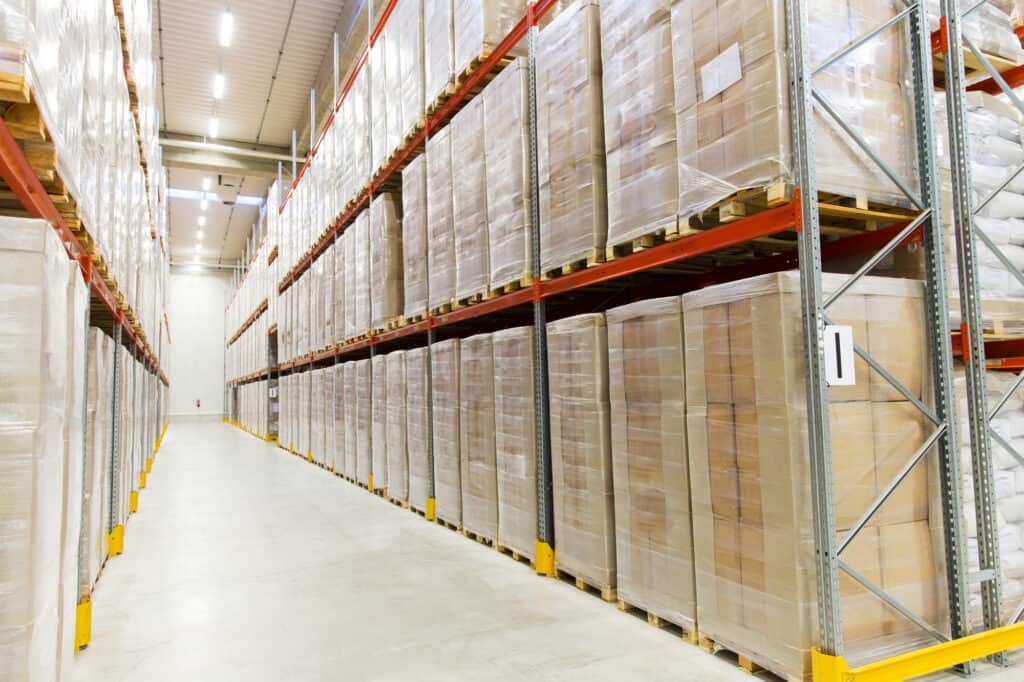
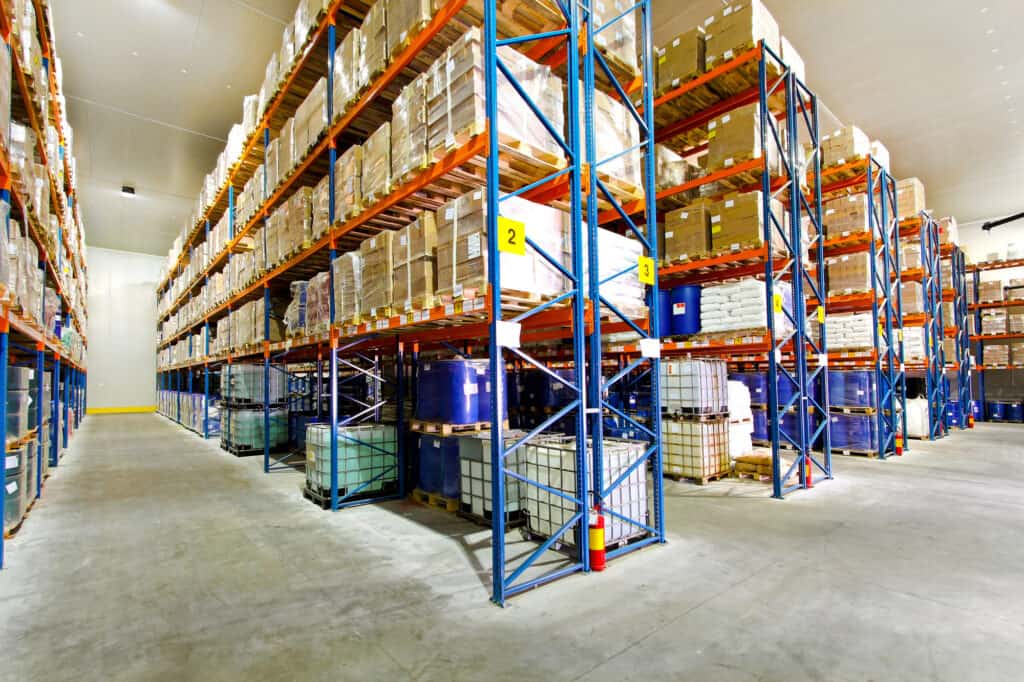
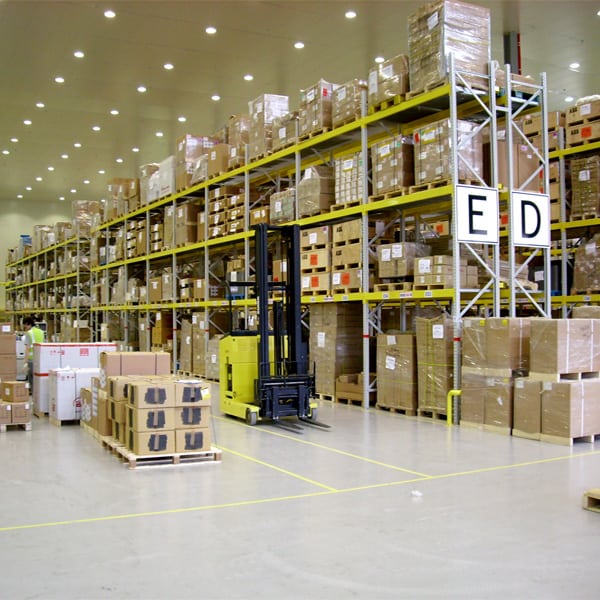
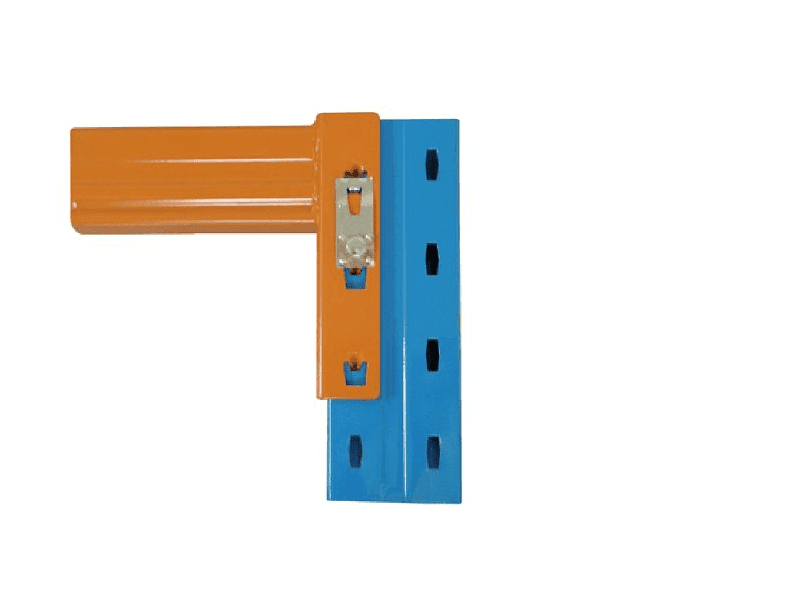
A viable alternative to traditional rack decks, wire mesh decks encourage air flow within the pallet racks and help maintain optimal temperatures. Designed and manufactured by the experts at iWarehousing, our wire mesh decks are highly calibrated to handle various load capacities without any physical deformities. Moreover, we use the same Q235B metal used in our warehouse storage racks, ensuring superior durability and flexibility.
Looking to offer your market with bespoke wire mesh decks? Then iWarehousing has you covered. We offer an assortment of customization options to help realize your concepts with outstanding results. From modifying the design and layout to choosing the surface coating to finish the wire mesh decks, we can provide them all.
Adherence to meticulous quality control within the production process ensures superior durability and long-term performance.
We commit to providing top-quality materials with on-hand inspection reports for complete traceability.
Projects are handled by design and engineering experts with 10+ years of experience.
Strict compliance with ANSI MH16.1-2012(R2019) and BS EN 15512:2020+A102022 standards ensures reliability.
Once confirmed, orders are manufactured and prepared for shipping as fast as 20 days.
We maintain the utmost consistency in our production, thanks to complete in-house production.
A wire mesh deck is a heavy-duty, welded wire grid panel designed to be installed on the horizontal beams of pallet racking or shelving systems. It transforms an open beam level into a secure, continuous storage surface, providing reliable support for pallets, cartons, or individual items while offering inherent safety and compliance benefits.
It serves multiple integrated functions:
1) Primary Load Support: Distributes the weight of stored goods across the beam structure.
2) Fall-Through Prevention: Acts as a containment barrier for small items or debris from pallets.
3) Safety Enhancement: Creates a stable platform, reducing the risk of pallet tipping or shifting.
Wire mesh offers distinct operational and safety advantages:
1) Fire Code & Insurance Compliance: Its open design allows unimpeded water flow from fire sprinklers, meeting critical fire safety regulations that solid decks often violate.
2) Durability & Longevity: Made from galvanized or powder-coated steel, it resists warping, rotting, and damage, outperforming wood.
3) Visibility & Airflow: Enables visual inventory checks from below and improves ventilation.
4) Debris Management: Allows dust and small spillage to pass through, maintaining cleanliness.

Load capacity is engineered and varies. Standard capacities range from 1,000 to 4,000 lbs per panel (or higher for heavy-duty models). The key determinants are: 1) Wire Gauge & Mesh Design: Thicker wires and reinforced borders increase strength. 2) Support Configuration: The use of under-deck support channels or cross braces is crucial for achieving higher ratings, especially on longer spans.
Yes, its versatility is a major strength. It is ideal for non-standard, damaged, or open-bottom pallets that would be unsafe on beams alone. It also effectively supports loose cartons, drums, or mixed SKUs on shelving, providing a secure and organized surface that solid decks or beams cannot match.
It occupies the optimal middle ground for most industrial applications:
1) vs. Solid Sheet Metal/ Plywood: Offers superior fire safety compliance and debris management, though less suitable for very small parts.
2) vs. Bar Grating: Provides a smoother, safer surface for pallet movement at a typically lower cost.
3) vs. No Decking (Beams Only): Dramatically improves safety, load stability, and versatility. It is the default choice for a balanced combination of safety, compliance, functionality, and value.
Sizes are highly adaptable. Standard sizes align with common rack depths (e.g., 36”, 42”, 48”, 60”). Custom sizes can be manufactured for non-standard bays. Correct specification requires two key measurements: the inside dimension between upright frames (width) and the front-to-back beam length (depth), typically subtracting a small clearance (e.g., 1/2”) for easy installation.
Follow this engineered approach:
Assess Needs & Regulations: Confirm local fire code requirements for sprinkler clearance. Determine the heaviest anticipated load per panel and the types of goods stored.
Specify & Order: Provide accurate bay measurements to your supplier. Select the required load rating, wire gauge, finish (e.g., galvanized for humidity), and confirm if support channels are needed for your span and capacity.
Prepare for Installation: Ensure the rack is level, plumb, and beams are securely locked. Have all panels and hardware (e.g, clips, support channels) on hand.
Safe Installation: Always use proper lifting techniques or equipment—panels can be heavy and awkward. Place panels onto the beams, ensuring they are centered and fully seated. For large or heavy-duty installations, secure panels to beams with retaining clips or bolts to prevent dislodgement.
Inspection & Maintenance: Incorporate deck condition into regular rack inspections. Look for excessive deflection, rust, or damaged welds. Clean periodically to maintain visibility and airflow.