
Pallet flow racking systems make storage and movement of products more streamlined and efficient. What sets these racking systems apart is the incorporation of rollers and trolleys that facilitate the smooth flow of pallets from one end to another. This, along with a leverage system that pushes goods using gravity, increases the turnover rate of standardized goods within the warehouse, leading to more business and higher profits.
Rely on the expertise of iWarehousing to design, manufacture, and assemble pallet flow racking systems tailored to your industry’s needs. Backed by decades of production expertise, we leverage our talent, skill, and production knowledge to deliver exceptional solutions at competitive prices.
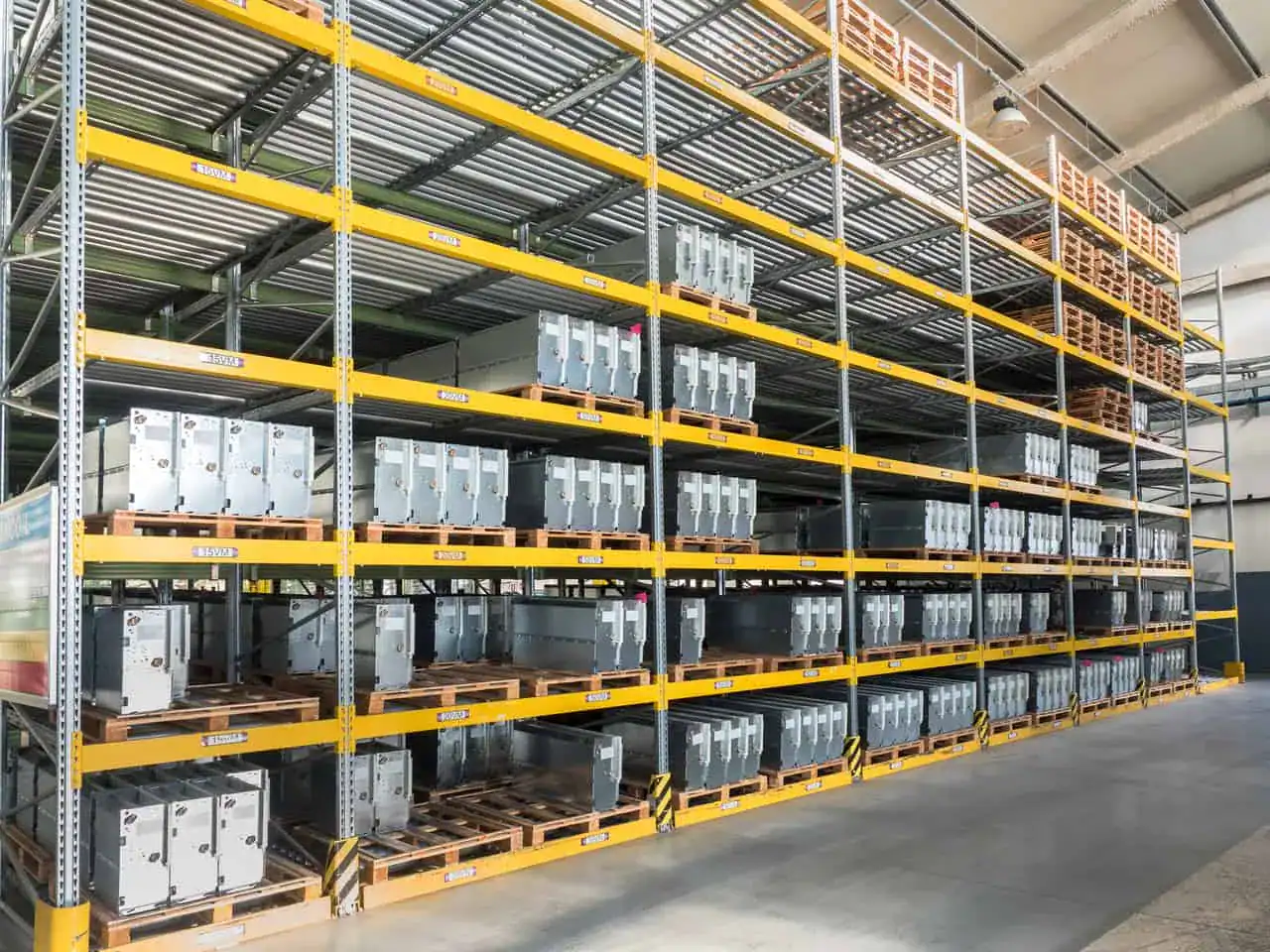
Pallets glide on roller tracks using incline momentum, which enables immediate first-in, first-out (FIFO) access without the need for a forklift.
This guarantees strict first-in, first-out rotation, which is critical for perishables or time-sensitive industrial goods.
Continuous unloading seamlessly empties lanes; reloading occurs simultaneously at the rear, maximizing shift output.
Q235B steel structure with polymer bearings quietly handle loads; replaceable wheels minimize downtime.
Gentle gravity movement prevents pallet collisions, making it ideal for fragile items such as glass, pharmaceuticals, and packaged foods.
Stores more pallets than push-back racks due to minimized aisle footprint and multi-lane depth configurations.
Use to maximize efficiency for high-turnover, uniform goods that require uncompromised FIFO rotation and rapid access.
| Beam Length (mm) | Frame Heights (mm) | Frame Depth (mm) |
|---|---|---|
| 1372 | 2438 | 838 |
| 2591 | 3048 | 914 |
| 2743 | 3658 | 1067 |
| 3048 | 4267 | 1219 |
Looking for a specific pallet flow racking system your target market needs? Let our experts know what your requirements are, and we can manufacture pallet flow racking systems specifically designed to your preferences. From design and layout to surface coating options and everything in between, we have the capabilities to make them happen.

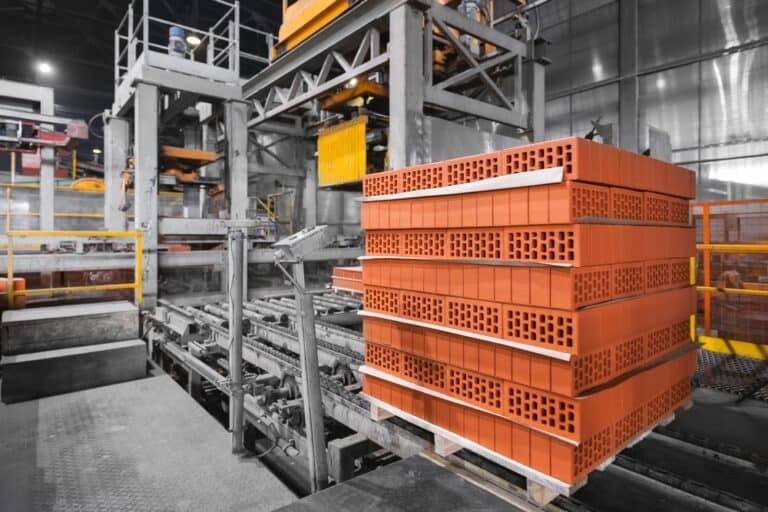
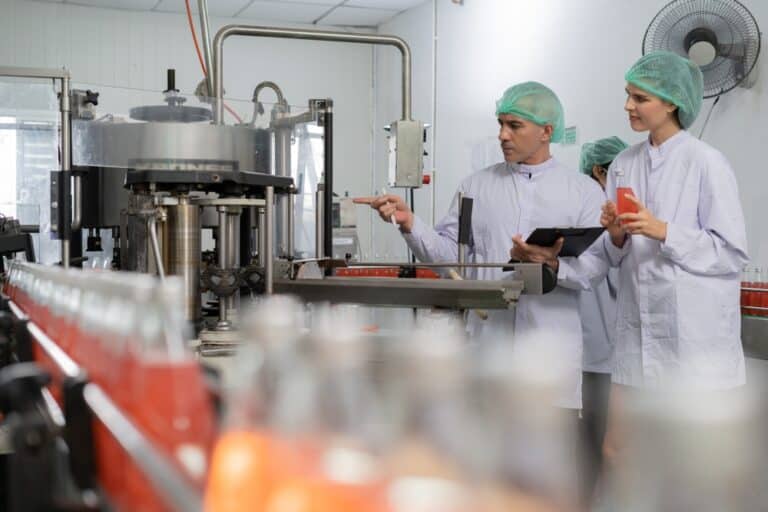

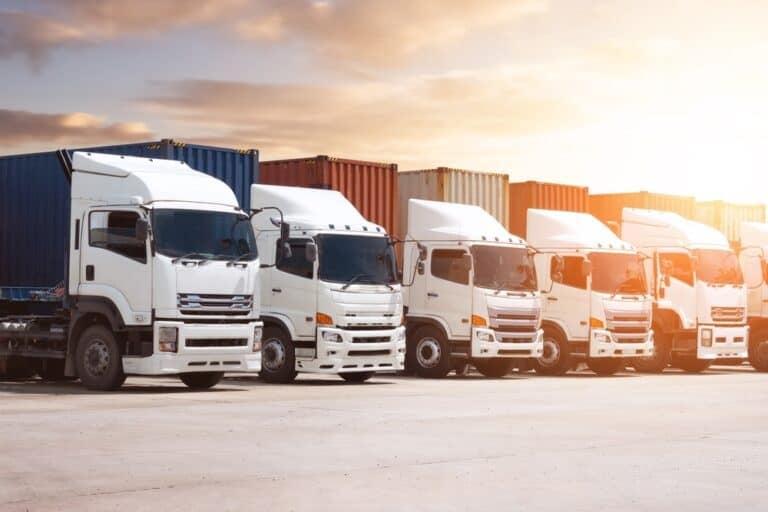
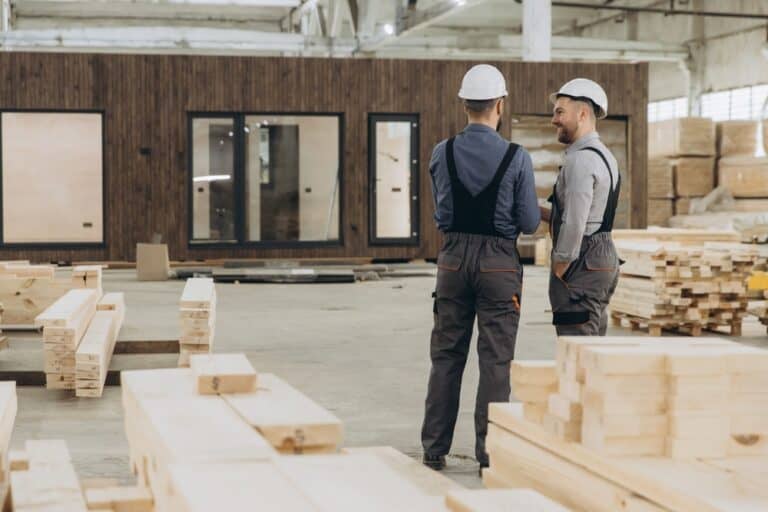


We’ve been manufacturing world-class pallet flow racking systems for more than 30 years.
Each workshop within our facility is equipped with the latest machinery to ensure fast and precise production.
Custom designs are completed and tested within 3 days, with design documents sent to you for confirmation.
We go from order confirmation to packaging and delivery within 20 to 25 days, faster than our peers.
Along with product customization, we can customize your payment plan to suit your budgetary needs.
You’re working with 10+ year industry veterans who leverage their talent to deliver exceptional storage racks.
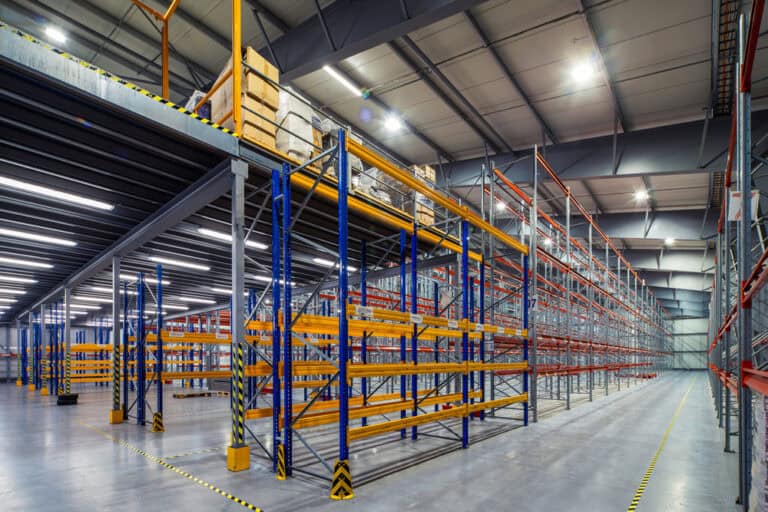
Pallet flow racking is a high-density, dynamic storage system that utilizes gravity to automatically move pallets from the loading end to the picking end. It is designed to enforce strict First-In-First-Out (FIFO) inventory rotation, making it ideal for time-sensitive goods.
The system consists of slightly inclined lanes equipped with low-friction roller or wheel tracks. Pallets are loaded at the higher, rear end. Gravity then gently moves them forward along the lane until they reach a braking or stopping mechanism at the lower, front end, where they are unloaded. This creates a continuous, automated flow of inventory.
Its primary benefits are threefold: 1) Guaranteed FIFO Rotation – essential for perishable or dated products; 2) High Storage Density – reduces aisle space by utilizing deep lanes; 3) Operational Efficiency – reduces forklift travel, minimizes search time, and speeds up picking at a fixed front location.
It is the optimal choice for high-throughput, homogeneous SKUs that require strict stock rotation. This includes perishable goods (food, beverages), pharmaceuticals, chemicals with expiry dates, and fast-moving consumer goods (FMCG). Product uniformity and consistent pallet quality are critical for smooth operation.
Yes, the initial investment is typically higher than selective racking due to the specialized rolling tracks, brakes, and structural components. However, the return on investment (ROI) is achieved through significant savings in warehouse space (increased density), reduced labor costs (improved picking efficiency), and minimized product spoilage (perfect FIFO).
Pallet flow is the premier FIFO solution among high-density systems. Unlike drive-in or push-back racking (which are LIFO), it ensures the oldest stock is always retrieved first. Compared to static shelving or selective racking, it offers much higher density and faster picking. It sits in a unique niche, balancing very high density with perfect inventory control for time-sensitive products.
No, it does not. A key advantage is the use of standard forklifts or pallet jacks for loading at the rear and unloading at the front. This separates the loading and picking functions, improving traffic flow and safety.
Potentially, yes. Existing selective racking frames can sometimes be adapted by installing flow lane kits. However, this depends on the structural integrity, dimensions, and upright frame configuration of the existing system. A professional assessment is mandatory to determine feasibility and ensure safety.
It requires proactive and scheduled maintenance to ensure reliability. This includes regular inspections and cleaning of rollers/wheels, brakes (speed controllers), lane dividers, and guide rails to prevent jams and ensure smooth, controlled pallet movement. A maintenance plan is crucial for longevity.
Evaluate your needs against these criteria:
Inventory Profile: Do I have high-volume SKUs requiring strict FIFO (e.g., perishables, dated products)?
Throughput & Space: Do I need to increase storage density while maintaining high picking speed?
Pallet Quality: Can I guarantee the use of uniform, structurally sound, and bottom-boarded pallets? (Warped or soft pallets will cause jams).
Cost Justification: Can the projected gains in space savings, labor efficiency, and reduced waste justify the higher initial investment?
If answers are positive, the next step is a detailed consultation and simulation with a storage system engineer to design lane depth, flow speed, and layout tailored to your specific product weights and turnover rates.