Protección de estanterías

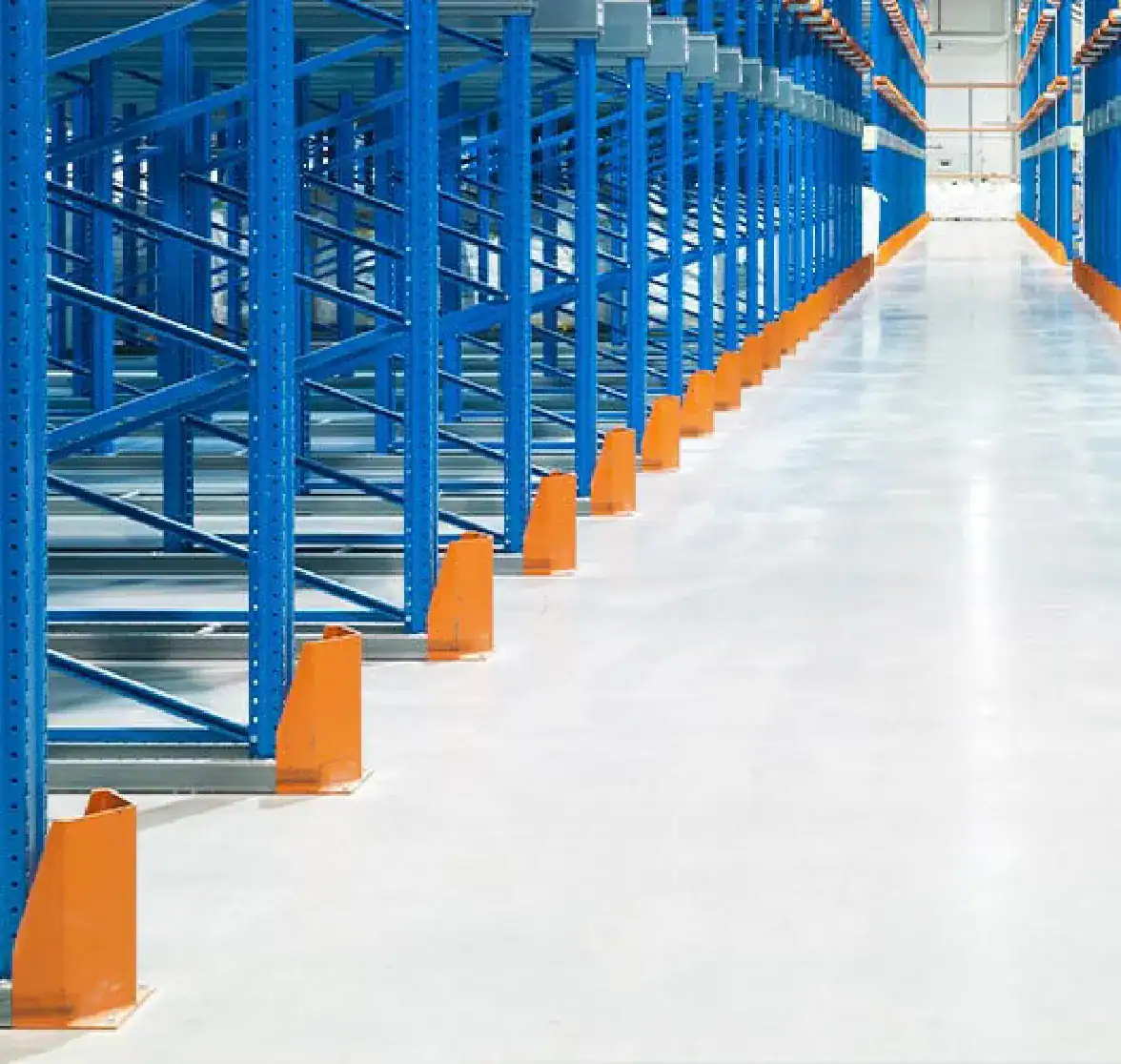
Versatile Racking Protection for Warehouse Racking

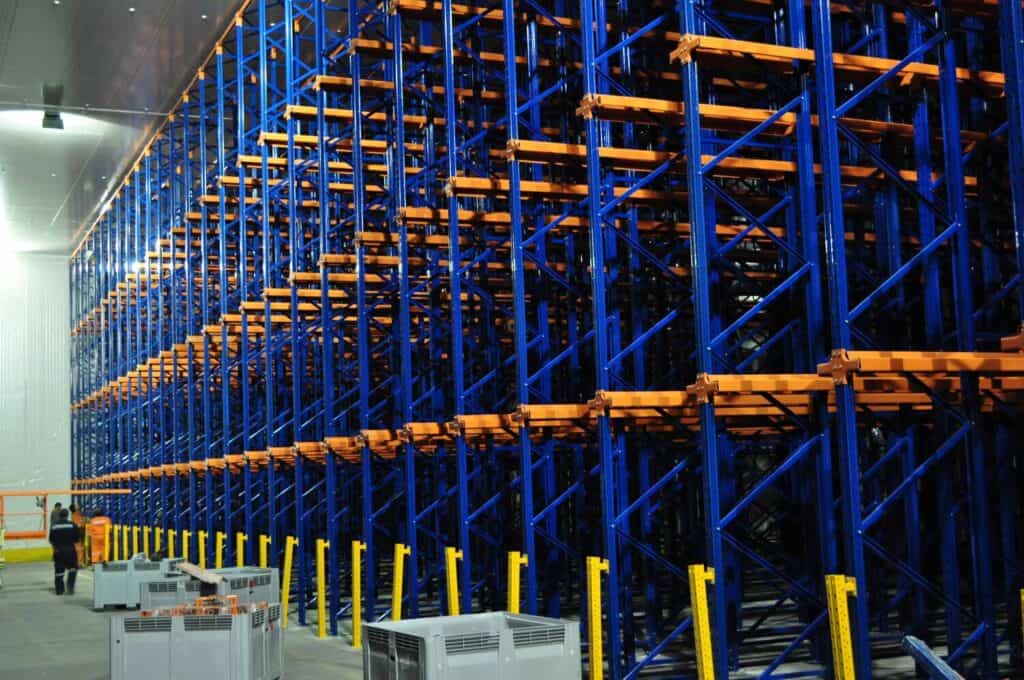
Storage racking systems are a heavy investment for warehouses. As such, they need to be protected from any potential damage, be it from pallets or the forklifts that can hit them during the loading process.

iWarehousing offers a range of racking protection accessories that can be easily installed directly on the storage racking systems. Made with the same steel as the storage racks, they offer extra durability and a low-cost option for businesses.

racking protection 1

Featured Products

female,engineer,and,male,supervisor,standing,in,modern,industrial,factory,

Racking Protection Modified to Your Specifications

Racking protection accessories for storage racking systems can come in an assortment of designs and dimensions. Let the experts at iWarehousing assist you in creating unique lines of racking protection solutions for your growing market. Define the design, dimensions, and surface coating based on your customer’s demands, and we’ll turn them to reality.

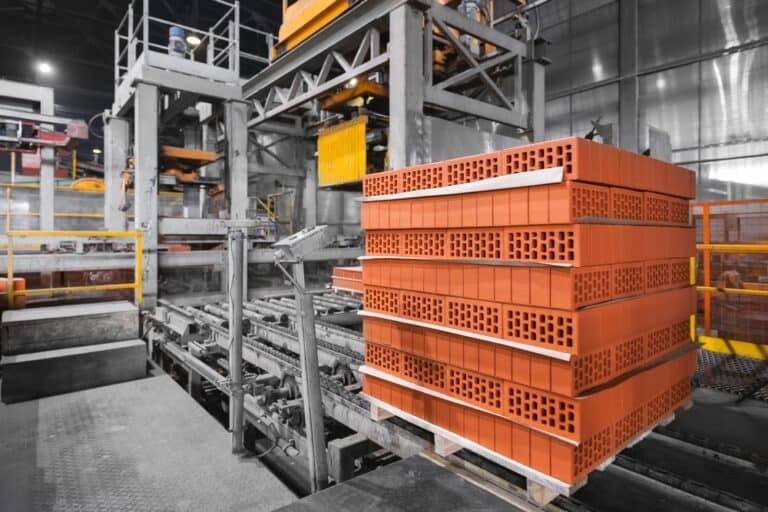
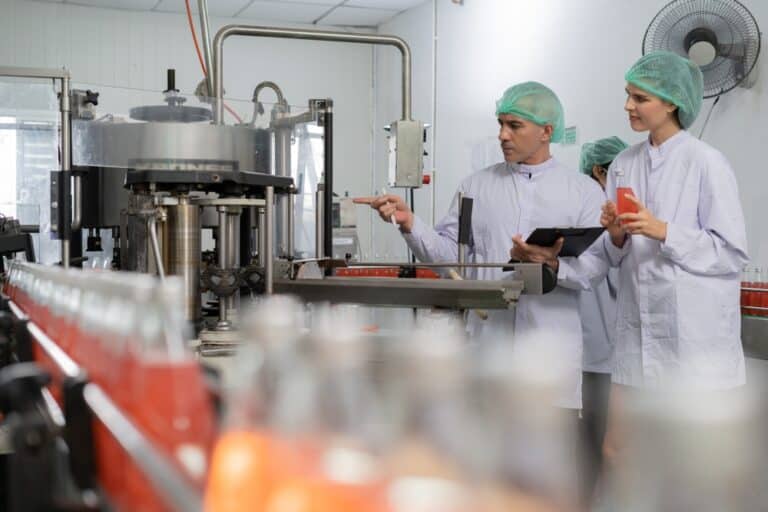
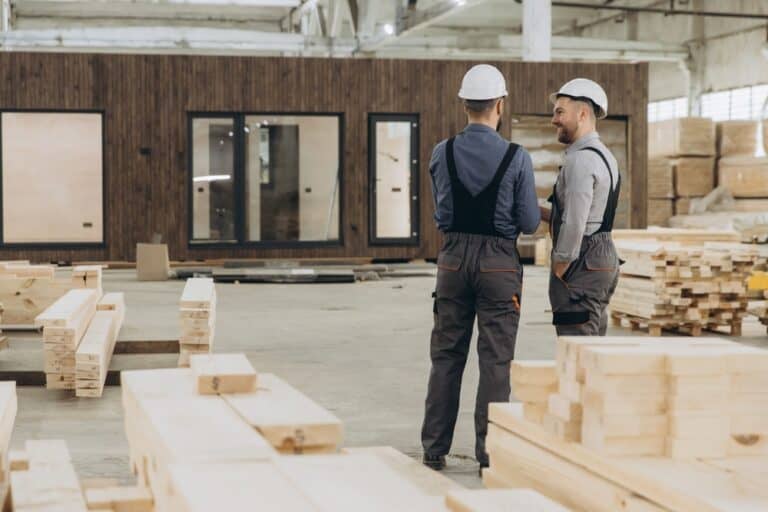
Industries We Serve

Benefits of Working with iWarehousing

Equipo experimentado

You’re working with designers and engineers with more than a decade of industry experience.

Quick Customization

Get design drafts for customization requests within three days, allowing more time for approval.

Short Lead Times

Swift order completion of 20-25 days, so you stay ahead of your peers.

Profitable Prices

We keep prices at competitive levels to ensure they stay within your budget.

Meet US and EU Standards

All accessories comply with ANSI MH16.1-2012(R2019) and BS EN 15512:2020+A102022 standards for quality.

In-house Factory

With the entire production done within our facility, you’re guaranteed top-quality and consistent output.

FAQ

What is Racking Protection?

What is racking protection?

Racking protection refers to a suite of engineered safety components specifically designed to absorb and deflect impact energy from material handling equipment (MHE), primarily forklifts. It forms a critical defensive layer for your storage infrastructure, shielding upright frames, beams, and column bases from costly and dangerous collision damage.

What does racking protection typically include?

A comprehensive protection system addresses key vulnerability points: 

1) Column & Upright Protectors: Guard the vertical load-bearing frames. 

2) End-of-Aisle Barriers: Protect the first upright at the aisle entrance. 

3) Pallet & Frame Deflectors: Prevent pallets from being pushed into beams or back frames. 

4) Row Spacers & Wall Guards: Protect racks from adjacent walls or other racks.

Key Factors for an Effective Racking Protection System

Why is racking protection absolutely necessary?

It is a cost-effective risk mitigation strategy that addresses the leading cause of racking failure: 

1) Prevents Catastrophic Failure: A damaged upright can compromise an entire bay, risking collapse. 

2) Protects Your Capital Investment: Extends the operational lifespan of your racking system, safeguarding a significant asset. 

3) Ensures Operational Safety & Continuity: Prevents injuries from falling loads and avoids costly downtime for rack repairs or replacement.

What materials are used, and how do I choose?

Material selection balances impact absorption, durability, and visibility

1) Steel Guards (Galvanized or Painted): Offer maximum strength for high-impact areas; often used for column guards. 

2) High-Density Polyethylene (HDPE) or UHMW: Excellent impact absorption, corrosion-resistant, and highly visible in safety yellow; common for end-of-aisle guards. 

3) Rubber or Polymer Protectors: Used for beam guards or smaller deflectors. Choose based on the estimated impact force and the environmental conditions of your facility.

Where Racking Protection Fits Within Warehouse Safety

Is racking protection part of a larger safety program?

Absolutely, it is a fundamental pillar. It works in concert with: 

1) Forklift Operator Training: Protectors are a last line of defense; well-trained operators are the first. 

2) Traffic Management Systems: Aisle markings and signage guide safe travel, reducing collision opportunities. 

3) Routine Rack Inspections: Protection does not eliminate the need for regular checks of the rack structure itself. It is an integrated component of a holistic “defense-in-depth” safety strategy.

How to Select & Implement Racking Protection

Is racking protection required by regulations?

While specific mandates vary, the principle is universally enforced. Safety regulations (e.g., OSHA General Duty Clause) require employers to provide a workplace free from recognized hazards. Industry best practices and insurance carriers increasingly mandate impact protection, especially in high-traffic zones, near pedestrian walkways, or for racks storing hazardous materials. Proactive installation demonstrates due diligence.

Can protection be retrofitted, and how do I plan a system?

Yes, retrofitting is standard and highly recommended. Follow this systematic approach:

  1. Conduct a Site-Specific Risk Assessment: Identify all impact zones—aisle ends, corners, tight spots, and areas with high MHE traffic. Review incident reports for collision history.

  2. Prioritize & Design the Protection Scheme: Start with the highest-risk areas (typically end-of-aisle uprights). Determine the appropriate protection level (e.g., steel for forklift lanes, HDPE for lower-impact areas). Plan for high-visibility colors.

  3. Select & Procure: Choose products that are compatible with your racking profile (upright depth/width) and have suitable mounting systems (e.g., bolt-on, clamp-on).

  4. Professional Installation: Ensure protectors are securely and correctly installed at the proper height to cover the impact zone. For steel guards, ensure robust anchoring to the floor.

  5. Inspect & Maintain: Integrate protector inspection into your regular rack audit. Replace any damaged, bent, or dislodged protectors immediately, as their effectiveness is compromised after a significant impact.

Get A Free Quote