
Take space saving and maximizing floor area to the next level with very narrow aisle pallet racking from iWarehousing. This system utilizes the warehouse’s vertical area to give more storage space by stacking multiple racks on top of each other. The result is a compact storage solution that fits locations with limited floor space.
We achieve this through a combination of innovative manufacturing and rigorous testing to ensure our storage racks can properly sustain heavy loads. Moreover, we’ve designed our very narrow aisle pallet racking systems with scalability in mind, letting users go as high as possible.
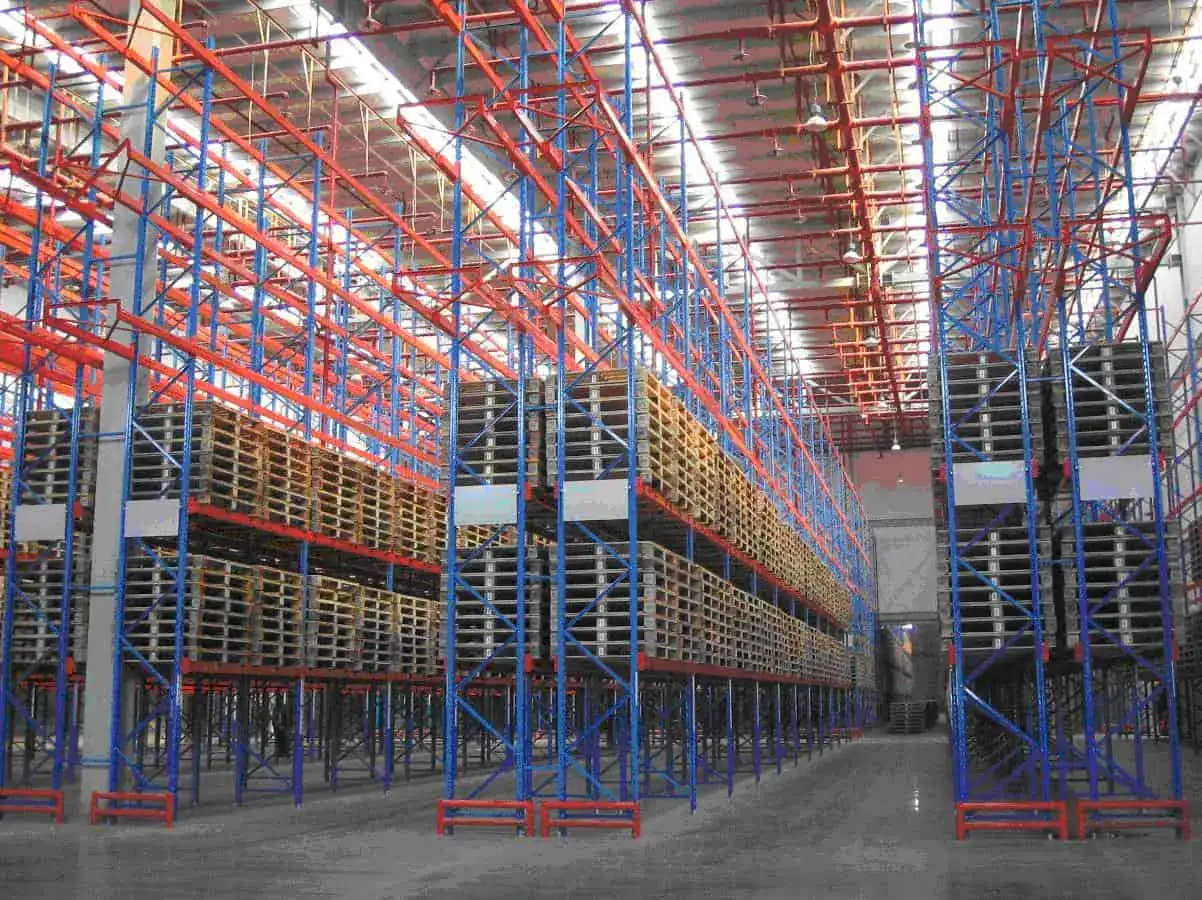
Narrower aisles allow for more pallets than conventional systems, making the most of cubic space.
Exclusively fits uniform industrial pallets to maintain aisle safety and operational efficiency.
Designed for specialized narrow-aisle forklifts with wire or rail guidance to ensure precise operation.
Integrated scanning points enable real-time stock tracking and improve inventory accuracy.
Q235B steel frames resist deformation under high stacking loads, ensuring long-term stability.
Factory-direct pricing with optimized material use lowers procurement costs without quality compromise.
Maximize vertical storage in facilities with limited space and standardized, high-volume inventories.
| Beam Length (mm) | Frame Heights (mm) | Frame Depth (mm) |
|---|---|---|
| 1372 | 2438 | 838 |
| 2591 | 3048 | 914 |
| 2743 | 3658 | 1067 |
| 3048 | 4267 | 1219 |
In addition to the scalability, we can fully customize your very narrow aisle pallet racking systems to match your market’s requirements. Freely modify the storage rack’s overall design, layout, load capacity, hole pattern, beam design, and surface coating according to your preferences. Plus, our design experts can provide recommendations further to enhance the storage rack’s performance and stability.

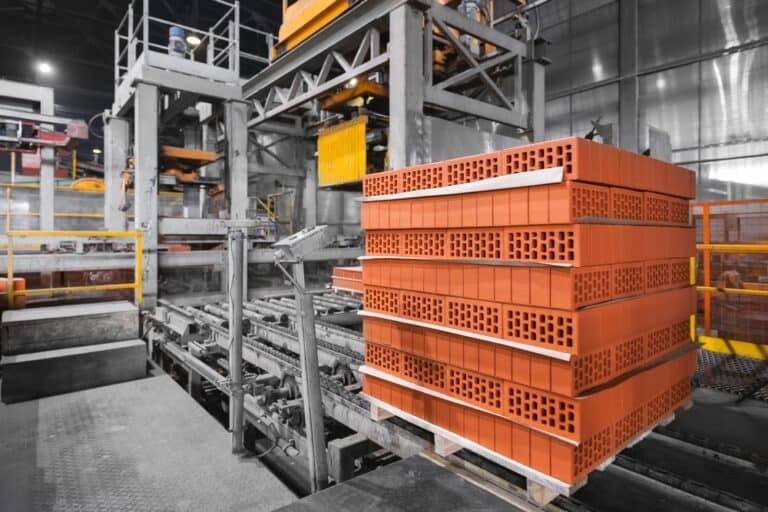



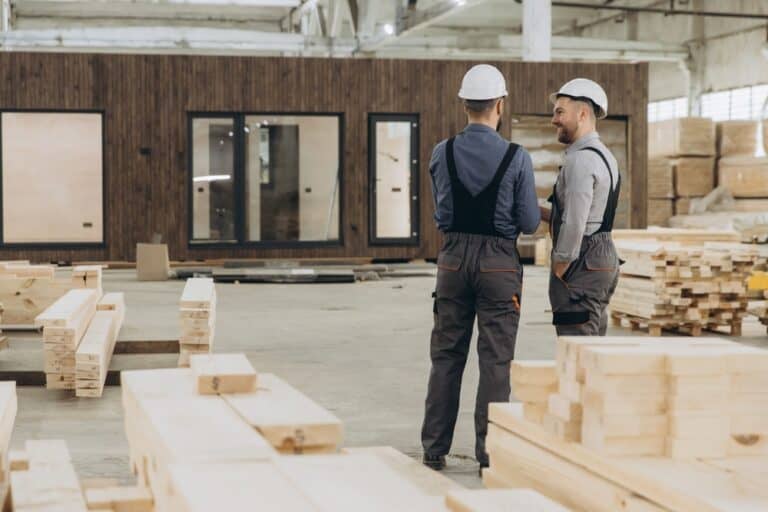

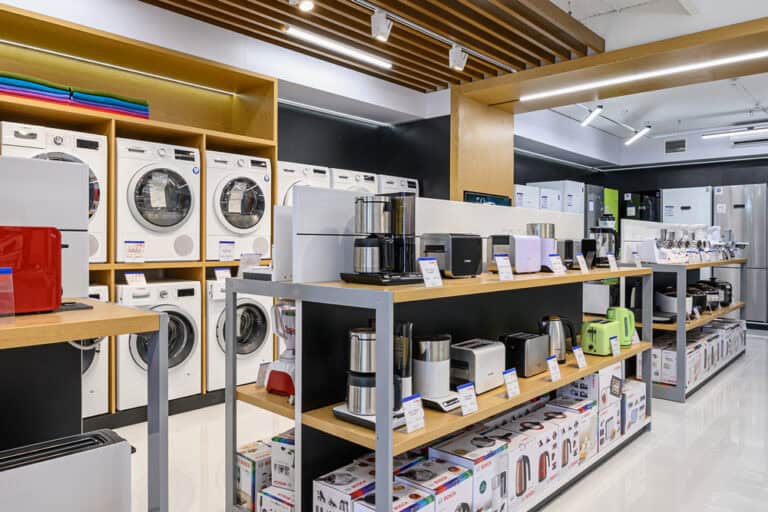


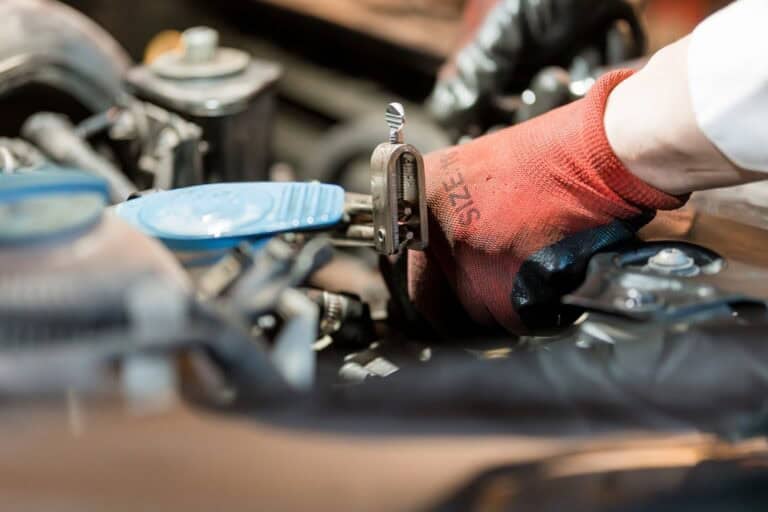
Strict compliance with US ANSI MH16.1-2012(R2019) and EU BS EN 15512:2020+A102022 standards ensures better market reach.
Expedited manufacturing and assembly guarantee your order goes out safely and within your timeframe.
We stay true to our material's dimensions and quality.
Maintaining competitive rates lets you earn more profit and stay within budget.
Our modern facility has workshops equipped with the latest laser cutters, rollers, and punch machines for better efficiency.
Experts conduct a series of tests to check our storage racks' durability, load-bearing, and functionality.
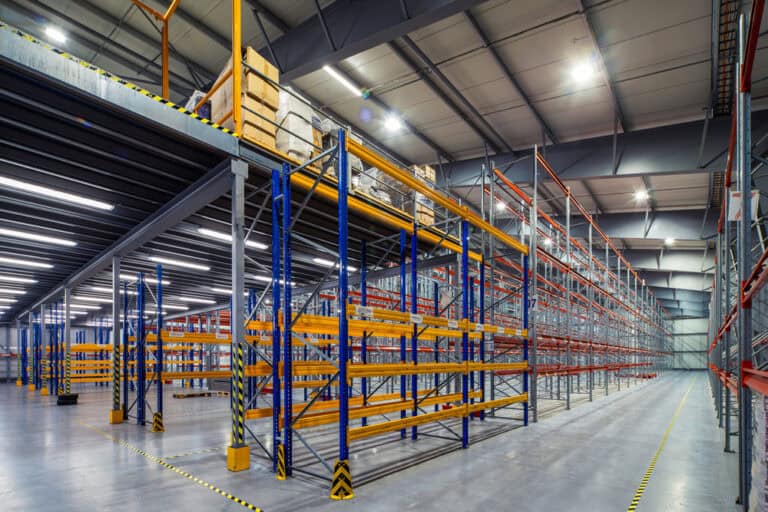
Very Narrow Aisle racking is a high-density, high-bay storage solution that utilizes specialized guided vehicles to operate within aisles typically 1.5 to 1.8 meters wide. It is not merely a racking type, but an integrated system combining tall selective racking, custom material handling equipment, and often warehouse management software to achieve maximum volumetric efficiency.
The system relies on synergy:
1) Infrastructure: Tall, upright selective racking is installed with precise alignment.
2)Equipment: Specialized turret trucks or side-loaders operate within the narrow aisles. These trucks can lift, rotate their forks 180 degrees, and store/retrieve pallets without turning the vehicle.
3) Guidance: Vehicles are often guided by wire, rail, or optical systems to ensure perfect alignment and safety within the tight space.
VNA delivers transformative efficiency:
1) Maximum Cube Utilization: By reducing aisle width by up to 50% and enabling rack heights of 15 meters or more, it dramatically increases storage capacity within the same building footprint.
2) Maintained Selectivity: Unlike other dense systems, it retains 100% direct access to every pallet (like selective racking), supporting high-throughput operations with many SKUs.
3) Enhanced Inventory Accuracy: Integrated technology reduces human error.
No, it is a strategic solution for specific profiles. It is ideal for facilities with: High-volume throughput, a large number of SKUs requiring direct access, standardized pallets and loads, and sufficient capital for investment. It is less suited for small operations, low ceilings, or highly variable, non-standard inventory.
VNA operations absolutely depend on specialized vehicles, primarily turret trucks or articulated very narrow aisle trucks. These machines are uniquely designed to lift loads to great heights, rotate forks within their own chassis width, and travel and place pallets with millimeter precision in confined aisles that standard forklifts cannot enter.
VNA occupies the peak of manual/ semi-automated high-density storage. It offers greater density than standard selective racking while maintaining full selectivity, unlike drive-in/push-back (LIFO). It provides higher flexibility and lower entry cost than fully automated AS/RS, but requires skilled operators. It is the premium choice for businesses needing to maximize both space utilization and access speed without full automation.
Aisle widths range from 1.5 to 1.8 meters, contingent on the truck model and load size. Critical spatial prerequisites include:
1) High, Uniform Ceilings: Minimum clear height of 10-12 meters to justify the system.
2) Extremely Level Floors: Precision is critical for guidance systems and stability.
3) Column-Free Space: Large, unobstructed areas are ideal for efficient layout.
Safety is engineered into the system:
1) Physical Guidance: Rail or wire guidance prevents vehicle contact with racks.
2) Comprehensive Operator Training: Intensive certification on the specific vehicle type is mandatory.
3) Traffic Management: Strict protocols for pedestrian and vehicle separation in the wider main aisles.
4) Rack Protection: Heavy-duty column guards and end-of-aisle protectors are essential.
Load capacities are comparable to heavy-duty selective racking, often 2,000 to 5,000 kg per level. While beams are adjustable, reconfiguration at height is complex and hazardous. Any changes must be planned during downtime and executed by professionals due to the interaction with the fixed guidance paths and high-reach equipment.
Conduct a rigorous feasibility study:
Business Case Analysis: Do you need to radically increase capacity within an existing building? Is your throughput high and SKU count large?
Site Audit: Does your warehouse have the required ceiling height, floor flatness, and column spacing? Can the structure support the weight?
Financial Justification: Can the project demonstrate a strong Retorno de la inversión through real estate savings, increased capacity, and productivity gains to offset the high upfront costs (racks, trucks, guidance, installation)?
Operational Readiness: Are you prepared to invest in specialist operators, training, and a higher level of system maintenance?
The conclusive step is a detailed simulation and design by a VNA systems integrator, who can model costs, throughput, and layout specifics.