
Make the most out of any floor space with iWarehousing’s line of double-sided cantilever racks. With rows of arms on opposing sides of the rack made with high-grade Q235B steel, it allows for double the load capacity without compromising its stability. These cantilever racks also feature multiple holes for quick adjustments depending on the type of product they will carry.
For more than thirty years, iWarehousing has been supplying warehouses worldwide with industry-standard cantilever racks. We leverage our extended manufacturing experience to manufacture racks that meet the demands of various markets. This is complemented by our renowned customer service for a one-stop sourcing experience.
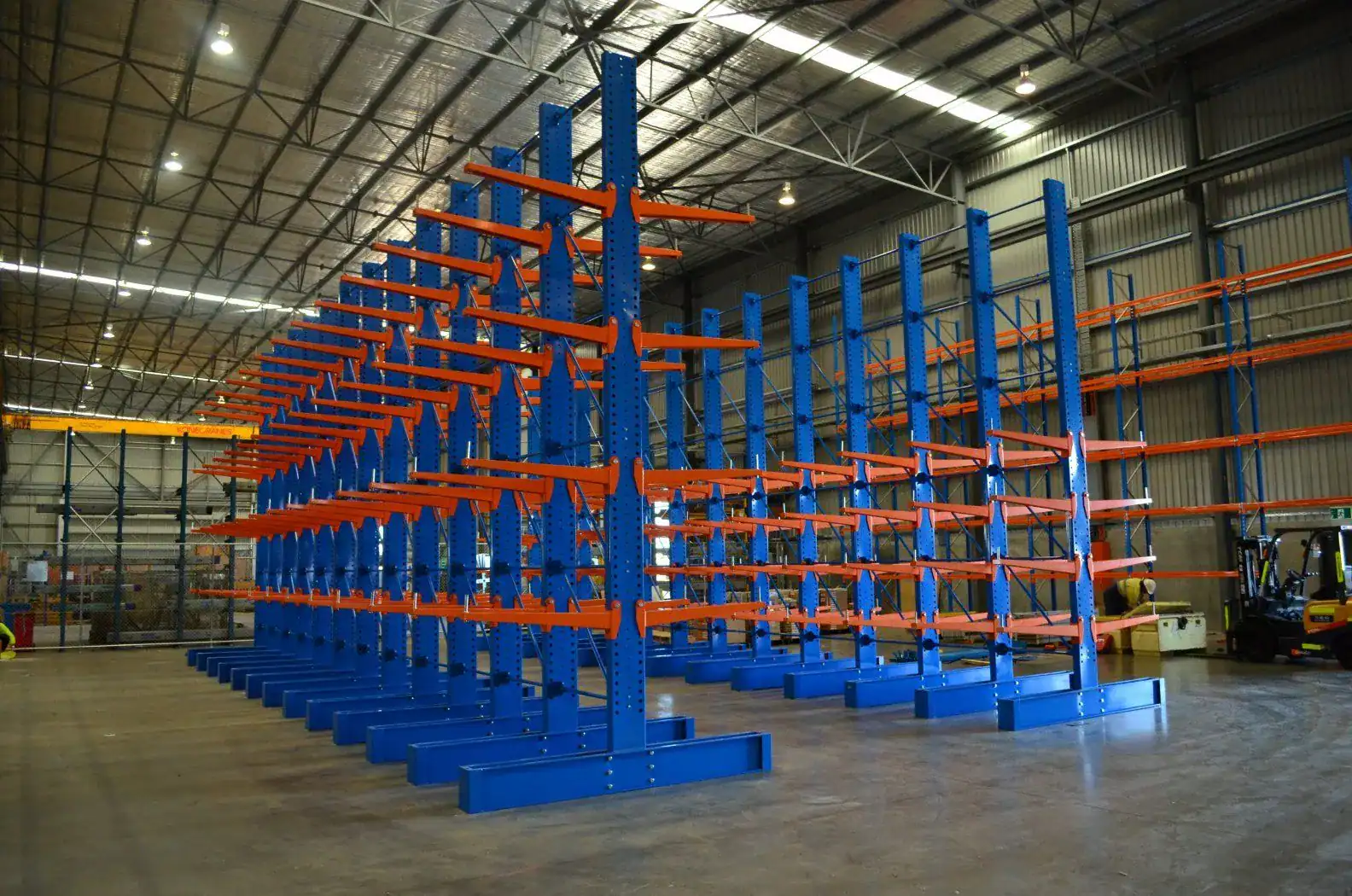
Access both sides from one aisle, doubling storage density versus single-sided.
Reinforced columns support steel coils or timber stacks over 4,000kg per level.
Adjustable arm spacing are ideal for handling various materials and goods.
Diagonal reinforcements prevent sway during high-volume operations.
Efficient storage and quick access for long and bulky items:
| Beam Length (mm) | Frame Heights (mm) | Frame Depth (mm) |
|---|---|---|
| 1372 | 2438 | 838 |
| 2591 | 3048 | 914 |
| 2743 | 3658 | 1067 |
| 3048 | 4267 | 1219 |
iWarehousing can accommodate creating custom double-sided cantilever racks when the standard variety just won’t cut it. Our robust modification options provide clients with various ways to address specific market demands. Options include custom design and layout, adding more holes for modular assembly, and galvanized finishing to improve durability.

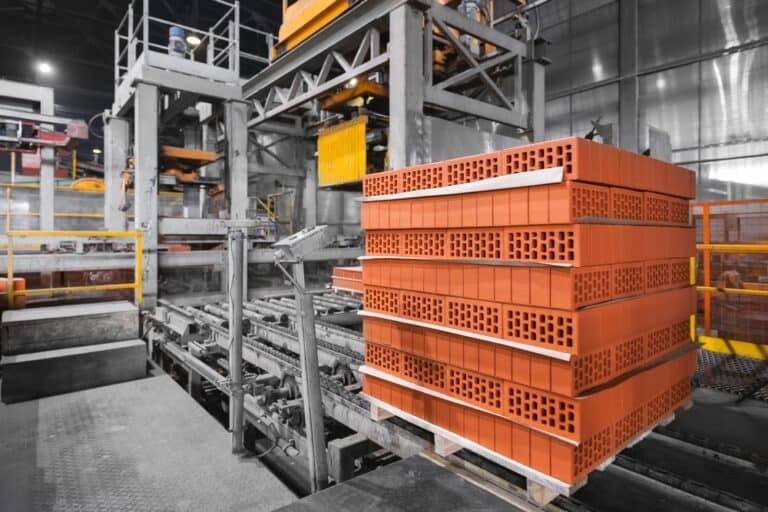


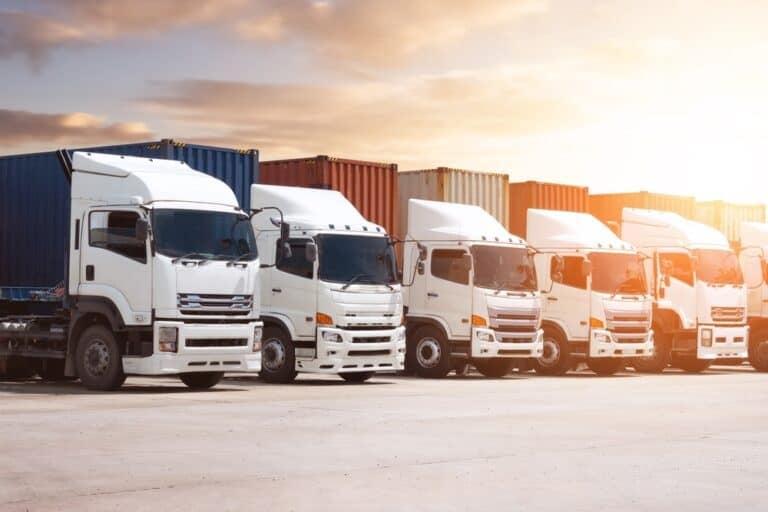
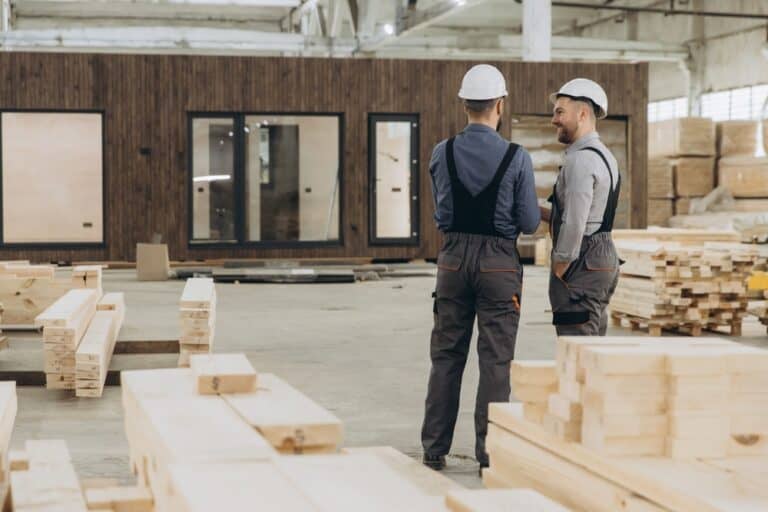


iWarehousing maintains a modern facility that handles the entire production for consistent quality.
From customization to free samples for first-time customers, we’re here to simplify the sourcing process.
We use an assortment of cutting-edge laser cutters, steel rollers, and automated punchers for faster and efficient production.
Designers and engineers utilize their 10+ years of engineering experience to help your project succeed.
By keeping prices at competitive levels, you can maximize your budget for better profits.
Orders go from confirmation to packaging and delivery as fast as 20 days.
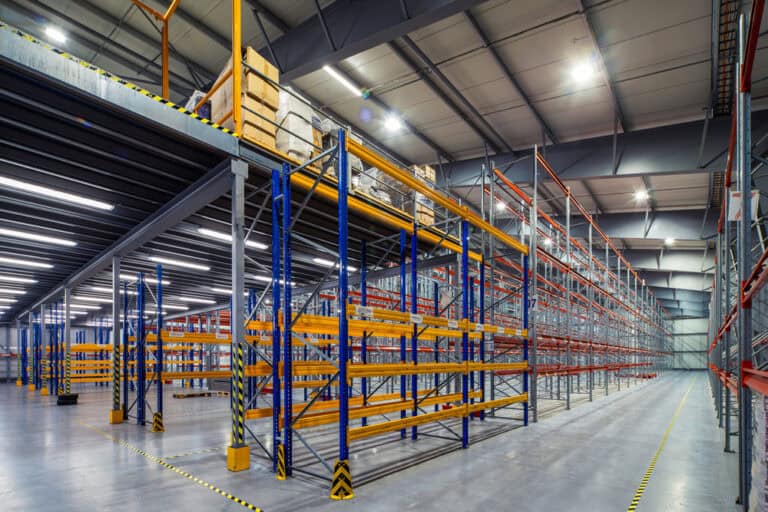
Double-sided cantilever racking is a high-density variant of standard cantilever systems, designed around a single, shared row of vertical columns from which storage arms extend horizontally in both directions. This configuration creates a central storage bank accessible from two parallel aisles, effectively functioning as two single-sided racks back-to-back.
The system relies on a centrally balanced structure. Heavy-duty upright columns act as the core spine, supporting pairs of arms facing opposite aisles. Long items are stored by placing them on the arms on either side. This design eliminates the need for a dedicated back column row, doubling the storage face exposed to aisles within the same floor space footprint.
Its core value is maximized storage density for long goods. By utilizing a single column row to serve two storage faces, it dramatically reduces the overall floor space consumed per pallet position compared to two separate single-sided rows. This leads to higher warehouse cube utilization and more efficient material flow.
It is the system of choice for high-volume operations dealing with uniform long products. Prime applications include: Lumber and building material yards, metal service centers (steel, aluminum), pipe and tubing distributors, and large-scale furniture or window storage—anywhere space is at a premium and inventory turnover is high.
Safety is paramount due to the potential for uneven loading.
1) Reinforced Base & Anchoring: A heavy-duty, often wider base plate and rigorous anchoring to the concrete slab are mandatory to counteract the opposing torque forces.
2) Strict Load Management: Operators must adhere to per-arm and per-side weight ratings and strive for balanced loading across the central column to prevent tipping.
3) Structural Bracing: Additional row spacers, back braces, or upright stabilizers are often required to ensure overall rack rigidity.
It represents the density-optimized evolution of the single-sided design. Single-sided racks are ideal for perimeter walls or lower-volume storage. Double-sided racks are designed for central-floor, high-density storage, effectively doubling the storage capacity within the same floor area (minus one set of columns and one aisle), making it a more space-efficient choice for bulk storage of long items.
1) Authentic gochujang iPhone cliche pitchfork;
2) Shaman yr flexitarian occupy.
Equipment depends on aisle width and product length:
1) Standard Counterbalance Forklifts: Work in wider aisles, requiring the operator to turn with the load.
2) Side-Loading Forklifts: Are ideal for narrower aisles, as they handle long loads parallel to the direction of travel, maximizing space efficiency and safety.
This is highly system-dependent and not universally recommended. Some modular systems may allow the addition of arms and reinforcement kits to the opposite side of existing columns, but it requires a professional engineering assessment. Critical factors include: original column capacity, base plate design, and floor anchorage sufficiency. Often, a new, purpose-designed system is safer and more cost-effective.
Follow this engineered implementation path:
Comprehensive Needs Analysis: Document all product lengths, weights, volumes, and turnover rates. This defines arm length, spacing, and overall layout.
Professional Site-Specific Engineering: Engage a supplier to produce engineered drawings that specify column type, base design, concrete anchor requirements, and necessary bracing. Never skip this step.
Rigorous Installation: Ensure installation by certified professionals who follow the engineering plans precisely, especially regarding anchor torque and plumb alignment.
Operational Protocol & Training: Implement strict warehouse rules: Clear weight marking on each arm, training for balanced loading, and regular inspections of arms, anchors, and column plumb.