
Storing and managing heavy or oddly shaped products can be a challenge for most warehouses. But with heavy-duty cantilever racks from iWarehousing, storage management has never been more accessible. Designed specifically for handling heavy loads, these cantilever racks can hold practically any type of product, no matter the size, shape, or weight.
Moreover, iWarehousing’s design and manufacturing expertise can create modular heavy-duty cantilever racks, allowing for easy adjustment to match the warehouse’s needs. They can even be finished with a galvanized coating to improve rust and corrosion resistance, making them usable even outdoors.
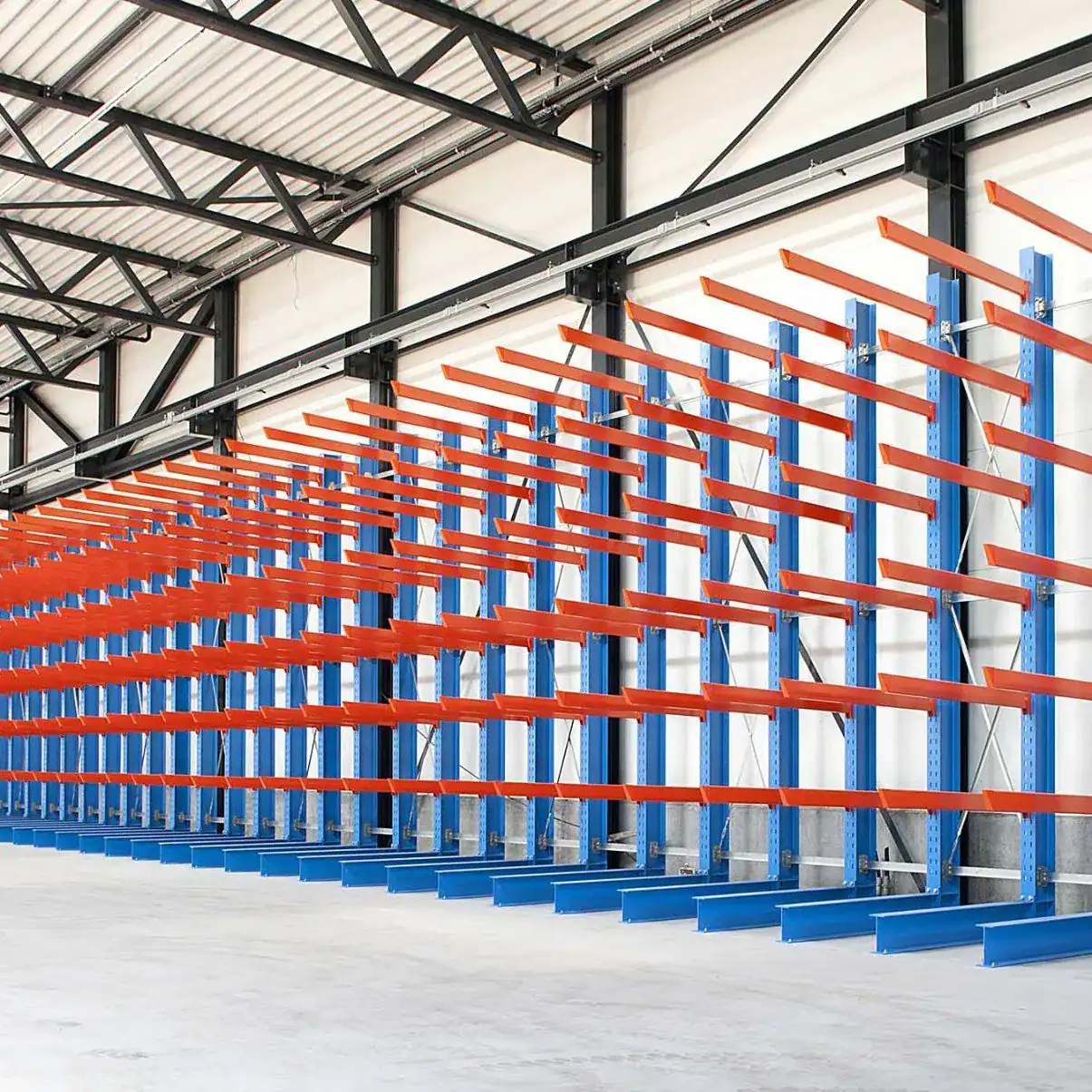
Our heavy-duty cantilever rack systems can carry up to 1-1.5 tons thanks to their strong uprights, arms, and braces.
The powder and zinc coating resists coastal salt spray, industrial corrosion, and extreme temperatures.
Thanks to their modular design, our heavy-duty cantilever racks can be easily adjusted according to your needs.
Open top structure enables direct overhead lifting via gantry or bridge cranes.
Heavy gauge anchor plates and cross bracing withstand seismic forces and uneven terrain.
Galvanized components and bolt free connections reduce upkeep in harsh environments.
Engineered for extreme industrial environments handling oversized loads with crane access durability. Our heavy duty cantilever rack systems are ideal for:
| Beam Length (mm) | Frame Heights (mm) | Frame Depth (mm) |
|---|---|---|
| 1372 | 2438 | 838 |
| 2591 | 3048 | 914 |
| 2743 | 3658 | 1067 |
| 3048 | 4267 | 1219 |
Whether looking into offering bespoke warehouse storage systems or opting to deliver industry-specific solutions, iWarehousing has your needs covered. Our robust customization capabilities allow for complete modification of existing products and let you create distinct heavy-duty cantilever racks. Adjust the cantilever rack’s design layout, dictate the number of holes in each rack, and even choose the type of finish to use.

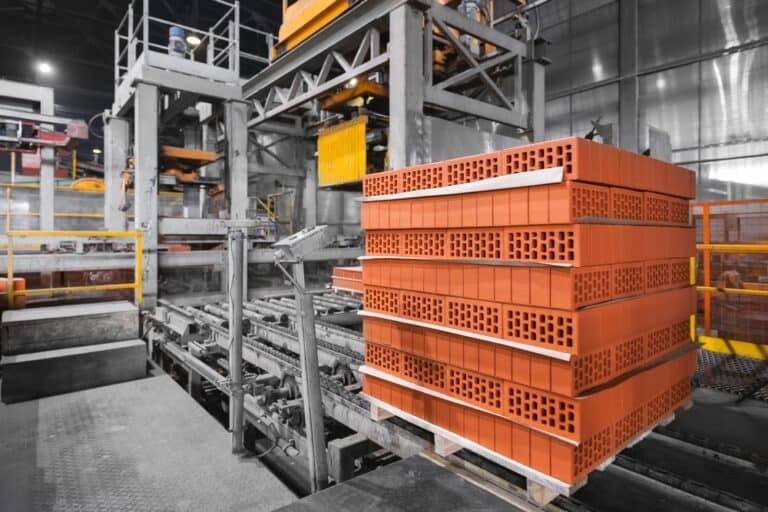









Our longstanding manufacturing expertise ensures you’re getting the best cantilever racks in the market.
Workshops are fully equipped with the latest manufacturing tools for fast and efficient production.
All heavy-duty cantilever racks pass US ANSI MH16.1-2012(R2019) and EU BS EN 15512:2020+A102022 standards.
We implement high-quality benchmarks in our manufacturing and testing processes for guaranteed performance and reliability.
Customization isn’t limited to manufacturing – we can also modify payment plans according to your situation.
Get prompt responses to all your concerns and inquiries within 24 hours upon receipt.
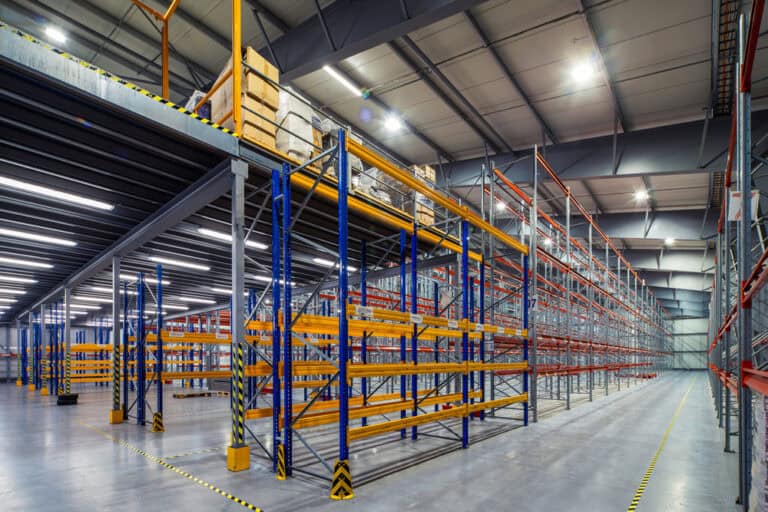
Heavy duty cantilever racking is an engineered, industrial-grade storage system specifically designed to safely support exceptionally heavy, dense, and long loads that exceed the capacity of standard cantilever racks. It is the definitive solution for storing materials like steel coils, massive timber beams, concrete panels, and large-diameter industrial piping.
The difference lies in every component’s scale and reinforcement. It features:
1) Larger Column Profiles: Made from high-strength steel with thicker gauges to resist bending.
2) Reinforced Arms: Utilizes box-beam or specially braced arm designs for greater load-bearing capacity and rigidity.
3) Heavy-Duty Base & Anchoring: Designed with larger base plates and high-grade anchors to transfer immense loads securely into the concrete slab.
Load capacity is fully custom-engineered. While individual arms can be rated from 2,000 lbs to over 10,000 lbs, the system capacity is a holistic calculation that considers arm strength, column upright capacity, base plate design, and floor slab rating. Each project requires a professional structural analysis to determine safe working loads.
Yes, and it is often specified for such conditions. Systems intended for outdoor use, washdown areas, or corrosive environments are typically fabricated from hot-dip galvanized steel or coated with industrial-grade powder coatings to provide maximum protection against rust and weathering, ensuring long-term structural integrity.
Safety is engineered from the ground up:
1) Reinforced Concrete Floor: A structural-grade concrete slab of specified thickness and compressive strength is mandatory.
2) Professional Anchoring: Must be anchored with high-strength, torque-controlled chemical or mechanical anchors as per engineer specifications.
3) Load Management: Strict adherence to posted load ratings and balanced loading is critical to prevent column tipping or failure.
Yes, double-sided configuration is highly effective for maximizing density in heavy materials storage. It creates a central, high-density block accessible from two sides. However, this design intensifies the engineering requirements for column load capacity, base stability, and balanced loading protocols, making professional design even more critical.
Handling equipment must match the system’s capacity: 1) High-Capacity Side-Loaders: Ideal for long, heavy items in narrow aisles. 2) Large Capacity Forklifts with Long Forks: For wider aisles. 3) Overhead Cranes: Often used in conjunction with racks in heavy fabrication shops. The equipment’s capacity, fork length, and turning radius directly influence aisle width and layout design.
This is a multi-stage engineering project, not a simple purchase:
Load Audit & Specification: Precisely document maximum item weight, dimensions, center of gravity, and storage quantities. This is the foundation of all design.
Site & Floor Analysis: Conduct a professional assessment of the concrete floor’s capacity (thickness, PSI, rebar). This often dictates system feasibility and anchoring方案.
Professional Engineering Design: Engage a supplier with in-house engineering to produce site-specific, stamped engineering drawings. These will detail column size, arm design, base plates, anchor type/location, and any required bracing.
Certified Installation & Inspection: Installation must be performed by experienced crews following the engineered plans, with post-installation anchor pull-testing and plumb/alignment verification.
Operational Protocol: Implement rigorous training on load distribution, weight limits, and inspection schedules. Consider load signage and operational checklists.