
Explore iWarehousing’s line of cantilever racking solutions ideal for safely storing long and bulky products. With over three decades of design, production, and assembly experience, we produce various cantilever racks for indoor and outdoor use.
We manufacture cantilever racks using top-grade Q235B steel and finish them with galvanized surface treatment, making them highly resistant to corrosion and rust. These are then meticulously inspected and tested to ensure they meet global standards.
Whether looking to bolster your inventory with diverse cantilever racks or wanting to offer tailor-fit storage solutions, iWarehousing is here to help. Our robust customization options open the door to fabricating modular cantilever racks according to your specifications. Moreover, custom designs are available in three days, with free samples available for first-time customers.

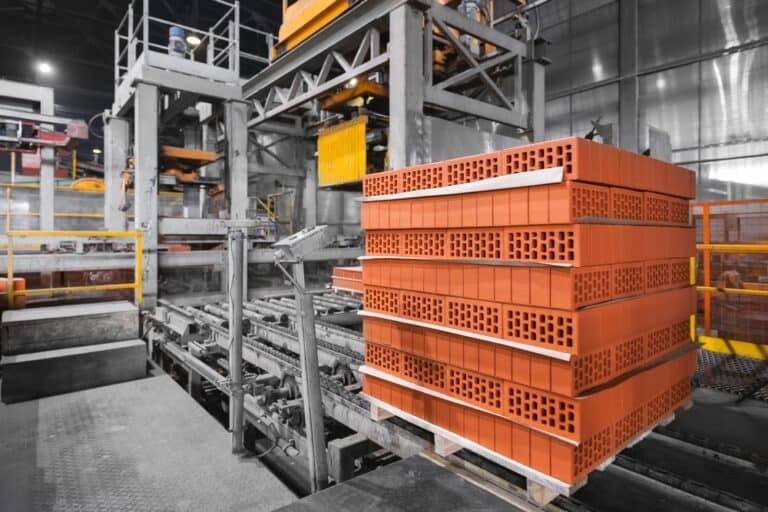


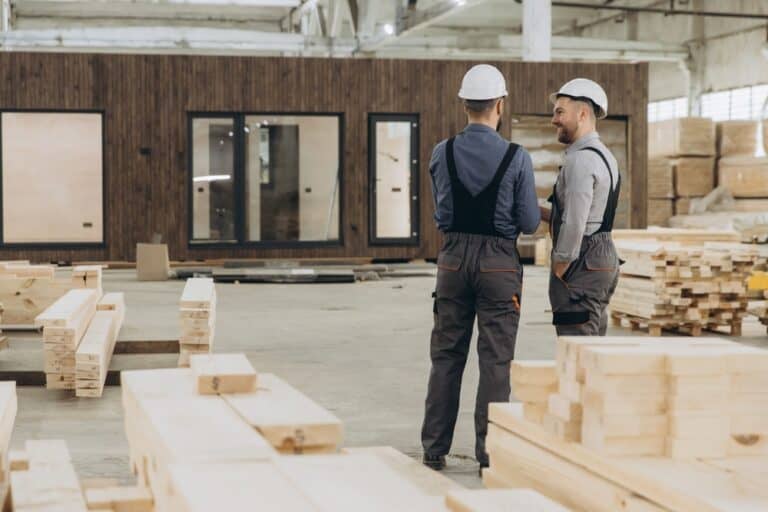


With production done entirely in-house, you can be confident in their quality and consistency.
Keen attention to detail and routine testing guarantee the stability and capabilities of our cantilever racks.
Keeping prices at a competitive level ensures you can maximize your available budget.
We’re more than a manufacturer; we also offer a range of services to streamline your sourcing experience.
Heavy investment in the latest laser cutters, steel rollers, and automatic punchers improves production efficiency.
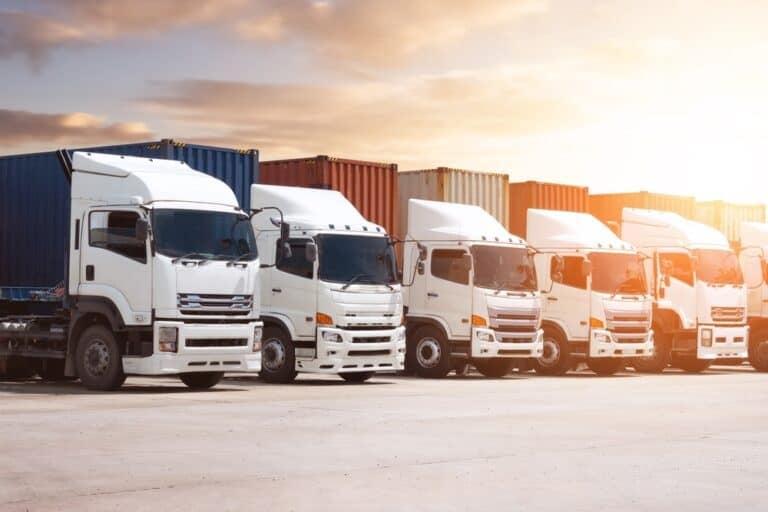
All outgoing cantilever racks are properly packaged to prevent damage while in transit.
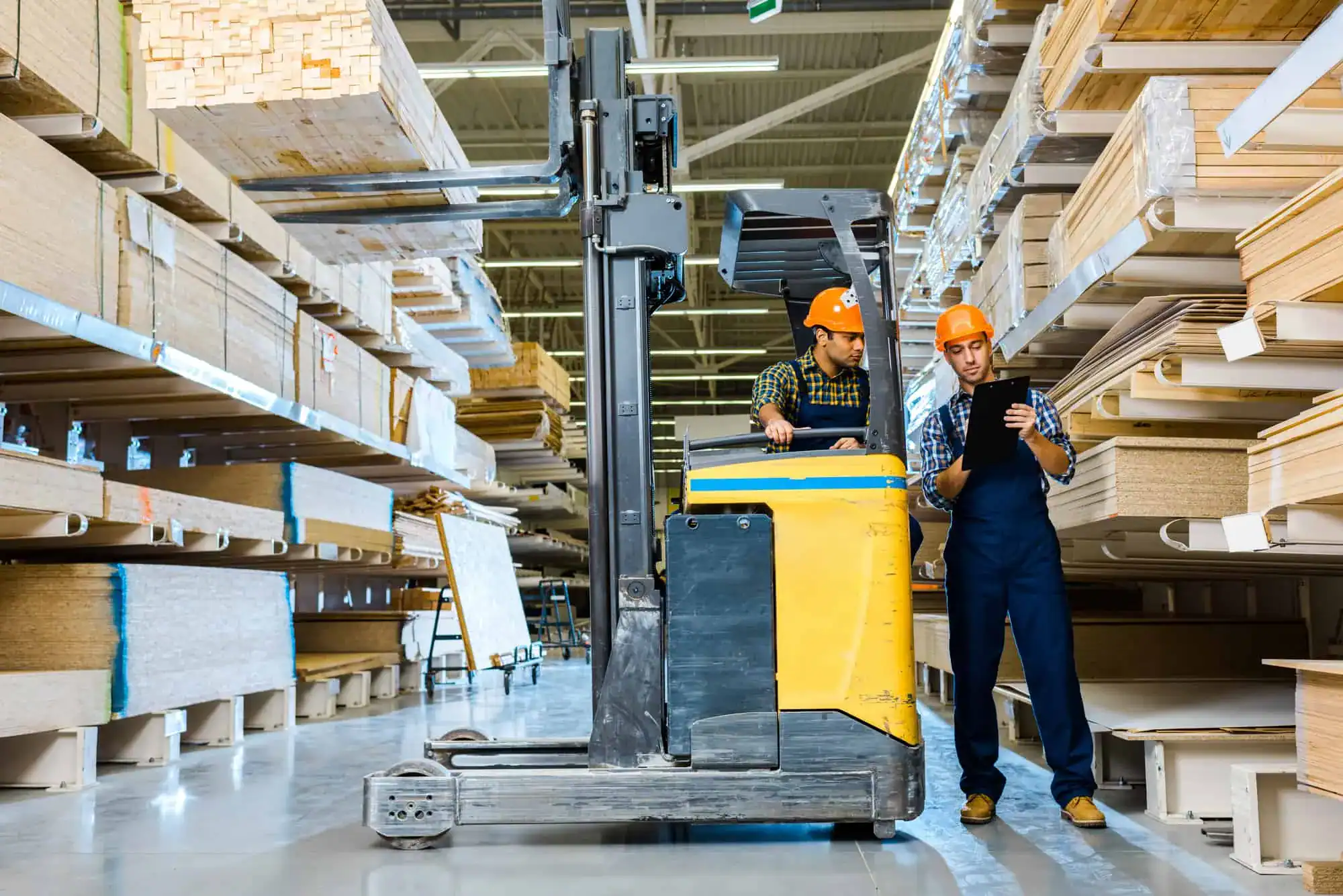
Cantilever racking is a specialized storage system designed for long, bulky, or irregularly shaped items that cannot be efficiently stored on standard pallet racking. Its signature design features horizontal arms that cantilever (extend out) from vertical support columns, creating a completely obstruction-free front access to the full length of the stored material.
The system is built around heavy-duty vertical columns, to which adjustable horizontal arms are securely attached at various heights. Items like pipes, timber, or furniture are placed directly onto these arms, spanning the gap between columns. This design eliminates front posts, allowing items to be loaded and unloaded from the side with forklifts or cranes without any interference.
It provides unmatched benefits for specific storage challenges: 1) Unobstructed Accessibility: Full front and side access simplifies handling of long items. 2) Exceptional Flexibility: Arm height and spacing are easily adjusted to accommodate items of varying lengths and diameters. 3) Space Optimization for Non-Palletized Goods: Maximizes storage density for items that would otherwise waste space in wide bays or lie on the floor.
It is the ideal solution for a wide range of long, heavy, or awkward-shaped inventory, including: Steel and PVC pipes, lumber and timber, metal profiles and bars, plastic extrusions, sheet materials (drywall, glass, panels), furniture, and carpets.
Safety is engineered into its design when professionally installed and correctly loaded. Key safety features include:
1) Robust Anchoring: Columns are securely anchored to concrete floors to resist tipping.
2) Load Capacity Compliance: Each arm has a clear rated capacity; never exceed it.
3) Stability Features: Many systems include back braces, arm ties, or upright stabilizers to manage seismic and dynamic loads.
4) Arm Stoppers: Prevent stored items from sliding off the arm ends.
For long items, cantilever racking is vastly superior. Pallet racking requires items to be placed across beams, where front columns obstruct access and limit length. Cantilever racking stores items parallel to the aisle, offering full-length access and greater flexibility. It is a purpose-built solution versus a workaround.
Yes, this adds to its versatility. Single-sided (wall-mounted) cantilever racks are ideal for utilizing perimeter wall space. Double-sided (free-standing) cantilever racks create a storage bank accessible from both sides, effectively doubling storage face within the same aisle.
Extensive customization is its hallmark. Critical parameters are tailored to your exact needs: Arm length (to accommodate item length), vertical spacing (to match item height), and weight capacity (based on the density of your inventory). A professional design is crucial to balance these factors.
It is highly space-efficient for its intended purpose. While aisles must be wide enough for the handling equipment (forklift + load), the system itself stores long items with minimal wasted vertical or horizontal space compared to floor stacking or inappropriate racking. The density gain is in organized, accessible, and safe vertical storage.
Follow this engineered approach:
Item Specification: Document the dimensions (length, diameter), weight, and quantity of every item type to be stored.
Load & Layout Planning: Determine the required arm lengths, load per arm, and total bay load. Decide on a single-sided or double-sided layout based on your space.
Professional Design & Anchoring: Engage a supplier to provide engineered drawings that specify column bases, concrete anchor requirements, and bracing. Proper anchoring to a suitable concrete slab is non-negotiable for safety.
Operational Discipline: Implement strict rules for even load distribution (never overload one side of a column) and never exceeding posted arm capacities. Training for forklift operators on proper loading techniques is essential.